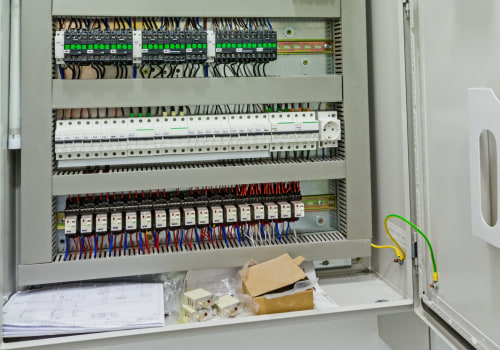
In the realm of industrial operations, industrial panels play a crucial role in managing and distributing electrical power. These panels serve as the central hub for controlling various electrical systems, ensuring that machinery and equipment operate efficiently and safely. Understanding the fundamentals of industrial panel installation is essential for any facility looking to optimize its electrical infrastructure. From manufacturing plants to large-scale warehouses, the right panel can significantly enhance operational efficiency. There are several types of industrial panels, each designed to meet specific needs and applications.
For instance, control panels are used to manage machinery operations, while distribution panels focus on distributing power across different circuits. The choice of panel depends on factors such as the scale of operations, the complexity of electrical systems, and safety requirements. Knowing these distinctions is vital for making informed decisions during installation. The installation process itself involves careful planning and execution to ensure compliance with safety standards and regulations. Proper installation not only guarantees functionality but also lays the groundwork for potential upgrades or expansions in the future.
As industries evolve and technology advances, the ability to adapt existing systems becomes increasingly important. This adaptability is a key consideration when planning an industrial panel installation, as it can save time and resources in the long run.
The Importance of Upgrading Industrial Panels
Upgrading industrial panels is not just a matter of keeping up with technology; it is a crucial step towards enhancing efficiency, ensuring safety, and maintaining compliance with evolving regulations. As industries grow and technology advances, the need for more sophisticated control systems becomes apparent. Here are some key reasons why upgrading industrial panels is essential:- Improved Efficiency: Modern industrial panels are designed to optimize energy consumption and streamline operations.
Upgrading can lead to significant reductions in operational costs by minimizing energy waste and improving process control.
- Enhanced Safety: Older panels may lack the necessary safety features to protect workers and equipment. Upgrading to newer models can incorporate advanced safety protocols, reducing the risk of accidents and ensuring a safer working environment.
- Regulatory Compliance: As regulations become stricter, older panels may not meet current standards. Upgrading ensures compliance with local and national regulations, avoiding potential fines and legal issues.
- Increased Reliability: Newer industrial panels are built with advanced technology that enhances reliability. This reduces downtime caused by equipment failure, leading to more consistent production schedules.
- Scalability: Upgrading allows for easier expansion in the future.
Modern panels can be designed to accommodate additional components or systems, making it simpler to scale operations as business needs change.
Can Existing Industrial Panels Be Upgraded?
Upgrading existing industrial panels during installation is a common consideration for many facilities looking to enhance their operational efficiency. However, the feasibility of panel upgrades depends on several technical factors that must be carefully evaluated.First and foremost, it is essential to assess the current infrastructure of the existing panels.This includes examining the panel's age, condition, and compatibility with newer technologies. Older panels may not support modern components or software, which can limit upgrade options.
Technical Considerations
- Electrical Compatibility: Ensure that the existing electrical systems can handle the increased load or new functionalities that come with upgraded panels.
- Space Constraints: Evaluate whether there is sufficient physical space within the installation area to accommodate additional components or larger panels.
- Regulatory Compliance: Check if any upgrades will meet current industry standards and regulations, as non-compliance can lead to significant issues.
They can help identify specific limitations and recommend solutions tailored to your facility's needs.In conclusion, while upgrading existing industrial panels is often possible, it requires careful consideration of technical factors, costs, and compliance issues. By addressing these elements, facilities can make informed decisions that enhance their operational capabilities.
Factors to Consider Before Upgrading or Expanding Industrial Panels
When considering an upgrade or expansion of an industrial panel installation, several critical factors must be evaluated to ensure a successful outcome. These factors can significantly influence the efficiency, safety, and overall functionality of the system.Compatibility with Existing Systems
One of the foremost considerations is the compatibility of new components with existing systems. Upgrading an industrial panel often involves integrating new technology or equipment.It is essential to assess whether the current infrastructure can support these additions without compromising performance. This includes evaluating:
- Electrical specifications: Ensure that voltage, current ratings, and phase requirements align.
- Physical dimensions: Check if the new panels will fit within the existing space.
- Communication protocols: Confirm that any new devices can communicate effectively with existing systems.
Cost Implications
The financial aspect of upgrading or expanding industrial panels cannot be overlooked. A thorough cost analysis should include:- Initial investment: Calculate the costs of new equipment, installation, and any necessary modifications.
- Long-term savings: Consider potential energy savings and increased efficiency that may offset initial costs.
- Maintenance expenses: Evaluate how upgrades might affect ongoing maintenance and operational costs.
Regulatory Compliance
Upgrades to industrial panels must also adhere to local, state, and federal regulations. This includes:- Safety standards: Ensure that all upgrades meet OSHA and NFPA guidelines to maintain workplace safety.
- Environmental regulations: Verify compliance with environmental laws regarding emissions and waste management.
- Coding requirements: Check if any changes necessitate updates to building codes or electrical codes.
By addressing these factors upfront, businesses can enhance their operational efficiency while ensuring compliance and safety in their facilities.
Steps to Upgrade or Expand an Existing Industrial Panel
Upgrading or expanding an existing industrial panel during installation can enhance functionality and efficiency. Here’s a step-by-step guide to help you through the process:- Assess Current System: Begin by evaluating the existing panel's specifications, including its capacity, components, and layout. Identify any limitations that may hinder expansion.
- Define Upgrade Goals: Clearly outline what you aim to achieve with the upgrade. This could include adding new circuits, improving energy efficiency, or integrating advanced technology.
- Consult with Experts: Engage with electrical engineers or panel manufacturers who can provide insights on compatibility and best practices for your specific needs.
- Select Components: Choose appropriate components that align with your upgrade goals.
Ensure that new parts are compatible with existing systems to avoid operational issues.
- Create a Detailed Plan: Develop a comprehensive installation plan that includes timelines, required tools, and safety protocols. This will help streamline the upgrade process.
- Power Down and Prepare: Before beginning the installation, ensure that all power sources are turned off. This is crucial for safety during the upgrade.
- Install New Components: Carefully install the new components according to the manufacturer’s instructions. Pay attention to wiring and connections to maintain system integrity.
- Test Functionality: After installation, conduct thorough testing to ensure that all components are functioning correctly.
Check for any issues such as overheating or circuit failures.
- Document Changes: Keep detailed records of the upgrades made, including schematics and component specifications. This documentation will be valuable for future maintenance or further expansions.
Common Challenges in Upgrading Industrial Panels
Upgrading an industrial panel can present a variety of challenges that may complicate the installation process. Understanding these challenges is crucial for ensuring a smooth transition and minimizing downtime.Compatibility Issues
One of the primary challenges in upgrading an industrial panel is ensuring compatibility with existing systems. Older panels may not support newer technologies or components, leading to potential integration issues.It’s essential to conduct a thorough assessment of the current system and identify any components that may need replacement or modification.
Regulatory Compliance
Another significant hurdle is adhering to regulatory standards. Industrial panels must comply with local, state, and federal regulations, which can change over time. Upgrading a panel without considering these regulations can result in costly fines or the need for additional modifications. Consulting with a compliance expert during the planning phase can help mitigate this risk.Downtime and Production Impact
Minimizing downtime during the upgrade process is critical for maintaining productivity.Planning the installation during off-peak hours or scheduling it in phases can help reduce the impact on operations. Additionally, having a contingency plan in place for unexpected delays can further safeguard against production losses.
Technical Expertise
The complexity of modern industrial panels often requires specialized knowledge for installation and troubleshooting. If the existing team lacks experience with new technologies, it may be necessary to hire external experts or provide additional training to current staff. This investment in expertise can pay off by ensuring a more efficient upgrade process.Testing and Validation
After installation, thorough testing is essential to ensure that the upgraded panel functions as intended.This includes validating all connections, checking for software compatibility, and running diagnostic tests. Failing to conduct comprehensive testing can lead to operational issues down the line.By anticipating these common challenges and preparing accordingly, businesses can navigate the complexities of industrial panel installation upgrades more effectively, ensuring a successful outcome that enhances operational efficiency.
FAQs About Industrial Panel Installation and Upgrades
When considering industrial panel installation, many users have questions about the potential for upgrades or expansions. Here are some frequently asked questions that can help clarify these concerns:- Can an existing industrial panel be upgraded? Yes, existing industrial panels can often be upgraded. This may involve adding new components, enhancing software capabilities, or integrating advanced technologies to improve efficiency and functionality.
- What types of upgrades are commonly performed? Common upgrades include:
- Adding more circuits to accommodate increased load requirements.
- Integrating smart technology for better monitoring and control.
- Replacing outdated components with newer, more efficient alternatives.
- Is it possible to expand an industrial panel during installation? Yes, expansion is feasible during the initial installation phase.
Planning for future growth can save time and resources later on. It’s advisable to consult with a qualified technician to ensure that the panel is designed with expansion in mind.
- What factors should be considered before upgrading? Before proceeding with an upgrade, consider:
- The current load capacity and future needs.
- The compatibility of new components with existing systems.
- The potential downtime during the upgrade process.
- Are there any regulations to follow during upgrades? Yes, all upgrades must comply with local electrical codes and safety regulations. It’s essential to work with licensed professionals who understand these requirements.
Conclusion: Making Informed Decisions on Industrial Panel Upgrades
In conclusion, the decision to upgrade or expand an existing industrial panel installation is not one to be taken lightly.Throughout this article, we have explored various factors that influence the feasibility and benefits of such upgrades. Understanding these elements is crucial for making informed choices that align with your operational needs and future growth plans.First and foremost, it is essential to assess the current capabilities of your existing panel. This includes evaluating its capacity, functionality, and compliance with current industry standards. An upgrade may enhance efficiency, improve safety, and reduce operational costs, but only if the existing infrastructure can support these enhancements.Moreover, consulting with experienced professionals during the planning phase can provide valuable insights into potential challenges and solutions.
They can help identify whether a simple upgrade is sufficient or if a more extensive expansion is necessary to meet your evolving requirements.
- Cost Considerations: Weighing the financial implications of an upgrade versus a complete overhaul is vital. Sometimes, investing in a new system may be more cost-effective in the long run.
- Future-Proofing: Consider how your needs may change over time. An upgrade should not only address current demands but also anticipate future growth.
- Regulatory Compliance: Ensure that any modifications comply with local regulations and industry standards to avoid potential legal issues.