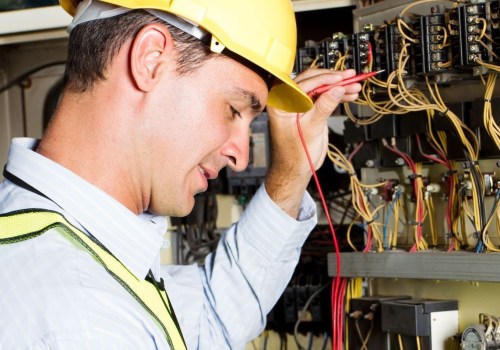
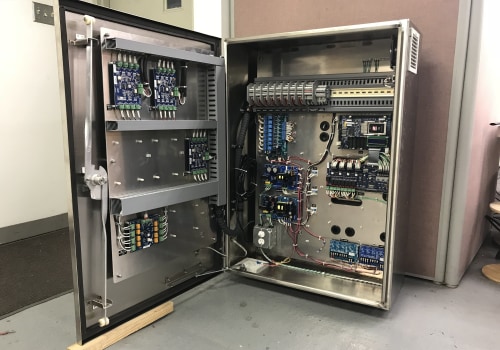
The process of industrial panel installation plays a crucial role in the efficiency and safety of various industrial operations. These panels, which can include electrical, control, and structural components, are designed to meet the specific needs of different industries, from manufacturing to energy production. Understanding the intricacies of industrial panel installation is essential for ensuring that these systems function optimally and comply with industry standards. During the installation process, careful consideration must be given to factors such as panel placement, wiring configurations, and environmental conditions. Each of these elements can significantly impact the performance and longevity of the panels.
For instance, improper installation can lead to electrical failures or safety hazards, making it imperative for professionals to adhere to best practices and guidelines throughout the installation. Moreover, the significance of industrial panels extends beyond their initial setup. They serve as the backbone of many industrial systems, facilitating communication, control, and power distribution. As such, understanding their installation not only highlights their importance but also sets the stage for discussing ongoing maintenance requirements that ensure their continued effectiveness and reliability in demanding environments.
Importance of Maintenance for Industrial Panels
Maintaining industrial panels is not just a matter of routine; it is a critical aspect of ensuring their efficiency, safety, and longevity. Regular upkeep can significantly impact the overall performance of your industrial systems, making it essential to understand the importance of maintenance.Safety First
One of the primary reasons for maintaining industrial panels is to ensure safety.
Over time, components can wear out or become damaged, leading to potential hazards such as electrical fires or equipment failures. Regular inspections and maintenance help identify these issues before they escalate, protecting both personnel and equipment.
Efficiency and Performance
Industrial panels are designed to operate at optimal efficiency. However, dust accumulation, loose connections, and other factors can hinder their performance. By implementing a maintenance schedule, you can ensure that all components are functioning correctly, which in turn maximizes energy efficiency and reduces operational costs.
Longevity of Equipment
Investing in regular maintenance extends the lifespan of your industrial panels.
Just like any other machinery, neglecting upkeep can lead to premature wear and tear. By addressing minor issues promptly, you can avoid costly repairs or replacements down the line.
Benefits of Maintenance
- Cost Savings: Preventative maintenance can save money by reducing the likelihood of major repairs.
- Compliance: Regular maintenance helps ensure compliance with safety regulations and industry standards.
- Improved Reliability: Well-maintained panels are less likely to fail unexpectedly, leading to smoother operations.
Common Maintenance Requirements After Installation
After the industrial panel installation is complete, it is crucial to implement a routine maintenance schedule to ensure optimal performance and longevity.Here are some common maintenance requirements that should be considered:
- Regular Inspections: Conduct thorough inspections at least once every six months. Look for signs of wear, corrosion, or damage. Pay special attention to connections and seals, as these areas are prone to issues.
- Cleaning: Dust and debris can accumulate on industrial panels, affecting their efficiency. Use a soft cloth or a gentle brush to clean the surfaces.
For more stubborn grime, a mild detergent mixed with water can be used, but avoid harsh chemicals that may damage the panel.
- Electrical Checks: Ensure that all electrical connections are secure and free from corrosion. This includes checking circuit breakers and fuses associated with the panels. Any signs of overheating or unusual smells should be addressed immediately.
- Performance Monitoring: Keep track of the performance metrics of your industrial panels. If you notice a drop in efficiency, it may indicate a need for maintenance or repairs.
- Repairs: Address any issues promptly.
Whether it’s replacing damaged components or resealing joints, timely repairs can prevent more significant problems down the line.
Frequency of Maintenance Checks
To ensure the longevity and efficiency of industrial panels, establishing a regular maintenance check schedule is crucial. The frequency of these checks can vary based on several factors, including the type of panel, its usage, and the environment in which it operates.General Maintenance Frequency
- Monthly Inspections: For panels that are heavily utilized or exposed to harsh conditions, a monthly inspection is recommended. This allows for early detection of any potential issues, such as wear and tear or environmental damage.
- Quarterly Checks: For standard operational environments, conducting maintenance checks every three months is typically sufficient.
This schedule helps in monitoring performance and ensuring that all components are functioning correctly.
- Annual Reviews: An in-depth annual review should be performed to assess the overall condition of the panels. This includes checking for compliance with safety standards and making necessary adjustments or repairs.
Creating an Inspection Schedule
When developing an inspection schedule for industrial panel installation, consider the following:
- Manufacturer Recommendations: Always refer to the manufacturer's guidelines for specific maintenance intervals tailored to the panel type.
- Operational Demands: Evaluate how often the panels are used and under what conditions. Increased usage may necessitate more frequent checks.
- Environmental Factors: Panels located in extreme temperatures, high humidity, or dusty environments may require more regular inspections to prevent damage.
Signs That Your Industrial Panels Need Maintenance
Maintaining industrial panels is crucial for ensuring their longevity and optimal performance.Recognizing the signs of wear can help prevent minor issues from escalating into major problems. Here are some key indicators that your industrial panels may require maintenance:
- Visible Damage: Look for cracks, dents, or other physical damage on the surface of the panels. Any visible deterioration can compromise their integrity and functionality.
- Corrosion: If you notice rust or corrosion, especially in metal panels, it’s a clear sign that maintenance is needed. Corrosion can weaken the structure and lead to further damage.
- Discoloration: Fading or discoloration of the panel surface may indicate exposure to harsh environmental conditions.
This can affect both aesthetics and performance.
- Increased Energy Costs: If you observe a sudden spike in energy costs, it could be due to inefficient panels. Regular maintenance can help ensure they operate efficiently.
- Noisy Operation: Unusual sounds during operation, such as grinding or rattling, may suggest that components are wearing out and need attention.
- Frequent Repairs: If you find yourself making frequent repairs, it might be time to assess the overall condition of your industrial panels and consider a maintenance schedule.
Best Practices for Maintaining Industrial Panels
Maintaining industrial panels after installation is crucial for ensuring their longevity and optimal performance.Here are some best practices to follow:
- Regular Inspections: Schedule routine inspections to check for any signs of wear, corrosion, or damage. Early detection can prevent more significant issues down the line.
- Cleaning: Keep the panels clean by removing dust, debris, and any contaminants that may accumulate. Use a soft cloth and mild cleaning solution to avoid scratching the surface.
- Environmental Control: Monitor the environment where the panels are installed. Excessive moisture, heat, or exposure to harsh chemicals can deteriorate the materials.
Ensure proper ventilation and temperature control.
- Electrical Checks: Regularly inspect electrical connections and components for signs of overheating or wear. Loose connections can lead to inefficiencies or failures.
- Documentation: Maintain a log of all maintenance activities, including inspections, repairs, and replacements. This documentation can help track the panel's condition over time and inform future maintenance needs.
FAQs About Industrial Panel Maintenance
When it comes to industrial panel maintenance, several common questions arise.Understanding these can help ensure the longevity and efficiency of your panels.
- What are the routine maintenance tasks for industrial panels?
Routine maintenance typically includes visual inspections, cleaning, and testing of electrical connections. Regularly checking for signs of wear or damage can prevent larger issues down the line. - How often should I perform maintenance on my industrial panels?
It is advisable to conduct maintenance checks at least once every six months. However, the frequency may vary based on the environment and usage. For instance, panels in dusty or humid conditions may require more frequent inspections. - What signs indicate that my industrial panels need maintenance?
Look for signs such as overheating, unusual noises, or flickering lights.Additionally, if you notice any physical damage or corrosion, it’s crucial to address these issues immediately.
- Can I perform maintenance myself?
While some basic tasks can be done by trained personnel, it’s recommended to hire a professional for more complex inspections and repairs. This ensures safety and compliance with industry standards. - What are the consequences of neglecting maintenance?
Neglecting maintenance can lead to decreased efficiency, increased energy costs, and potential safety hazards. In severe cases, it may result in costly repairs or replacements.
Conclusion: Ensuring Longevity Through Proper Maintenance
In conclusion, the longevity and efficiency of industrial panels are significantly influenced by the maintenance practices implemented after their installation.Regular upkeep not only extends the lifespan of these panels but also ensures they operate at optimal performance levels, reducing the risk of costly downtimes and repairs.To maintain industrial panels effectively, consider the following key practices:
- Routine Inspections: Conduct regular inspections to identify any signs of wear, damage, or corrosion. Early detection can prevent minor issues from escalating into major problems.
- Cleaning: Keep the panels clean from dust, debris, and other contaminants that can affect their performance. Use appropriate cleaning agents that do not damage the panel surfaces.
- Electrical Checks: Regularly inspect electrical connections and components to ensure they are secure and functioning correctly. This helps in preventing electrical failures that could lead to system shutdowns.
- Environmental Monitoring: Monitor the environmental conditions around the panels.
Factors such as humidity, temperature fluctuations, and exposure to chemicals can impact their integrity.
- Documentation: Maintain detailed records of all maintenance activities. This documentation can be invaluable for tracking performance trends and planning future maintenance schedules.