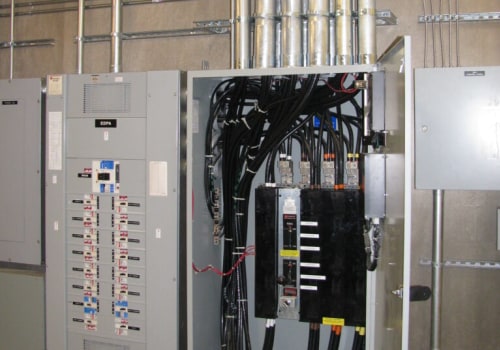
In the realm of modern industry, industrial panels serve as the backbone of operational efficiency and safety. These panels are essential components that house various electrical and control systems, ensuring that machinery and processes run smoothly. From manufacturing plants to energy facilities, the significance of these panels cannot be overstated. They not only facilitate the management of complex systems but also protect sensitive equipment from environmental factors and unauthorized access. The importance of industrial panels extends beyond mere functionality; they are critical for compliance with safety regulations and standards.
Properly installed panels can prevent accidents, reduce downtime, and enhance overall productivity. As industries evolve, the demand for reliable and efficient panel installations has surged, prompting a closer examination of the various types of enclosures available for these installations. Understanding the different types of enclosures used for industrial panel installation is crucial for selecting the right solution for specific applications. Each type of enclosure offers unique benefits tailored to meet diverse operational needs, whether it’s protecting against harsh weather conditions or ensuring optimal airflow for cooling electronic components. This exploration will not only highlight the functional aspects of these enclosures but also emphasize their role in safeguarding investments and enhancing operational longevity.
Types of Enclosures for Industrial Panels
When it comes to industrial panel installation, selecting the right type of enclosure is crucial for ensuring the safety, functionality, and longevity of the equipment housed within.Various types of enclosures are designed to meet specific environmental and operational requirements. Below are some of the most common types of enclosures used for industrial panels:
- Metal Enclosures: These are often made from materials like steel or aluminum, providing excellent durability and protection against physical impacts. Metal enclosures are ideal for harsh environments where resistance to corrosion and extreme temperatures is necessary.
- Plastic Enclosures: Lightweight and resistant to corrosion, plastic enclosures are suitable for less demanding environments. They offer good insulation properties and are often used in applications where electrical conductivity is a concern.
- IP-Rated Enclosures: Ingress Protection (IP) ratings indicate the level of protection an enclosure offers against dust and water.
For instance, an IP65 rating means the enclosure is dust-tight and can withstand low-pressure water jets, making it suitable for outdoor installations.
- Explosion-Proof Enclosures: Designed for hazardous locations where flammable gases or dust may be present, these enclosures prevent ignition from electrical components. They are essential in industries such as oil and gas, chemicals, and mining.
- Custom Enclosures: Sometimes, standard enclosures do not meet specific needs. Custom enclosures can be designed to fit unique dimensions or environmental conditions, ensuring optimal performance for specialized applications.
By understanding the different types of enclosures available, businesses can make informed decisions that align with their operational goals.
NEMA Enclosures: Standards and Applications
The NEMA enclosures are critical components in the realm of industrial panel installation, designed to protect electrical equipment from environmental factors. The National Electrical Manufacturers Association (NEMA) has established a series of standards that classify these enclosures based on their ability to withstand various conditions.NEMA standards
categorize enclosures into different types, each suited for specific applications. These classifications range from NEMA 1, which is suitable for indoor use and provides basic protection against dust and accidental contact, to NEMA 4, which offers protection against water splashing and hose-directed water, making it ideal for outdoor installations.Common NEMA Enclosure Types
- NEMA 1: Indoor use, protects against dust and accidental contact.
- NEMA 3: Outdoor use, protects against rain, sleet, and snow.
- NEMA 4: Water-resistant, suitable for washdown applications.
- NEMA 12: Dust-tight and oil-tight, ideal for industrial environments.
- NEMA 4X: Corrosion-resistant, perfect for harsh chemical environments.
Conversely, in a clean indoor environment, a NEMA 1 enclosure may suffice.Furthermore, understanding the applications of NEMA enclosures is essential for ensuring compliance with safety regulations and operational efficiency. Industries such as food processing, pharmaceuticals, and wastewater treatment often require specialized enclosures to safeguard sensitive electrical components from contamination and environmental hazards.In summary, selecting the right NEMA enclosure is vital for effective industrial panel installation. By adhering to NEMA standards and understanding the specific applications of each enclosure type, businesses can enhance the longevity and reliability of their electrical systems.
IP Rated Enclosures: Understanding Ingress Protection
When it comes to industrial panel installation, understanding IP rated enclosures is crucial for ensuring the longevity and reliability of electrical equipment. The term Ingress Protection (IP) refers to the degree of protection provided by an enclosure against the intrusion of solid objects (like dust) and liquids (like water).This classification is essential for selecting the right enclosure for specific industrial environments.The IP rating system consists of two digits. The first digit indicates the level of protection against solid objects, while the second digit indicates protection against liquids. For example, an enclosure rated as IP65 offers complete protection against dust and can withstand low-pressure water jets from any direction.
Understanding IP Ratings
- First Digit (Solid Object Protection):
- 0: No protection
- 1: Protected against objects larger than 50mm
- 2: Protected against objects larger than 12.5mm
- 3: Protected against objects larger than 2.5mm
- 4: Protected against objects larger than 1mm
- 5: Dust-protected (limited ingress)
- 6: Dust-tight (no ingress)
- Second Digit (Liquid Protection):
- 0: No protection
- 1: Protected against vertically falling drops of water
- 2: Protected against water drops at an angle up to 15 degrees
- 3: Protected against spraying water
- 4: Protected against splashing water
- 5: Protected against water jets
- 6: Protected against powerful water jets
- 7: Protected against immersion up to 1 meter
- 8: Protected against immersion beyond 1 meter
Understanding these ratings not only aids in compliance with safety standards but also enhances the durability of your installations.
Custom Enclosures: Tailoring Solutions for Specific Needs
When it comes to industrial panel installation, the need for custom enclosures has become increasingly important. These bespoke solutions allow businesses to address specific operational requirements, ensuring that their equipment is protected and functions optimally in various environments.Benefits of Custom Enclosures
- Design Flexibility: Custom enclosures can be tailored to fit unique dimensions and specifications, accommodating various types of industrial panels. This flexibility allows for better integration into existing systems and workflows.
- Enhanced Protection: Depending on the industry, custom enclosures can be designed to withstand harsh conditions such as extreme temperatures, moisture, dust, and corrosive substances. This ensures that the internal components remain safe and functional.
- Improved Aesthetics: A well-designed enclosure can enhance the overall appearance of an industrial setup.
Custom solutions can incorporate branding elements or color schemes that align with a company’s identity.
- Compliance with Regulations: Different industries have specific regulations regarding safety and environmental standards. Custom enclosures can be designed to meet these requirements, ensuring compliance and reducing liability risks.
Considerations for Tailored Enclosure Solutions
- Material Selection: The choice of materials is crucial in custom enclosures. Options like stainless steel, aluminum, or polycarbonate should be evaluated based on durability, weight, and resistance to environmental factors.
- Accessibility: It’s essential to design enclosures that allow easy access for maintenance and repairs. Features such as removable panels or hinged doors can facilitate this process.
- Cooling and Ventilation: Depending on the equipment housed within the enclosure, proper cooling solutions may be necessary.
Custom designs can incorporate ventilation systems or cooling units to prevent overheating.
Material Choices for Industrial Panel Enclosures
When it comes to industrial panel installation, the choice of materials for enclosures plays a crucial role in ensuring durability, safety, and functionality. Various materials are available, each with its own set of advantages and disadvantages.Metal Enclosures
Metal enclosures, typically made from materials like steel or aluminum, are popular in industrial settings due to their strength and resistance to environmental factors. Here are some key points:- Durability: Metal enclosures can withstand harsh conditions, including extreme temperatures and physical impacts.
- Security: They provide excellent protection against unauthorized access and vandalism.
- Heat Dissipation: Metal has superior thermal conductivity, which helps in dissipating heat generated by electrical components.
They may also require additional coatings to prevent corrosion.
Plastic Enclosures
Plastic enclosures are another common choice for industrial panel installations. They are often made from materials like polycarbonate or ABS (Acrylonitrile Butadiene Styrene). Consider the following:- Lightweight: Plastic enclosures are significantly lighter than metal, making them easier to handle and install.
- Corrosion Resistance: Unlike metal, plastic does not corrode, making it suitable for environments with moisture or chemicals.
- Cost-Effective: Generally, plastic enclosures are less expensive than their metal counterparts.
Composite Materials
A growing trend in industrial panel enclosures is the use of composite materials, which combine the benefits of both metal and plastic. These materials can offer enhanced strength while remaining lightweight.Some advantages include:
- Versatility: Composite materials can be tailored to meet specific environmental requirements.
- Improved Insulation: They often provide better thermal and electrical insulation compared to traditional materials.
Installation Considerations for Industrial Panel Enclosures
When it comes to industrial panel installation, the choice of enclosure and its proper installation are critical for ensuring safety, functionality, and compliance with industry standards. Here are some essential considerations and best practices to keep in mind during the installation process.1.Assessing the Environment
Before installation, evaluate the environment where the enclosure will be placed. Consider factors such as:- Temperature: Ensure that the enclosure can withstand the temperature fluctuations of the environment.
- Humidity: Select enclosures with appropriate ingress protection (IP) ratings to prevent moisture damage.
- Vibration: In high-vibration areas, use enclosures designed to minimize movement and protect internal components.
2.Proper Mounting Techniques
The way an enclosure is mounted can significantly affect its performance.Follow these tips for effective mounting:
- Level Installation: Ensure that the enclosure is level to prevent water pooling and ensure proper airflow.
- Secure Fastening: Use appropriate fasteners and anchors that can support the weight of the enclosure and resist environmental stresses.
- Accessibility: Position the enclosure for easy access to controls and maintenance without compromising safety.
3.Wiring and Cable Management
Effective wiring is crucial for operational efficiency. Consider these practices:- Cable Routing: Plan cable routes to minimize interference and avoid sharp bends that could damage cables.
- Labeling: Clearly label all wires and connections for easier troubleshooting and maintenance in the future.
4.Compliance with Standards
Ensure that your installation meets all relevant local, state, and federal regulations. This includes:- Electrical Codes: Adhere to National Electrical Code (NEC) requirements for safe electrical installations.
- Safety Standards: Follow OSHA guidelines to ensure worker safety during installation and operation.
Common FAQs About Industrial Panel Enclosures
When it comes to industrial panel installation, understanding the various types of enclosures and their functionalities is crucial. Here are some common questions regarding industrial panel enclosures:What are the main types of industrial panel enclosures?
Industrial panel enclosures can be categorized into several types, including:- Metal Enclosures: These are durable and provide excellent protection against environmental factors.
They are often used in harsh conditions.
- Plastic Enclosures: Lightweight and corrosion-resistant, plastic enclosures are ideal for less demanding environments.
- Fiberglass Enclosures: Known for their resistance to chemicals and moisture, fiberglass enclosures are suitable for industries like pharmaceuticals and food processing.
- Custom Enclosures: Tailored to specific needs, these enclosures can be designed to accommodate unique equipment or environmental conditions.
How do I choose the right enclosure for my application?
Selecting the appropriate enclosure involves considering several factors:- Environmental Conditions: Assess the temperature, humidity, and exposure to chemicals or dust.
- Size and Space: Ensure the enclosure fits your equipment while allowing for proper ventilation and access.
- Compliance Standards: Verify that the enclosure meets industry standards for safety and performance.
What are common installation challenges?
During industrial panel installation, you may encounter challenges such as:- Alignment Issues: Ensuring that the enclosure is level and properly aligned with other components is essential for functionality.
- Cable Management: Organizing cables within the enclosure can be tricky but is vital for safety and maintenance.
- Adequate Ventilation: Proper airflow must be maintained to prevent overheating of electrical components.
Conclusion: Choosing the Right Enclosure for Your Industrial Panel Needs
In conclusion, selecting the right enclosure for your industrial panel installation is crucial for ensuring optimal performance, safety, and longevity of your equipment. Throughout this article, we have explored various types of enclosures, each designed to meet specific environmental and operational requirements. When choosing an enclosure, consider the following key factors:- Environmental Conditions: Assess the location where the panel will be installed. Factors such as temperature fluctuations, humidity levels, and exposure to dust or corrosive substances can significantly influence your choice.
- Material Selection: Different materials offer varying levels of protection. For instance, stainless steel enclosures provide excellent corrosion resistance, while fiberglass options are lightweight and non-conductive.
- Size and Space Constraints: Ensure that the enclosure is appropriately sized for your industrial panel.
A well-fitted enclosure not only protects the equipment but also allows for adequate airflow and accessibility.
- Compliance Standards: Verify that the enclosure meets relevant industry standards and regulations. Compliance ensures safety and reliability in operation.