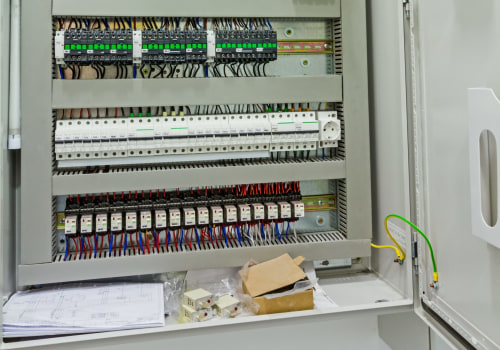
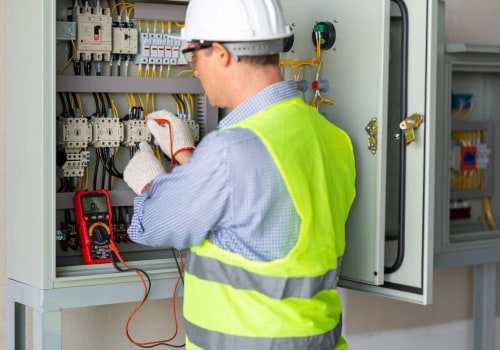
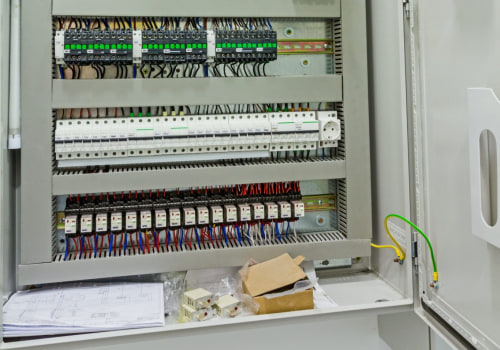
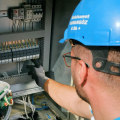
In the realm of industrial operations, industrial panels play a pivotal role in ensuring efficiency, safety, and functionality. These panels serve as the backbone of various systems, housing essential components that control and monitor equipment across diverse sectors. From manufacturing plants to energy facilities, understanding the different types of industrial panels is crucial for optimizing industrial panel installation and maintenance. Industrial panels can be categorized based on their specific applications and functionalities. For instance, control panels are designed to manage machinery and processes, while distribution panels focus on distributing electrical power throughout a facility.
Additionally, automation panels integrate advanced technology to enhance operational efficiency, making them indispensable in modern industrial settings. Each type of panel is tailored to meet unique requirements, ensuring that industries can operate smoothly and safely. The installation of these panels is not merely a technical task; it requires careful planning and adherence to industry standards. Proper industrial panel installation ensures that systems function optimally and reduces the risk of downtime or accidents. As we delve deeper into the various types of industrial panels, we will explore their specific features, benefits, and applications, providing a comprehensive understanding of how they contribute to the success of industrial operations.
Overview of Industrial Panel Installation
The industrial panel installation process is a critical component in the setup of various industrial operations.It involves the careful planning, design, and execution of installing panels that control and manage electrical systems, machinery, and other essential functions within a facility. Understanding this process is vital for ensuring safety, efficiency, and compliance with industry standards.Typically, the installation process begins with a thorough assessment of the site. This includes evaluating the existing infrastructure, determining the specific needs of the operation, and selecting the appropriate type of panels. Common types of panels used in industrial settings include:
- Control Panels: These panels manage and control machinery operations, providing operators with a centralized interface.
- Distribution Panels: Used to distribute electrical power to various circuits within a facility.
- Motor Control Centers (MCCs): These are specialized panels that control electric motors and associated equipment.
- PLC Panels: Programmable Logic Controller panels automate industrial processes by using programmable software.
Firstly, it enhances operational efficiency by streamlining processes and reducing downtime. Well-installed panels ensure that machinery operates smoothly and can be monitored easily, allowing for quick troubleshooting when issues arise.Moreover, proper installation contributes to safety in the workplace. By adhering to safety standards and regulations during installation, companies can minimize risks associated with electrical failures or equipment malfunctions. Additionally, modern panels often come equipped with advanced features such as remote monitoring capabilities, which further enhance safety and operational oversight.In conclusion, understanding the industrial panel installation process is essential for any industrial operation aiming to improve efficiency and safety.
By selecting the right type of panel and ensuring proper installation practices, businesses can significantly enhance their operational capabilities.
Types of Industrial Panels
In industrial settings, various types of panels are utilized to ensure efficient operation, safety, and control of machinery and electrical systems. Understanding the different types of industrial panels is crucial for effective industrial panel installation.1.Industrial Control Panels
Industrial control panels are essential for managing and controlling machinery and processes. These panels house various components such as relays, timers, and programmable logic controllers (PLCs). They are designed to automate operations, improve efficiency, and enhance safety in manufacturing environments.2.Electrical Panels
Electrical panels, also known as distribution boards or breaker panels, are critical for distributing electrical power throughout an industrial facility.They contain circuit breakers or fuses that protect electrical circuits from overloads. Proper installation and maintenance of these panels are vital to prevent electrical hazards and ensure a reliable power supply.
3.Safety Panels
Safety panels play a crucial role in protecting workers and equipment in industrial settings. These panels often include emergency stop buttons, safety interlocks, and alarms that activate in case of a malfunction or hazardous situation. Implementing safety panels is a key aspect of compliance with industry regulations and standards.4.Motor Control Centers (MCCs)
Motor control centers are specialized panels used to control multiple motors from a single location.They provide centralized control and monitoring of motor operations, which enhances efficiency and simplifies maintenance tasks. MCCs are commonly found in large manufacturing plants where numerous motors operate simultaneously.
5.Custom Panels
In some cases, industries may require custom panels tailored to specific applications or processes. These panels can integrate various functionalities based on the unique needs of the operation, ensuring optimal performance and reliability.In summary, understanding the different types of industrial panels—ranging from control panels to safety panels—is essential for effective industrial panel installation. Each type serves a distinct purpose that contributes to the overall efficiency and safety of industrial operations.Industrial Control Panels
Industrial control panels are essential components in various industrial settings, serving as the nerve center for managing machinery and processes.These panels house a variety of electrical components, including switches, relays, and circuit breakers, all designed to ensure safe and efficient operation.The design of an industrial control panel is critical, as it must accommodate the specific needs of the machinery it controls. Factors such as the type of equipment, environmental conditions, and safety regulations play a significant role in the design process. A well-designed control panel not only enhances functionality but also improves accessibility for maintenance and troubleshooting.
Control Panel Installation
The installation of industrial control panels requires careful planning and execution. It typically involves several key steps:- Site Assessment: Evaluating the installation site to determine space requirements and environmental factors.
- Wiring and Connections: Properly connecting all electrical components to ensure reliable operation.
- Testing: Conducting thorough tests to verify that all systems function correctly before going live.
- Documentation: Providing detailed documentation for future reference and compliance with safety standards.
Regular inspections can help identify potential issues before they escalate, ensuring that machinery operates smoothly and safely.In conclusion, understanding the intricacies of industrial control panels, from their design to installation and maintenance, is vital for optimizing industrial operations. By investing in high-quality panels and adhering to best practices in installation, businesses can enhance productivity while ensuring safety in their work environments.
Electrical Panels in Industrial Settings
In industrial settings, electrical panels play a crucial role in managing and distributing electrical power safely and efficiently. These panels serve as the central hub for electrical circuits, allowing for the control and protection of various electrical systems within a facility.There are several types of electrical panels commonly used in industrial environments, each designed to meet specific operational needs:- Main Distribution Panels (MDP): These panels are responsible for receiving power from the utility company and distributing it to various branch circuits throughout the facility. They often include circuit breakers or fuses to protect against overloads.
- Subpanels: Subpanels are smaller panels that receive power from the main distribution panel.
They are used to distribute electricity to specific areas or equipment within a facility, reducing the load on the main panel.
- Motor Control Centers (MCC): MCCs are specialized panels designed to control electric motors. They provide a centralized location for motor starters, overload relays, and other control devices, enhancing operational efficiency.
- Load Centers: These panels are similar to subpanels but are typically used in smaller industrial applications. They distribute power to lighting and receptacle circuits and often include circuit breakers for protection.
- Transfer Switches: Used in facilities with backup generators, transfer switches allow for seamless switching between utility power and generator power, ensuring continuous operation during outages.
Regular maintenance and inspections are essential to identify potential issues before they lead to failures or hazards.In summary, understanding the different types of electrical panels and their specific functions is vital for effective industrial panel installation. By selecting the appropriate panel type and ensuring proper installation practices, facilities can optimize their electrical systems for safety and efficiency.
Safety Panels and Their Importance
In industrial settings, safety panels play a crucial role in maintaining a secure work environment. These panels are designed to protect workers from potential hazards, ensuring compliance with safety regulations and standards. Their installation is not just a regulatory requirement but a fundamental aspect of workplace safety.Importance of Safety Panels
- Hazard Mitigation: Safety panels are essential for mitigating risks associated with machinery and equipment.
They act as barriers that prevent accidental contact with moving parts, reducing the likelihood of injuries.
- Compliance: Many industries are governed by strict safety regulations. Proper installation of safety panels ensures compliance with these regulations, helping organizations avoid fines and legal issues.
- Visibility and Awareness: Safety panels often feature bright colors and warning signs that enhance visibility. This helps in raising awareness among employees about potential dangers in their surroundings.
- Emergency Response: In the event of an emergency, safety panels can guide workers to exits or safe zones, facilitating a quicker and safer evacuation process.
Regular inspections and maintenance of these panels are equally important to ensure they remain functional and compliant over time.In conclusion, the significance of safety panel installation cannot be overstated. By prioritizing the use of safety panels, industrial facilities can create a safer work environment, protect their workforce, and comply with industry regulations.
Installation Best Practices for Industrial Panels
When it comes to industrial panel installation, adhering to best practices is crucial for ensuring both safety and efficiency. Here are some essential tips to consider during the installation process:- Plan the Layout: Before beginning the installation, create a detailed layout plan. This should include the location of each panel, access points, and any necessary clearances.
A well-thought-out layout minimizes the risk of errors and enhances workflow.
- Use Quality Materials: Always opt for high-quality panels and components that meet industry standards. This not only ensures durability but also reduces the likelihood of future maintenance issues.
- Follow Manufacturer Guidelines: Each type of industrial panel may have specific installation requirements. Always refer to the manufacturer’s instructions for proper installation techniques and safety precautions.
- Ensure Proper Grounding: Grounding is critical in industrial settings to prevent electrical hazards. Make sure all panels are properly grounded according to local codes and regulations.
- Utilize Appropriate Tools: Use the right tools for the job, including screwdrivers, wrenches, and torque tools.
This not only speeds up the installation process but also ensures that connections are secure.
- Conduct Regular Inspections: After installation, conduct thorough inspections to ensure everything is functioning correctly. Look for loose connections, signs of wear, or any other potential issues that could affect performance.
Common Challenges in Industrial Panel Installation
Installing industrial panels can present a variety of challenges that may hinder the efficiency and effectiveness of the installation process. Understanding these challenges is crucial for ensuring a successful installation and minimizing downtime.1.Site Conditions
- One of the most common challenges is dealing with site conditions.
Factors such as limited space, uneven surfaces, or environmental hazards can complicate the installation process.
- To mitigate these issues, it’s essential to conduct a thorough site assessment before installation begins. This allows for proper planning and adjustments to be made in advance.
2.Electrical Compatibility
- Another significant challenge is ensuring electrical compatibility between the new panels and existing systems. Mismatched voltages or frequencies can lead to operational failures.
- To address this, it’s advisable to consult with an electrical engineer who can evaluate the current system and recommend necessary modifications.
3.Regulatory Compliance
- Compliance with local codes and regulations is critical in industrial panel installation. Failing to adhere to these standards can result in costly fines or project delays.
- Staying informed about relevant regulations and involving compliance experts during the planning phase can help avoid these pitfalls.
Troubleshooting Panel Installation Issues
- If issues arise during installation, a systematic troubleshooting approach is essential.
Start by identifying the symptoms, such as unexpected shutdowns or performance issues.
- Next, check connections, wiring integrity, and component compatibility. Documenting each step can help pinpoint the problem more efficiently.
- If problems persist, consulting with experienced technicians or manufacturers can provide additional insights and solutions.
Future Trends in Industrial Panel Technology
As industries evolve, so do the technologies that support them. The future of industrial panel installation is poised for significant transformation, driven by advancements in technology and the increasing demand for efficiency and sustainability.Emerging Trends in Industrial Panels
One of the most notable trends is the integration of smart technology into industrial panels. These smart industrial panels are equipped with sensors and IoT capabilities, allowing for real-time monitoring and data collection.This not only enhances operational efficiency but also enables predictive maintenance, reducing downtime and operational costs.
Advancements in Materials and Design
Another key trend is the use of advanced materials that improve durability and performance. For instance, panels made from lightweight composites or enhanced polymers are becoming more common, offering better resistance to environmental factors while reducing overall weight. This shift not only improves installation processes but also contributes to energy efficiency.Sustainability in Panel Production
Sustainability is also a driving force behind future developments. Manufacturers are increasingly focusing on eco-friendly production methods and materials, aiming to reduce the carbon footprint associated with industrial panel installation.This includes using recycled materials and implementing energy-efficient manufacturing processes.
The Role of Automation
The rise of automation in industrial settings is influencing panel technology as well. Automated systems can streamline the installation process, ensuring precision and reducing labor costs. As automation becomes more prevalent, we can expect panels that are designed specifically for compatibility with automated systems.In conclusion, the future of industrial panel technology is bright, characterized by smart innovations, sustainable practices, and advanced materials. As these trends continue to develop, they will undoubtedly shape the landscape of industrial panel installation, making it more efficient and environmentally friendly.Conclusion: Key Takeaways on Industrial Panel Installation
In summary, understanding the various types of industrial panels and their proper installation is crucial for ensuring safety, efficiency, and compliance in industrial settings.Each type of panel serves a specific purpose and is designed to meet the unique demands of different environments. Here are the key takeaways regarding industrial panel installation:
- Types of Panels: Familiarity with the common types of panels, such as control panels, distribution panels, and motor control centers, is essential. Each type has distinct features that cater to specific operational needs.
- Installation Standards: Adhering to industry standards and regulations during installation is vital. This ensures not only compliance but also the longevity and reliability of the panels.
- Safety Considerations: Proper installation minimizes risks associated with electrical hazards. It is important to follow safety protocols to protect both personnel and equipment.
- Maintenance Practices: Regular maintenance and inspections are necessary to keep industrial panels functioning optimally.
This includes checking for wear and tear, ensuring connections are secure, and updating components as needed.