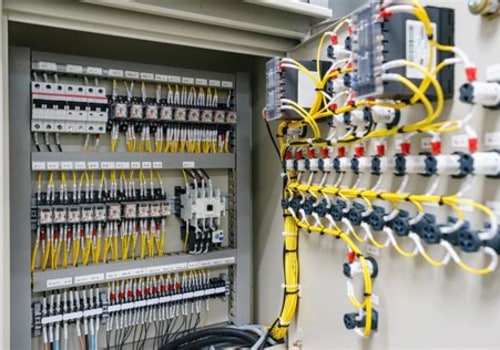
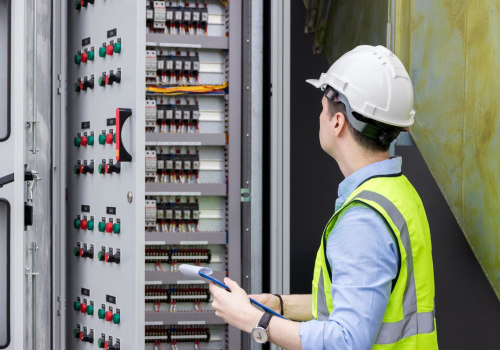
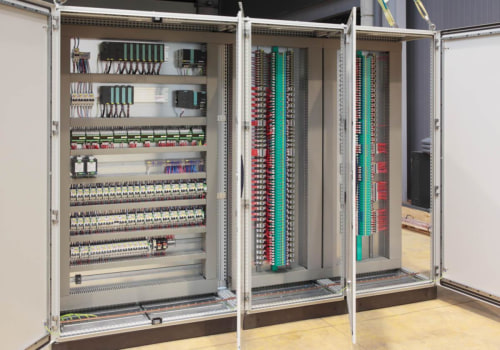
Industrial panels are essential components in various industrial settings, serving as the central hub for electrical distribution and control. These panels house circuit breakers, switches, and other critical devices that manage the flow of electricity to machinery and equipment. Understanding the role of industrial panels is crucial for anyone involved in industrial panel installation, as they ensure safety, efficiency, and reliability in operations. There are several types of industrial panels, each designed to meet specific operational needs. For instance, control panels are used to manage machinery operations, while distribution panels focus on distributing power to various circuits.
Additionally, motor control centers (MCCs) are specialized panels that control electric motors, providing a centralized location for motor management. Each type of panel plays a vital role in maintaining the functionality of industrial systems. The installation of these panels requires careful planning and adherence to safety standards. Proper installation not only enhances performance but also minimizes the risk of electrical failures that can lead to costly downtime. As industries increasingly rely on technology, understanding the intricacies of industrial panel installation becomes even more critical.
This foundational knowledge sets the stage for discussing the necessity of backup power sources, ensuring that operations remain uninterrupted even during power outages.
The Role of Backup Power Sources
In the realm of industrial panel installation, the significance of having a backup power source cannot be overstated. Industrial operations often rely on continuous power to maintain productivity and ensure safety. A sudden power loss can lead to severe consequences, including equipment damage, production downtime, and even safety hazards for personnel.Consider scenarios such as:- Utility Failures: Natural disasters, equipment malfunctions, or grid overloads can cause unexpected outages.
- Scheduled Maintenance: Power interruptions during maintenance can disrupt operations if not properly managed.
- Load Shedding: In some regions, utilities may implement load shedding to manage demand, affecting industrial facilities.
- Financial Loss: Downtime can lead to lost revenue and increased operational costs.
- Data Loss: In industries reliant on data processing, power outages can result in the loss of critical information.
- Equipment Damage: Sudden shutdowns can harm machinery, leading to costly repairs and extended downtime.
- Safety Risks: Inadequate power supply during emergencies can jeopardize worker safety and compliance with regulations.
By investing in backup solutions, businesses not only protect their assets but also enhance their overall industrial power reliability.
Types of Backup Power Sources for Industrial Panels
When considering industrial panel installation, it is crucial to evaluate the types of backup power sources available to ensure uninterrupted operations. Here are the primary options:- Generators: These are one of the most common backup power sources for industrial panels. Generators can run on various fuels, including diesel, natural gas, or propane. They provide a reliable power supply during outages and can be sized to meet the specific energy demands of your industrial panel.
- Uninterruptible Power Supplies (UPS): A UPS system offers immediate backup power by using batteries to provide electricity during a power failure.
This is particularly important for sensitive equipment that requires a constant power supply to prevent data loss or damage. UPS systems come in various sizes and capacities, making them suitable for different industrial applications.
- Battery Backups: Similar to UPS systems, battery backups store energy for use during outages. However, they typically have a longer discharge time and can be used in conjunction with solar panels or other renewable energy sources. Battery backups are ideal for facilities looking to enhance their sustainability while ensuring reliable power.
For instance, while generators can provide substantial power for extended periods, they may require more maintenance and fuel management. On the other hand, UPS systems offer quick response times but may have limitations in terms of runtime depending on the load. Ultimately, the choice of backup power source will depend on factors such as the specific requirements of your industrial panel installation, budget constraints, and the critical nature of your operations. By understanding these options, you can make an informed decision that best suits your facility's needs.
Factors to Consider When Choosing a Backup Power Source
When selecting a backup power source for an industrial panel installation, several critical factors must be taken into account to ensure reliability and efficiency. Understanding these factors can significantly impact the performance and longevity of your industrial operations.- Load Requirements: Assess the total load that the industrial panel will support during a power outage.
This includes not only the operational equipment but also any auxiliary systems that may require power. Calculating the wattage and ensuring that the backup system can handle peak loads is essential.
- Runtime Expectations: Determine how long you need the backup power source to operate during an outage. This will depend on the nature of your operations and how often you experience power interruptions. A longer runtime may necessitate larger fuel tanks or more robust battery systems.
- Environmental Conditions: Consider the environment where the backup power source will be installed.
Factors such as temperature extremes, humidity, and exposure to dust or corrosive elements can affect the performance and lifespan of generators or battery systems. Choose equipment rated for your specific environmental conditions.
- Fuel Type: Evaluate different fuel options available for backup systems, such as diesel, natural gas, or renewable energy sources like solar. Each fuel type has its advantages and disadvantages in terms of availability, cost, and maintenance requirements.
- Regulatory Compliance: Ensure that your chosen backup power source complies with local regulations and industry standards. This may include emissions standards, safety codes, and installation guidelines specific to industrial applications.
Installation Considerations for Backup Power Systems
When considering backup power installation for an industrial panel, several critical factors must be taken into account to ensure a seamless integration that prioritizes safety and efficiency.1.Assessing Power Requirements:
- Before installation, conduct a thorough analysis of the power needs of the industrial panel.
This includes understanding the total load and peak demand to select an appropriate backup power source.
- Consider future expansion or additional equipment that may increase power requirements.
2.Choosing the Right Backup System:
- Options for backup power systems include generators, uninterruptible power supplies (UPS), and battery storage systems. Each has its advantages and should be selected based on the specific operational needs of the industrial panel.
- Ensure that the chosen system is compatible with the existing electrical infrastructure to avoid complications during installation.
3.Safety Protocols:
- Adhere to local codes and regulations regarding electrical installations, particularly those related to backup systems. This includes proper grounding and circuit protection measures.
- Implement safety measures such as automatic transfer switches (ATS) to facilitate a smooth transition between primary and backup power sources without manual intervention.
4.Professional Installation:
- Engage qualified professionals for the installation process. Their expertise will ensure compliance with safety standards and optimal performance of both the industrial panel and backup system.
- Regular maintenance checks should be scheduled post-installation to ensure reliability and longevity of the backup power system.
By following these industrial panel installation guidelines, businesses can safeguard against unexpected power outages while ensuring safety and efficiency in their operations.
Common Myths About Backup Power Sources
When it comes to backup power sources for industrial panels, several myths can cloud judgment and lead to poor decision-making. Understanding these misconceptions is crucial for ensuring the reliability and efficiency of industrial operations.- Myth 1: Backup Power Sources Are Only Necessary for Large Facilities
Many believe that only large industrial facilities require backup power. In reality, any operation that relies on an industrial panel installation can benefit from a backup system. Even smaller facilities can face significant losses during power outages, making backup power a wise investment. - Myth 2: Backup Power Is Too Expensive to Justify
While initial costs may seem high, the long-term savings from avoiding downtime and equipment damage often outweigh the investment.Additionally, various financing options and incentives can make backup power more affordable than many think.
- Myth 3: All Backup Power Systems Are the Same
Not all backup systems are created equal. Different types of generators and battery systems offer varying levels of reliability, efficiency, and suitability for specific applications. It’s essential to choose a system tailored to your facility's needs. - Myth 4: Backup Power Sources Are Complicated to Maintain
While maintenance is necessary, modern backup systems are designed for ease of use. Regular checks and simple upkeep can ensure that these systems remain operational without requiring extensive technical knowledge. - Myth 5: Power Outages Are Rarely a Concern
Many underestimate the frequency and impact of power outages.Natural disasters, equipment failures, and grid issues can lead to unexpected downtime. Having a reliable backup power source is essential for maintaining continuous operations.
Real-World Case Studies: The Impact of Backup Power Failures
In the realm of industrial panel installation, the importance of a reliable backup power source cannot be overstated. Numerous case studies highlight the dire consequences of power failures in industrial settings, underscoring the necessity for contingency plans.Case Study 1: Manufacturing Plant Shutdown
In 2019, a manufacturing plant in Ohio experienced a sudden power outage due to a severe storm. The facility relied solely on the main power grid without any backup systems in place.As a result, production came to a halt for over 48 hours, leading to significant financial losses estimated at $500,000. The incident not only affected immediate operations but also damaged client relationships due to delayed deliveries.
Case Study 2: Data Center Disaster
A data center in California faced catastrophic failure when its primary power supply was interrupted during maintenance. Without a backup power source, critical servers went offline, resulting in data loss and service outages for several clients. The company incurred costs exceeding $1 million in recovery efforts and lost business opportunities.Lessons Learned
- Financial Impact: Both case studies illustrate that the absence of backup power can lead to substantial financial repercussions.
- Operational Downtime: Extended downtime not only affects production but can also tarnish a company's reputation.
- Client Trust: Maintaining consistent operations is crucial for client retention; failures can lead to long-term damage to business relationships.
Implementing robust backup systems is not just a precaution; it is an essential strategy for safeguarding operations and ensuring business continuity.
Conclusion: The Necessity of Backup Power Sources in Industrial Panel Installations
In conclusion, the necessity of having a backup power source for industrial panel installations cannot be overstated. As industries increasingly rely on automated systems and technology, the implications of power outages can be severe, leading to costly downtime and potential safety hazards.Throughout this article, we have explored several critical reasons why a backup power source is essential:- Operational Continuity: A reliable backup power source ensures that operations can continue seamlessly during power interruptions, minimizing disruptions.
- Equipment Protection: Sudden power loss can damage sensitive equipment connected to industrial panels. Backup systems help mitigate this risk.
- Safety Compliance: Many industries are subject to strict safety regulations. Having a backup power source can help maintain compliance and protect employees.
- Cost Efficiency: While there is an initial investment in backup systems, the long-term savings from avoiding downtime and equipment damage can be substantial.
Each option has its advantages and limitations, making it crucial to assess factors such as load requirements, runtime expectations, and maintenance needs.Ultimately, investing in a backup power source for industrial panel installations is not just a precaution; it is a strategic decision that enhances reliability, safety, and efficiency in industrial operations. As industries evolve and the demand for uninterrupted service grows, ensuring that your industrial panel is equipped with a robust backup solution will position your business for success in an increasingly competitive landscape.