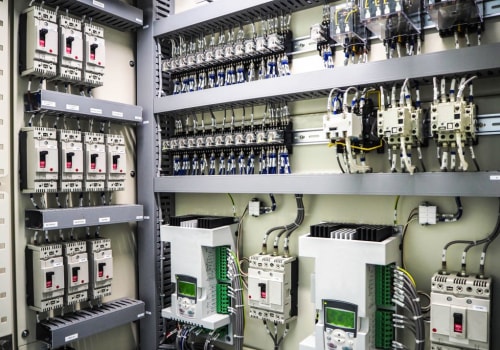
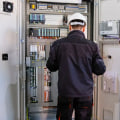
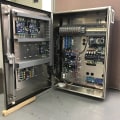
Industrial panel installation is a critical process that serves as the backbone for various operational systems across multiple sectors, including manufacturing, energy, and telecommunications. This process involves the assembly and integration of electrical panels that control and distribute power to machinery and equipment. Understanding industrial panel installation is essential for ensuring safety, efficiency, and reliability in industrial operations. The significance of industrial panel installation cannot be overstated. These panels are designed to manage electrical loads, protect circuits, and facilitate communication between different components of an industrial system.
A well-executed installation not only enhances the performance of machinery but also minimizes downtime and reduces the risk of electrical failures. As industries continue to evolve with technological advancements, the demand for skilled professionals who can effectively handle industrial panel installation is on the rise. However, despite its importance, the process is not without challenges. Factors such as regulatory compliance, environmental conditions, and the complexity of modern systems can complicate installations. Additionally, ensuring that all components are correctly configured and tested requires a high level of expertise and attention to detail.
In this article, we will delve deeper into these common challenges faced during industrial panel installation, providing insights that can help professionals navigate this intricate field more effectively.
Common Challenges in Industrial Panel Installation
Industrial panel installation is a complex process that often presents various challenges. Understanding these common challenges can help project managers and technicians prepare effectively and mitigate potential issues. One of the primary difficulties faced during installation is site preparation. Ensuring that the installation site is adequately prepared involves addressing factors such as space constraints, environmental conditions, and existing infrastructure. Inadequate site preparation can lead to delays and increased costs. Another significant challenge is coordination among teams.Industrial panel installations typically require collaboration between multiple teams, including electrical engineers, contractors, and safety personnel. Miscommunication or lack of coordination can result in errors that compromise the installation's integrity.Technical Issues
- Compatibility of Components: Ensuring that all components are compatible with each other is crucial. Mismatched components can lead to functionality issues.
- Complex Wiring: The intricate wiring required for industrial panels can be daunting. Mistakes in wiring can cause operational failures or safety hazards.
Compliance with local and national safety standards is mandatory, and failure to adhere to these regulations can result in legal repercussions and project delays. Lastly, training and expertise are vital for successful installation. Insufficiently trained personnel may struggle with the technical aspects of the installation, leading to mistakes that could have been avoided with proper training. In summary, the challenges faced during industrial panel installation are multifaceted, ranging from site preparation and team coordination to technical issues and regulatory compliance. Addressing these challenges proactively can significantly enhance the efficiency and success of the installation process.
Technical Difficulties and Solutions
During industrial panel installation, several technical difficulties can arise, potentially delaying the project and increasing costs. Understanding these challenges and having effective solutions at hand is crucial for a successful installation.Common Technical Difficulties
- Electrical Compatibility Issues: Mismatched voltage or current ratings can lead to equipment failure or safety hazards.
- Improper Panel Alignment: Panels that are not aligned correctly can cause operational inefficiencies and may require reinstallation.
- Inadequate Wiring: Insufficient or incorrect wiring can lead to short circuits or power loss, complicating the installation process.
- Environmental Factors: Conditions such as humidity, temperature fluctuations, and dust can affect the performance of the panels.
Solutions for Installation Issues
To address these challenges effectively, consider the following solutions:- Conduct Thorough Pre-Installation Assessments: Evaluate the site conditions and ensure that all electrical specifications match before beginning the installation.
- Utilize Alignment Tools: Employ laser levels and alignment tools to ensure that panels are installed correctly from the start, minimizing the need for adjustments later.
- Engage Qualified Electricians: Hiring experienced professionals for wiring tasks can prevent common mistakes that lead to electrical issues.
- Implement Environmental Controls: Use protective coverings and climate control measures during installation to mitigate the impact of environmental factors.
If issues arise, revisit each step of the installation process, verify all connections, and consult with experts if necessary. By being proactive and prepared, you can navigate these technical difficulties effectively, ensuring a smooth industrial panel installation.
Safety Concerns During Installation
When it comes to industrial panel installation, safety is paramount. The installation process involves various risks that can lead to serious accidents if not properly managed. Understanding these safety concerns is essential for ensuring a secure working environment. One of the primary safety concerns during industrial panel installation is the risk of electrical hazards.Working with high-voltage systems can pose significant dangers, including electric shock and arc flash incidents. To mitigate these risks, it is crucial to follow strict safety protocols, such as:
- De-energizing equipment: Always ensure that the power is turned off before beginning any installation work.
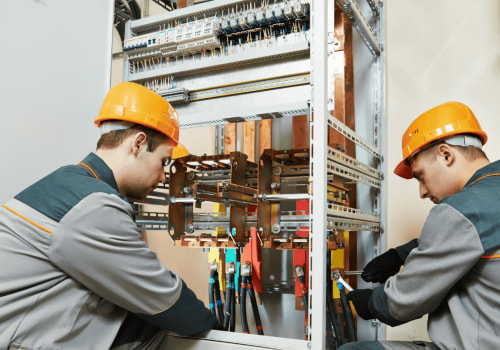
- Using personal protective equipment (PPE): Equip workers with appropriate PPE, including insulated gloves, safety glasses, and hard hats.
- Implementing lockout/tagout (LOTO) procedures: This practice helps prevent accidental energization of equipment during maintenance or installation.
- Conducting site assessments: Evaluate the installation site for potential hazards before work begins.
- Providing training: Ensure that all personnel are trained in safe lifting techniques and fall protection measures.
- Maintaining a clean workspace: Keep the area free from debris and obstacles to reduce tripping hazards.
Establishing clear lines of communication can help prevent misunderstandings that may lead to accidents. Regular safety meetings can reinforce the importance of adhering to safety protocols and encourage workers to voice any concerns they may have. In conclusion, addressing safety concerns during industrial panel installation is critical for protecting workers and ensuring a successful project outcome. By implementing comprehensive safety measures and fostering a culture of safety awareness, companies can significantly reduce the risks associated with this complex process.
Regulatory Compliance Issues
When it comes to industrial panel installation, navigating regulatory compliance issues is one of the most significant challenges that contractors and businesses face. Compliance with local, state, and federal regulations is not just a matter of legal obligation; it also ensures safety and efficiency in operations.Key Regulations
that often impact industrial panel installations include:- National Electrical Code (NEC): This code outlines the standards for safe electrical design, installation, and inspection to protect people and property from electrical hazards.
- Occupational Safety and Health Administration (OSHA): OSHA regulations ensure that workplaces are safe and healthful, which includes guidelines for electrical installations.
- Environmental Protection Agency (EPA): Compliance with EPA regulations may be necessary if the installation involves hazardous materials or impacts the environment.
As technology advances and new safety concerns arise, regulations are updated, which can lead to confusion among contractors who must ensure their installations meet current standards.Additionally, different states may have their own specific requirements that can complicate the installation process. For instance, what is acceptable in one state may not be permissible in another, leading to potential delays and increased costs if modifications are needed.
Navigating Compliance Effectively
To effectively navigate these compliance challenges, it is crucial for businesses to:
- Stay Informed: Regularly review updates to relevant codes and regulations to ensure all installations are compliant.
- Consult Experts: Engage with compliance specialists or legal advisors who can provide insights into specific regulatory requirements.
- Conduct Training: Ensure that all personnel involved in panel installation are trained on compliance issues and understand the importance of adhering to regulations.
Project Management Challenges
Managing industrial panel installation projects involves navigating a variety of challenges that can significantly impact timelines and budgets. One of the most pressing issues is scheduling conflicts. With multiple stakeholders involved, including contractors, suppliers, and clients, aligning everyone’s availability can be a daunting task.Delays in one area can cascade, affecting the entire project timeline.Another critical aspect is resource allocation. Ensuring that the right materials and skilled labor are available when needed is essential for maintaining momentum. Often, unforeseen circumstances such as supply chain disruptions or labor shortages can lead to resource bottlenecks. This not only delays the installation process but can also inflate costs if last-minute solutions are required.To effectively manage these challenges, project managers should consider implementing the following strategies:
- Detailed Planning: Develop a comprehensive project plan that outlines all phases of the installation process, including timelines and resource requirements.
- Regular Communication: Establish clear lines of communication among all parties involved.
Regular updates can help identify potential issues before they escalate.
- Flexible Scheduling: Build flexibility into the project schedule to accommodate unexpected delays or changes in resource availability.
- Risk Management: Identify potential risks early in the planning phase and develop contingency plans to address them swiftly.
FAQs About Industrial Panel Installation Challenges
When it comes to industrial panel installation, several challenges can arise, leading to delays and increased costs. Here are some frequently asked questions regarding these challenges:- What are the most common challenges faced during industrial panel installation?
Common challenges include improper site preparation, inadequate electrical supply, and difficulties in coordinating with other trades. Additionally, environmental factors such as extreme weather can also hinder the installation process. - How can site preparation affect the installation process?
Proper site preparation is crucial for a successful industrial panel installation.If the site is not level or lacks proper access, it can lead to complications during the installation, resulting in potential safety hazards and increased labor costs.
- What role does electrical supply play in installation challenges?
An insufficient or unstable electrical supply can cause significant delays. Ensuring that the electrical infrastructure meets the requirements of the new panels is essential for a smooth installation. - How do environmental conditions impact industrial panel installations?
Extreme weather conditions, such as heavy rain or snow, can delay installations. It's important to plan installations during favorable weather conditions to avoid these issues. - What are some strategies to overcome these challenges?
To mitigate these challenges, thorough planning and communication among all stakeholders are vital. Conducting a detailed site assessment before installation and ensuring all necessary permits and inspections are completed can help streamline the process.
Conclusion: Overcoming Challenges in Industrial Panel Installation
In conclusion, navigating the complexities of industrial panel installation requires a comprehensive understanding of the various challenges that can arise throughout the process.By recognizing these obstacles, project managers and installation teams can implement effective strategies to mitigate risks and ensure successful outcomes.Some of the key challenges discussed include:
- Site Conditions: Unforeseen site conditions can significantly impact installation timelines and costs. Conducting thorough site assessments prior to installation can help identify potential issues.
- Compliance with Regulations: Adhering to local codes and industry standards is crucial. Regular training and updates on regulatory changes can keep teams informed and compliant.
- Coordination Among Trades: Effective communication between different trades is essential to avoid delays. Utilizing project management tools can enhance collaboration and streamline workflows.
- Quality Control: Ensuring that all components meet quality standards is vital for long-term performance.
Implementing rigorous quality checks throughout the installation process can prevent future complications.