In the realm of modern industry, industrial panel installation plays a pivotal role in ensuring operational efficiency and safety. This process involves the systematic assembly and integration of control panels, electrical panels, and other essential components that manage and distribute power across various industrial settings. Understanding what industrial panel installation entails is crucial for businesses aiming to optimize their workflows and maintain compliance with safety regulations. The significance of industrial panel installation extends beyond mere functionality; it is a cornerstone of industrial automation and control systems. These panels serve as the nerve center for machinery, enabling operators to monitor performance, troubleshoot issues, and implement necessary adjustments in real-time.
As industries evolve and embrace advanced technologies, the demand for expertly installed panels that can handle complex operations continues to grow. This article will delve into the intricacies of the industrial panel installation process, providing a comprehensive overview that covers everything from initial planning and design to final testing and commissioning. By exploring each phase in detail, we aim to equip readers with the knowledge needed to appreciate the importance of this critical aspect of industrial infrastructure.
What Are Industrial Panels?
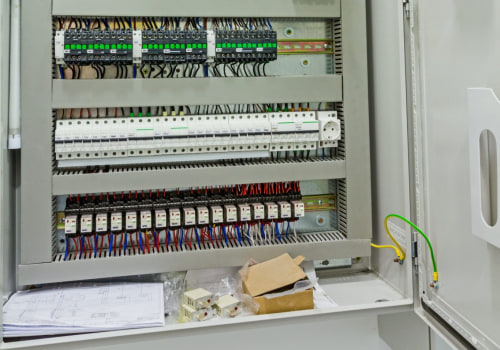
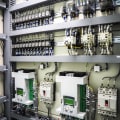
Industrial panels are essential components in various industrial settings, serving as the backbone for electrical distribution, control systems, and safety mechanisms. These panels are designed to house electrical components and facilitate the management of power and data flow within a facility.Types of Industrial Panels
- Electrical Panels: These panels distribute electricity throughout a facility, ensuring that power is delivered safely and efficiently to different machinery and equipment.
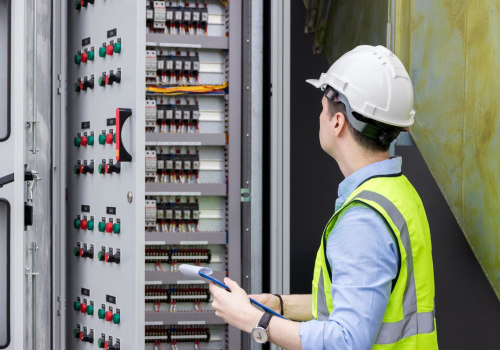
- Control Panels: Used to manage and control machinery operations, these panels often include switches, buttons, and displays that allow operators to monitor system performance.
- Distribution Panels: These are specialized electrical panels that divide electrical power into subsidiary circuits while providing protective fuses or circuit breakers for each circuit.
- Motor Control Centers (MCCs): These panels are specifically designed to control electric motors, providing a centralized location for motor starters, overload relays, and other control devices.
Materials Used in Industrial Panel Construction
The construction of industrial panels involves various materials that ensure durability and safety. Common materials include:- Steel: Often used for its strength and resistance to impact, steel panels provide robust protection for internal components.
- Aluminum: Lightweight yet strong, aluminum is corrosion-resistant and is frequently used in environments where moisture is a concern.
- Fiberglass: This material is non-conductive and resistant to chemicals, making it ideal for hazardous environments.
- Plastic: Used in smaller or less critical applications, plastic panels are lightweight and can be molded into various shapes.
Each type serves a specific function, and the choice of materials can significantly impact the panel's performance and longevity.
Planning for Industrial Panel Installation
Effective planning for industrial panel installation is crucial to ensure a seamless and efficient process. This phase involves several key steps, including a thorough site assessment, compliance with relevant regulations, and the creation of a detailed installation checklist.Site Assessment for Panel Installation
The first step in the planning process is conducting a comprehensive site assessment. This involves evaluating the physical location where the panels will be installed. Key factors to consider include:- Space Availability: Ensure there is adequate space for the panels and any necessary equipment.
- Environmental Conditions: Assess factors such as temperature, humidity, and potential exposure to elements that could affect panel performance.
- Accessibility: Determine how easily technicians can access the installation site for both setup and future maintenance.
- Power Supply: Verify that the existing electrical infrastructure can support the new panels.
Compliance with Regulations
Before proceeding with installation, it is essential to ensure compliance with local, state, and federal regulations.This may involve:
- Permits: Obtaining necessary permits from local authorities.
- Safety Standards: Adhering to safety standards set by organizations such as OSHA (Occupational Safety and Health Administration).
- Environmental Regulations: Ensuring that the installation meets environmental guidelines to minimize impact.
Installation Planning Checklist
A well-structured installation planning checklist can streamline the entire process. Key items to include are:- Materials List: Compile a list of all materials and tools required for installation.
- Timeline: Establish a realistic timeline for each phase of the installation.
- Team Roles: Assign specific roles and responsibilities to team members involved in the installation.
- Contingency Plans: Develop plans for potential issues that may arise during installation.
Tools and Equipment Needed for Installation
When it comes to industrial panel installation, having the right tools and equipment is crucial for ensuring a smooth and efficient process. Below is a comprehensive list of essential tools and equipment needed for this task.- Measuring Tools: Accurate measurements are vital. A laser level or a traditional tape measure will help ensure that panels are installed correctly and aligned properly.
- Cutting Tools: Depending on the material of the panels, you may need a circular saw, jigsaw, or reciprocating saw.
These tools are essential for cutting panels to the required dimensions.
- Fastening Tools: A reliable drill with various bits is necessary for creating holes and securing panels. Additionally, a screwdriver set will be needed for manual fastening.
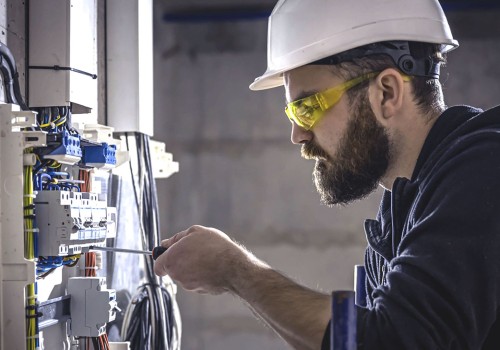
- Safety Equipment: Safety should always be a priority. Equip yourself with safety goggles, gloves, and a hard hat to protect against potential hazards during installation.
- Lifting Equipment: Depending on the size and weight of the panels, you may require a hoist, forklift, or even a simple dolly to assist in moving and positioning the panels safely.
- Sealing Tools: For weatherproofing and insulation, having a good quality sill sealant, caulking gun, and foam insulation can help ensure that the installation is airtight.
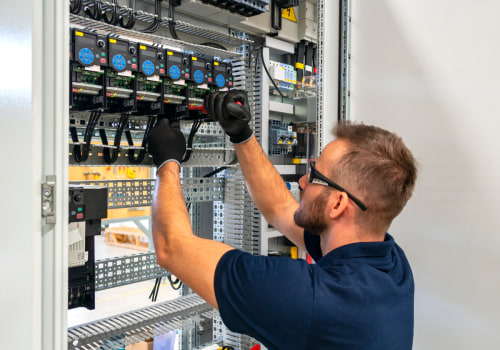
- Electrical Tools: If your industrial panels include electrical components, having a multimeter, wire strippers, and electrical tape will be essential for safe connections.
Step-by-Step Process of Industrial Panel Installation
Installing industrial panels is a meticulous process that requires careful planning and execution.Below is a step-by-step guide to ensure a successful installation.
- Preparation and Planning: Before beginning the installation, assess the site where the panels will be installed. Ensure that all necessary tools and materials are available, including the panels, mounting hardware, and safety equipment. Create a detailed plan that outlines the layout and any specific requirements for the installation.
- Site Inspection: Conduct a thorough inspection of the installation site. Check for any obstructions, uneven surfaces, or potential hazards that could affect the installation process.
Make any necessary adjustments to the site to ensure a smooth installation.
- Marking the Installation Area: Use chalk lines or markers to outline where each panel will be installed. This step is crucial for ensuring that the panels are aligned correctly and spaced evenly.
- Mounting Hardware Installation: Install the mounting hardware according to the manufacturer's specifications. This may include brackets, anchors, or other support structures. Ensure that all hardware is securely fastened and can support the weight of the panels.
- Panel Placement: Carefully lift and position each panel onto the mounting hardware.
It’s important to follow the marked lines to maintain alignment. If necessary, use shims to adjust the height or level of each panel.
- Securing Panels: Once positioned correctly, secure each panel using screws or bolts as specified by the manufacturer. Double-check that all connections are tight and that there are no gaps between panels.
- Final Inspection: After all panels are installed, conduct a final inspection to ensure everything is in place and secure. Look for any signs of misalignment or loose fittings that may need adjustment.
Following these steps will help you achieve a professional finish and long-lasting results.
Common Challenges in Industrial Panel Installation
Installing industrial panels can be a complex process, often fraught with various challenges that can hinder progress and affect the overall quality of the installation. Understanding these common challenges is crucial for ensuring a smooth installation process. One of the primary issues faced during industrial panel installation is inadequate site preparation. If the installation site is not properly prepared, it can lead to misalignment and structural issues. Installers should ensure that the area is clean, level, and free from obstructions before beginning the installation. Another significant challenge is electrical compatibility.Industrial panels often need to integrate with existing electrical systems. If there are discrepancies in voltage or wiring standards, it can lead to operational failures. It’s essential to conduct thorough compatibility checks prior to installation.Weather conditions can also pose a challenge, especially for outdoor installations. Rain, wind, or extreme temperatures can affect both the safety of the workers and the integrity of the materials being used.
Installers should monitor weather forecasts and plan installations accordingly. Additionally, communication issues among team members can lead to mistakes during installation. Clear communication regarding roles, responsibilities, and timelines is vital to avoid confusion and ensure that everyone is on the same page. To troubleshoot these problems effectively:
- Conduct regular site assessments to identify potential issues early on.
- Implement a checklist for electrical compatibility before starting the installation.
- Monitor weather conditions closely and adjust schedules as necessary.
- Foster open communication among team members to address concerns promptly.
Safety Considerations During Installation
When it comes to industrial panel installation, prioritizing safety is essential to protect both workers and equipment. The following considerations and best practices should be adhered to during the installation process.Personal Protective Equipment (PPE)
Before beginning any installation work, ensure that all personnel are equipped with the necessary personal protective equipment. This includes:- Hard hats: To protect against falling objects.
- Safety goggles: To shield eyes from debris and electrical sparks.
- Gloves: Insulated gloves are crucial when handling electrical components.
- Steel-toed boots: To prevent foot injuries from heavy equipment.
Electrical Safety
Electrical safety is a critical aspect of industrial panel installation.Follow these guidelines to minimize risks:
- De-energize circuits: Always ensure that the power is turned off before starting any work on electrical panels.
- Use lockout/tagout procedures: Implement these procedures to prevent accidental re-energization of circuits during installation.
- Check for live wires: Use appropriate testing equipment to confirm that no voltage is present before touching any wires.
Work Environment
The installation site should be organized and free from hazards. Consider the following:- Clear pathways: Ensure that all walkways are unobstructed to allow for safe movement of personnel and equipment.
- Proper lighting: Adequate lighting is essential for visibility, especially in areas where detailed work is being performed.
- Ventilation: Ensure proper ventilation if working with materials that emit fumes or dust.
Post-Installation Procedures and Maintenance
Once the industrial panel installation is complete, it is crucial to follow a series of post-installation procedures to ensure optimal performance and longevity of the panels. These procedures typically include thorough testing, inspection, and routine maintenance.Testing Installed Panels
After installation, the first step is to conduct a comprehensive testing phase.This includes:
- Electrical Testing: Verify that all electrical connections are secure and functioning correctly. Use a multimeter to check voltage levels and ensure they meet specified requirements.
- Functional Testing: Operate the panels under normal conditions to confirm that they perform as expected. Monitor for any irregularities in operation.
- Safety Checks: Ensure that all safety features are operational, including emergency shut-off mechanisms and alarms.
Regular Maintenance of Industrial Panels
To maintain the efficiency and safety of your industrial panels, implement a regular maintenance schedule. Key maintenance tasks include:- Visual Inspections: Regularly inspect the panels for signs of wear, corrosion, or damage.
Look for loose connections or any physical abnormalities.
- Cleansing: Keep the panels clean from dust and debris, which can affect performance. Use appropriate cleaning agents that do not damage the panel surfaces.
- Component Checks: Periodically check internal components such as fuses, circuit breakers, and wiring for any signs of deterioration.
FAQs About Industrial Panel Installation
When it comes to industrial panel installation, many questions arise regarding the process, safety, and best practices. Here are some of the most frequently asked questions:- What is the typical timeline for industrial panel installation?
The timeline can vary based on the complexity of the project, but generally, installations can take anywhere from a few days to several weeks.Factors such as site preparation, panel type, and local regulations can influence this duration.
- What are the key steps involved in the installation process?
The installation process typically includes site assessment, design planning, panel fabrication, site preparation, actual installation, and final inspections. Each step is crucial to ensure a successful outcome. - Are there specific safety regulations to follow?
Yes, safety is paramount in industrial panel installation. Compliance with OSHA regulations and local building codes is essential. Proper training and personal protective equipment (PPE) should always be utilized. - Can I install industrial panels myself?
While some may consider DIY installations, it is highly recommended to hire professionals.Industrial panels require specialized knowledge and skills to ensure they are installed correctly and safely.
- What maintenance is required after installation?
Regular maintenance checks are important to ensure the panels function efficiently. This includes inspecting for damage, cleaning surfaces, and ensuring all connections are secure.
Conclusion: Key Takeaways on Industrial Panel Installation Process
In conclusion, understanding the industrial panel installation process is crucial for ensuring a successful and efficient setup. Throughout this article, we have explored various stages of the installation process, emphasizing the importance of each step.Key Takeaways:- Planning and Design: A thorough planning phase is essential. This includes assessing the site, determining the specifications, and creating a detailed layout to ensure that all components fit seamlessly.
- Preparation: Proper preparation involves gathering all necessary materials and tools, as well as ensuring that the installation site is ready.
This step can significantly reduce delays during the actual installation.
- Installation Techniques: Utilizing the right techniques and following industry standards during installation is vital. This not only ensures safety but also enhances the longevity and performance of the panels.
- Testing and Quality Assurance: After installation, conducting tests to verify functionality and safety is a critical step. This helps identify any potential issues before they escalate into costly problems.
- Maintenance: Regular maintenance post-installation is key to sustaining performance. Establishing a maintenance schedule can prevent unexpected failures and extend the lifespan of the panels.
Understanding each phase not only aids in successful implementation but also fosters a safer working environment for all involved.