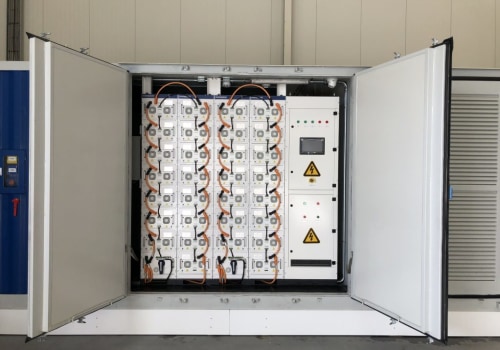
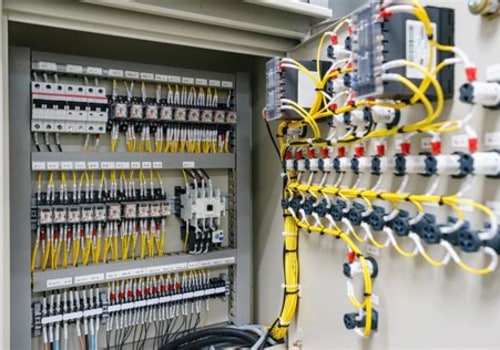
In the realm of industrial operations, industrial panels serve as critical components that facilitate the control and distribution of electrical power. These panels are essentially enclosures that house various electrical devices, including circuit breakers, switches, and relays, all designed to manage the flow of electricity within a facility. Understanding what an industrial panel is and its various types is essential for anyone involved in industrial panel installation, as it lays the groundwork for determining the appropriate size and capacity needed for specific applications. There are several types of industrial panels, each tailored to meet different operational needs. For instance, control panels are used to manage machinery and processes, while distribution panels focus on distributing electrical power to various circuits.
Additionally, motor control centers are specialized panels designed to control electric motors. Each type serves a unique function, making it imperative to select the right panel based on the specific requirements of your industrial environment. The functions of industrial panels extend beyond mere power distribution; they also play a vital role in ensuring safety and efficiency within an operation. By housing protective devices and monitoring systems, these panels help prevent electrical failures and hazards. Therefore, understanding the types and functions of industrial panels is crucial for making informed decisions about their size and capacity during installation.
This knowledge not only enhances operational efficiency but also ensures compliance with safety standards, ultimately contributing to a more reliable industrial setup.
Factors Influencing Size and Capacity
When determining the appropriate size and capacity for an industrial panel installation, several critical factors come into play. Understanding these factors ensures that the panel can effectively meet operational demands while maintaining safety and efficiency.- Load Requirements: The primary consideration is the load that the panel will need to support. This includes both the electrical load and any mechanical loads that may be present. It is essential to calculate the total amperage and voltage requirements of all connected devices to ensure the panel can handle the maximum expected load without overheating or failing.
- Environmental Conditions: The environment in which the panel will be installed significantly influences its size and capacity.
Factors such as temperature, humidity, and exposure to dust or corrosive substances must be considered. For instance, panels installed in harsh environments may require additional protective features, which can affect their overall dimensions.
- Application Specifics: Different applications may have unique requirements that dictate the size and capacity of the industrial panel. For example, a panel used in a manufacturing facility may need to accommodate more circuits than one used in a commercial setting. Understanding the specific application helps in selecting a panel that not only fits but also enhances operational efficiency.
If there is a possibility of adding more equipment or increasing load requirements down the line, opting for a slightly larger panel can save time and resources in the long run.In summary, evaluating load requirements, environmental conditions, and application specifics are vital steps in determining the appropriate size and capacity for an industrial panel installation. By carefully considering these factors, businesses can ensure reliable performance and longevity of their electrical systems.
Calculating Load Requirements
Determining the appropriate size and capacity for an industrial panel begins with a thorough understanding of the electrical load requirements. This process is essential to ensure that the panel can handle the demands of the equipment it will serve. Here’s a detailed guide on how to calculate these load requirements effectively.Understanding Load Types
Before diving into calculations, it’s important to recognize the different types of loads:- Continuous Loads: These are loads that operate for three hours or more.
Examples include motors and lighting systems.
- Non-Continuous Loads: These loads operate for less than three hours. Examples include heating elements and certain machinery.
Load Calculation Methods
There are several methods to calculate the load for industrial panels:- Additive Method: This method involves summing up the wattage of all devices connected to the panel. Ensure to account for both continuous and non-continuous loads.
- Diversity Factor: This approach considers that not all devices will operate simultaneously. By applying a diversity factor, you can reduce the total calculated load, leading to a more efficient panel size.
- Demand Factor: Similar to diversity, this factor accounts for peak usage times and helps in estimating a more realistic load requirement.
Calculating Total Load
The total load can be calculated using the formula:Total Load (kW) = (Sum of Continuous Loads + Sum of Non-Continuous Loads) × Demand Factor
This calculation will provide a clear picture of the required capacity for your industrial panel.
It’s crucial to ensure that the panel is rated above this total load to accommodate any future expansions or unexpected surges in demand.In conclusion, accurately calculating the electrical load requirements is vital for successful industrial panel installation. By understanding load types and employing effective calculation methods, you can ensure that your industrial panel is appropriately sized and capable of handling operational demands efficiently.
Choosing the Right Size for Your Application
When it comes to industrial panel installation, selecting the right size is crucial for ensuring optimal performance and efficiency. The size of an industrial panel can significantly impact its functionality, safety, and integration with existing systems. Here are some key considerations to guide you in choosing the appropriate size for your application.- Application Requirements: Begin by assessing the specific requirements of your application.
Consider factors such as the type of machinery, the environment in which the panel will operate, and any regulatory standards that must be met. For instance, panels used in high-temperature environments may need to be larger to accommodate additional cooling systems.
- Load Capacity: Evaluate the load capacity that your panel needs to support. This includes not only the electrical load but also any additional equipment that may be housed within the panel. A well-sized panel will prevent overheating and ensure longevity.
- Future Expansion: Anticipate future needs by considering potential expansions or upgrades.
Choosing a slightly larger panel than currently necessary can save time and resources down the line, allowing for easier integration of new components without requiring a complete overhaul.
- Space Constraints: Measure the physical space where the panel will be installed. Ensure that there is adequate room for installation, maintenance, and ventilation. A cramped installation can lead to operational issues and safety hazards.
- Accessibility: Ensure that the panel is sized appropriately for easy access. This includes considering door swings, clearance for maintenance personnel, and space for tools and equipment needed during servicing.
By taking these factors into account, you can ensure a successful industrial panel installation that meets both current and future operational demands.
Capacity Considerations for Industrial Panels
When it comes to industrial panel installation, understanding the capacity of the panel is crucial for ensuring optimal performance and safety. The capacity of an industrial panel refers to its ability to handle electrical loads without overheating or failing. This section will explore how to determine the appropriate capacity based on your specific needs.Determining Capacity Needs
- Assess Load Requirements: Begin by evaluating the total electrical load that the panel will need to support. This includes all machinery, lighting, and other electrical devices that will be connected to the panel.
- Consider Future Expansion: It’s wise to account for potential future growth in your operations.
If you anticipate adding more equipment or increasing power demands, choose a panel with a higher capacity than your current needs.
- Consult Manufacturer Specifications: Each industrial panel comes with specific ratings and guidelines provided by the manufacturer. These specifications can help you understand the maximum load the panel can handle safely.
Capacity vs. Size in Panels
The relationship between capacity and size in industrial panels is significant. While larger panels often have higher capacities, this is not always the case.
Factors such as design, materials used, and internal configuration also play a role in determining capacity. Therefore, it’s essential to:
- Evaluate Panel Design: Look for panels designed with efficient heat dissipation and adequate space for wiring and components, as these features can enhance overall capacity.
- Understand Electrical Codes: Familiarize yourself with local electrical codes and standards that may dictate minimum capacity requirements for specific applications.
Common Mistakes to Avoid in Panel Sizing and Capacity Planning
When it comes to industrial panel installation, proper sizing and capacity planning are crucial for ensuring efficiency and safety. However, several common mistakes can lead to significant issues down the line.Here are some pitfalls to avoid:
- Underestimating Load Requirements: One of the most frequent errors is failing to accurately assess the load requirements of the equipment that will be connected to the panel. This can result in overheating, tripped breakers, or even equipment failure.
- Ignoring Future Expansion: Many installations focus solely on current needs without considering future growth. It’s essential to plan for potential increases in load or additional equipment that may be added later.
- Neglecting Environmental Factors: The environment where the panel will be installed plays a significant role in its sizing. Factors such as temperature, humidity, and exposure to dust or chemicals can affect performance and longevity.
- Overlooking Manufacturer Specifications: Each industrial panel comes with specific guidelines from the manufacturer regarding its capacity and usage.
Ignoring these specifications can lead to improper installation and operational issues.
- Failing to Consult with Experts: Relying solely on personal judgment without consulting with electrical engineers or industry experts can lead to critical mistakes in sizing and capacity planning.
FAQs About Industrial Panel Installation Size and Capacity
When considering industrial panel installation, several common questions arise regarding the appropriate size and capacity of the panels. Below are some frequently asked questions that can help clarify these important aspects.What factors influence the size of an industrial panel?
The size of an industrial panel is influenced by various factors, including:- Load Requirements: The total electrical load that the panel needs to support is a primary factor. This includes all connected devices and machinery.
- Space Availability: The physical space where the panel will be installed can limit its size.
Ensure there is adequate room for installation and maintenance.
- Future Expansion: Consideration for future growth or additional equipment can necessitate a larger panel size to accommodate potential increases in load.
How do I determine the capacity needed for my industrial panel?
To determine the necessary capacity for your industrial panel, follow these steps:- Calculate Total Load: Add up the wattage of all devices that will be connected to the panel.
- Consider Diversity Factor: Not all devices will operate simultaneously at full capacity. Apply a diversity factor to estimate realistic load requirements.
- Consult Standards: Refer to local electrical codes and standards, which may dictate minimum capacity requirements based on your specific application.
What are the consequences of choosing the wrong size or capacity?
Selecting an incorrect size or capacity for your industrial panel can lead to several issues, including:- Overloading: A panel that is too small may become overloaded, leading to tripped breakers or even fire hazards.
- Inefficiency: An oversized panel can result in wasted energy and increased operational costs.
- Increased Maintenance: Improper sizing can lead to more frequent maintenance needs and potential downtime for repairs.
Conclusion: Key Takeaways for Industrial Panel Installation
In conclusion, determining the appropriate size and capacity for an industrial panel installation is crucial for ensuring optimal performance and safety. Here are the key takeaways to consider:- Understand Load Requirements: Assess the total electrical load that the panel will need to support. This includes not only the current demand but also potential future expansions.
- Consider Environmental Factors: The installation environment can significantly impact the panel's performance.
Factors such as temperature, humidity, and exposure to chemicals should be evaluated to select materials and designs that can withstand these conditions.
- Follow Industry Standards: Adhering to local codes and industry standards is essential. These regulations provide guidelines on sizing and capacity, ensuring safety and compliance.
- Consult with Professionals: Engaging with experienced electricians or engineers can provide valuable insights into the specific needs of your installation. Their expertise can help avoid costly mistakes.
- Plan for Future Growth: When sizing your industrial panel, consider not just current needs but also potential future expansions. This foresight can save time and resources in the long run.