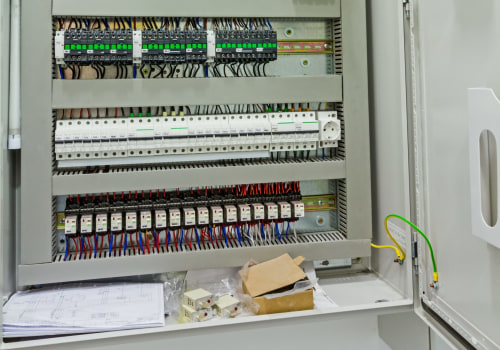
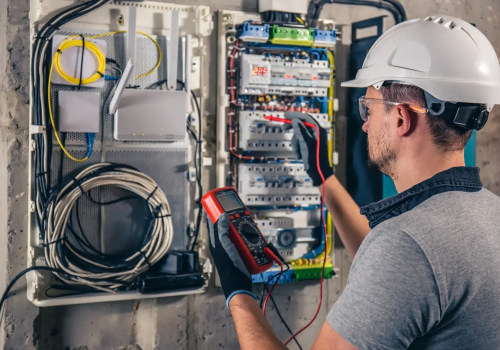
In the realm of industrial panel installation, understanding the foundational elements is crucial for ensuring both safety and functionality. Industrial panels serve as the nerve center for electrical systems, managing power distribution and protecting equipment from overloads and faults. However, one of the most critical aspects often overlooked is the importance of proper grounding. Grounding not only safeguards personnel from electrical shocks but also enhances the overall reliability of the electrical system. When installing industrial panels, grounding acts as a protective measure that directs excess electricity safely into the ground, preventing potential hazards such as electrical fires or equipment damage.
This is particularly vital in industrial settings where heavy machinery and sensitive electronic devices operate simultaneously. A well-grounded panel can significantly reduce the risk of electrical interference, ensuring that all components function optimally and reducing downtime caused by electrical failures. Moreover, adhering to grounding standards is not just a matter of compliance; it is a commitment to electrical safety. Proper grounding techniques can mitigate risks associated with lightning strikes and power surges, which are common in industrial environments. As we delve deeper into the specifics of industrial panel installation, it becomes evident that grounding is not merely an afterthought but a fundamental practice that underpins the integrity and safety of electrical systems.
The Importance of Grounding in Electrical Systems
Grounding is a fundamental aspect of industrial panel installation that cannot be overlooked.It serves as a critical safety measure, ensuring that electrical systems operate effectively while minimizing the risk of electrical shock and equipment damage. Proper grounding provides a path for fault currents to safely dissipate into the earth, thereby protecting both personnel and equipment.One of the primary reasons for implementing effective grounding is to comply with safety standards. Regulatory bodies such as the National Electrical Code (NEC) outline specific grounding requirements that must be adhered to during installation. These standards are designed to prevent hazardous situations that could arise from electrical faults, such as short circuits or lightning strikes.Improper grounding can lead to several potential hazards:
- Electrical Shock: Without proper grounding, individuals working near electrical panels are at a higher risk of receiving electric shocks, which can be fatal.
- Equipment Damage: Faulty grounding can cause voltage surges that may damage sensitive electronic components within industrial panels.
- Fire Hazards: Accumulated fault currents due to inadequate grounding can generate heat, leading to fires in extreme cases.
It helps stabilize voltage levels and reduces electromagnetic interference, which is crucial in industrial environments where precision is key. By ensuring that all components are properly grounded, you not only protect your workforce but also extend the lifespan of your equipment.In conclusion, the importance of grounding in industrial panel installation cannot be overstated. Adhering to established safety standards and understanding the potential hazards associated with improper grounding are essential steps in creating a safe and efficient electrical system.
Key Components of Grounding Systems
Ensuring proper grounding during industrial panel installation is crucial for the safety and efficiency of electrical systems. The grounding system consists of several key components that work together to provide a reliable path for fault currents and to protect both equipment and personnel.- Grounding Electrodes: These are conductive elements that connect the grounding system to the earth.
Common types of grounding electrodes include:
- Ground Rods: Typically made of copper or galvanized steel, these rods are driven into the ground to establish a direct connection with the earth.
- Ground Plates: Flat metal plates buried underground, providing a larger surface area for grounding.
- Concrete-Encased Electrode: Often used in building foundations, this type involves rebar or other conductive materials embedded in concrete.
- Grounding Conductors: These are wires or cables that connect the grounding electrodes to the electrical panels and equipment. They must be sized appropriately based on the expected fault current and the length of the run. Key considerations include:
- Material: Copper is preferred for its conductivity, but aluminum can also be used in certain applications.
- Size: The size of the grounding conductor should comply with local codes and standards, ensuring it can safely carry fault currents without overheating.
By understanding these key components—grounding electrodes and conductors—professionals can enhance safety during industrial panel installation, minimizing risks associated with electrical faults.
Steps for Proper Grounding During Industrial Panel Installation
Ensuring proper grounding during industrial panel installation is crucial for safety and functionality. Follow these steps to achieve effective grounding:- Understand Grounding Requirements: Familiarize yourself with local electrical codes and standards that dictate grounding practices. This knowledge will guide your installation process and ensure compliance.
- Select Appropriate Grounding Conductors: Choose the right size and type of grounding conductors based on the panel's capacity and the length of the run. Copper and aluminum are common materials used for grounding conductors.
- Establish a Grounding Electrode System: Install a grounding electrode system, which may include ground rods, plates, or concrete-encased electrodes.
Ensure that these electrodes are driven deep enough into the ground to provide a low-resistance path for fault currents.
- Connect Grounding Conductors: Securely connect the grounding conductors to the grounding bus bar within the panel. Use appropriate connectors to ensure a solid electrical connection, minimizing resistance.
- Bond All Equipment: Bond all metallic components of the panel, including enclosures and conduit systems, to the grounding system. This step prevents potential differences that could lead to electrical shock hazards.
- Test Grounding System: After installation, test the grounding system using a megohmmeter or ground resistance tester. Ensure that resistance values are within acceptable limits to confirm effective grounding.
- Document Your Work: Keep detailed records of your grounding installation, including diagrams and test results.
This documentation can be invaluable for future maintenance or inspections.
Common Grounding Mistakes to Avoid
When it comes to industrial panel installation, ensuring proper grounding is crucial for safety and functionality. However, several common mistakes can compromise the effectiveness of the grounding system. Here are some frequent errors to avoid:- Inadequate Grounding Electrode System: One of the most significant mistakes is failing to install a sufficient grounding electrode system. This can lead to poor grounding performance.
Always ensure that the grounding electrodes meet local codes and standards.
- Using Improper Grounding Conductors: Selecting the wrong type or size of grounding conductors can result in inadequate grounding. It’s essential to use conductors that are appropriately rated for the application and environment.
- Neglecting Connections: Loose or corroded connections can severely impact grounding effectiveness. Regularly inspect all connections and ensure they are tight and free from corrosion.
- Ignoring Grounding Path Integrity: A common oversight is not verifying the integrity of the grounding path. Any breaks or interruptions in the path can lead to dangerous situations.
Conduct routine checks to ensure continuity.
- Overlooking Equipment Bonding: Failing to bond equipment properly can create potential differences that may lead to electrical shock hazards. Ensure all metallic parts are bonded to the grounding system.
- Conduct a thorough inspection of all grounding components.
- Utilize testing equipment to measure ground resistance and continuity.
- Review installation practices against industry standards and guidelines.
Testing and Verifying Grounding Effectiveness
Ensuring the effectiveness of grounding systems during industrial panel installation is crucial for safety and compliance with electrical standards. Various methods can be employed to test and verify grounding effectiveness, each serving a specific purpose in the overall assessment.Grounding Testing Methods
- Resistance Testing: This method measures the resistance of the grounding system using an ohmmeter. A low resistance value (typically below 5 ohms) indicates a good ground connection.
- Grounding Electrode System Testing: This involves testing the entire grounding electrode system to ensure it meets local codes and standards.
Techniques such as the fall-of-potential method are commonly used.
- Continuity Testing: This test checks for continuity in the grounding conductors, ensuring that there are no breaks or high-resistance connections that could compromise safety.
Verifying Grounding Effectiveness
After conducting tests, it is essential to verify that the grounding system operates effectively under various conditions. This can include:- Load Testing: Assessing how the grounding system performs under normal and fault conditions helps identify potential weaknesses.
- Periodic Inspections: Regular inspections and testing should be scheduled to ensure ongoing compliance with safety standards and to address any degradation over time.
Electrical Testing Standards
Compliance with established electrical testing standards, such as those set by the National Electrical Code (NEC) and the Institute of Electrical and Electronics Engineers (IEEE), is vital. These standards provide guidelines for:- The minimum resistance values for grounding systems.
- The frequency of testing and inspection protocols.
- The documentation required to demonstrate compliance.
Frequently Asked Questions about Grounding in Industrial Panel Installation
Grounding is a critical aspect of industrial panel installation, and many professionals have questions regarding its best practices. Below are some frequently asked questions that can help clarify common concerns.What is the purpose of grounding in industrial panels?
Grounding serves multiple purposes in industrial panel installations.Primarily, it provides a safe path for electrical currents to dissipate in the event of a fault, protecting both equipment and personnel. Additionally, proper grounding helps to minimize electrical noise, which can interfere with sensitive electronic equipment.
How do I determine the appropriate grounding method for my installation?
The appropriate grounding method depends on several factors, including the type of equipment being used, local codes, and environmental conditions. It is essential to consult the National Electrical Code (NEC) and any local regulations to ensure compliance. Common methods include:- Ground rods: Driven into the earth to provide a direct connection to the ground.
- Ground plates: Used in areas where soil conditions make ground rods less effective.
- Grounding conductors: Wires that connect equipment to the grounding system.
What are common mistakes to avoid during grounding?
A few common mistakes can compromise the effectiveness of grounding in industrial panel installations.These include:
- Inadequate connections: Ensure all connections are tight and corrosion-free.
- Neglecting local codes: Always adhere to local regulations and standards.
- Using undersized conductors: Select conductors that can handle potential fault currents.
Conclusion: Best Practices for Safe Industrial Panel Installation
In conclusion, ensuring proper grounding during industrial panel installation is crucial for the safety and efficiency of electrical systems. Throughout this article, we have highlighted several best practices that should be adhered to in order to achieve optimal grounding.Key Best Practices:- Understand Local Codes: Always familiarize yourself with local electrical codes and regulations, as they provide essential guidelines for grounding requirements.
- Select Appropriate Grounding Methods: Choose the right grounding method based on the specific needs of your installation, whether it be a ground rod, ground plate, or a combination of methods.
- Use Quality Materials: Invest in high-quality grounding conductors and connectors to ensure durability and reliability over time.
- Regular Inspections: Conduct routine inspections of the grounding system to identify any potential issues before they escalate into serious problems.
As you move forward with your industrial panel installation, keep these principles in mind to ensure a secure and compliant setup.