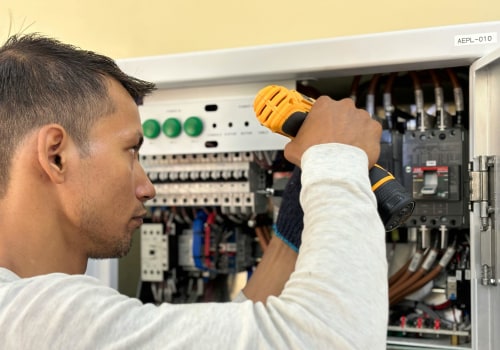
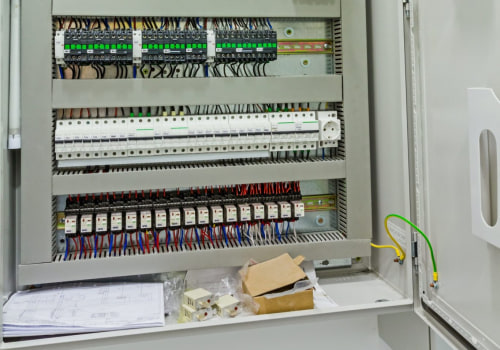
In the realm of industrial panel installation, understanding the various regulations and codes is not just a matter of compliance; it is essential for ensuring safety, efficiency, and longevity of the systems in place. These regulations are designed to protect both the workers who install and maintain these panels and the facilities that rely on them for operational success. As industries evolve and technology advances, staying informed about the latest codes becomes increasingly critical.Compliance with industrial panel installation regulations can significantly impact project timelines and budgets. Failure to adhere to these standards can lead to costly delays, fines, or even hazardous situations that could jeopardize employee safety.
Therefore, it is imperative for contractors, engineers, and facility managers to familiarize themselves with local, state, and federal codes that govern electrical installations. This knowledge not only fosters a safer working environment but also enhances the overall reliability of the electrical systems.Moreover, understanding these regulations can provide a competitive edge in the industry. Clients are more likely to trust contractors who demonstrate a thorough knowledge of compliance requirements. As we delve deeper into this topic, we will explore specific codes that must be followed during industrial panel installation, highlighting their importance and implications for successful project execution.
Overview of Industrial Panel Installation
Industrial panel installation refers to the process of setting up various types of panels used in industrial settings, which can include electrical panels, control panels, and distribution panels.These installations are critical for managing electrical systems, ensuring safety, and optimizing operational efficiency.There are several types of industrial panels, each serving distinct purposes:
- Electrical Panels: These panels distribute electricity throughout a facility and protect circuits from overloads.
- Control Panels: Used to manage machinery and processes, control panels allow operators to monitor and adjust operations easily.
- Distribution Panels: These panels are responsible for distributing power to various circuits within a facility.
- Enhanced Safety: Properly installed panels reduce the risk of electrical hazards and ensure compliance with safety regulations.
- Improved Efficiency: Well-designed panels streamline operations, allowing for better control and monitoring of industrial processes.
- Scalability: Industrial panels can be designed to accommodate future expansions or modifications in the electrical system.
Key Regulations Governing Industrial Panel Installation
When it comes to industrial panel installation, adhering to specific regulations and codes is crucial for ensuring safety, reliability, and compliance. The primary framework governing these installations in the United States is the National Electrical Code (NEC), which sets the standard for safe electrical design, installation, and inspection.The NEC is updated every three years, reflecting advancements in technology and safety practices. It covers various aspects of electrical installations, including:- Wiring methods: Guidelines on how to properly install wiring to prevent hazards.
- Grounding requirements: Ensuring that electrical systems are properly grounded to minimize shock risks.
- Panelboard installation: Specifications on the placement and accessibility of panelboards to facilitate maintenance and emergency access.
These local codes can vary significantly from one jurisdiction to another, often addressing:
- Environmental considerations: Regulations that account for local climate conditions or environmental hazards.
- Building codes: Requirements that ensure the structural integrity of installations within industrial facilities.
- Permitting processes: Local authorities may require permits before installation begins, ensuring that all work complies with established standards.
Safety Standards and Compliance Requirements
When it comes to industrial panel installation, adhering to safety standards and compliance requirements is crucial for ensuring both worker safety and operational efficiency. Various regulations govern the installation process, with the Occupational Safety and Health Administration (OSHA) playing a pivotal role in establishing these guidelines.OSHA regulations
set forth specific requirements for electrical installations, including those related to industrial panels.These regulations are designed to minimize risks associated with electrical hazards, such as shock, fire, and equipment failure. Compliance with OSHA standards not only protects workers but also helps organizations avoid costly fines and legal issues.
- General Duty Clause: Employers must provide a workplace free from recognized hazards that could cause death or serious physical harm.
- Electrical Safety Standards: OSHA mandates adherence to the National Electrical Code (NEC), which outlines safe installation practices for electrical systems.
- Personal Protective Equipment (PPE): Workers must be equipped with appropriate PPE, such as insulated gloves and safety goggles, during installation activities.
By adhering to OSHA regulations and other relevant guidelines, companies can significantly reduce risks associated with electrical installations while promoting a safe working environment.
Permitting and Inspection Processes
When it comes to industrial panel installation, understanding the permitting and inspection processes is crucial for compliance and safety. These processes ensure that installations meet local, state, and federal regulations, which can vary significantly depending on the location and type of installation.Permitting Process for Industrial Panel Installation
- Research Local Regulations: Before starting any installation, it’s essential to research the specific regulations in your area. This may involve checking with local building departments or electrical boards.
- Submit Permit Applications: Most jurisdictions require a permit application to be submitted before installation begins. This application typically includes detailed plans of the proposed installation, including electrical schematics and load calculations.
- Pay Fees: There are usually fees associated with obtaining permits.
These fees can vary based on the complexity of the project and local regulations.
Inspection Requirements for Electrical Panels
- Initial Inspection: After the installation is complete, an initial inspection is often required. This inspection ensures that the installation complies with all relevant codes and standards.
- Final Approval: Once the inspection is passed, you will receive final approval, which may be necessary for operational permits or insurance purposes.
- Periodic Inspections: Depending on local laws, periodic inspections may be required to ensure ongoing compliance and safety of the installed panels.
How to Get Permits for Installations
- Consult Professionals: Engaging with licensed electricians or contractors who are familiar with local permitting processes can streamline your application.
- Prepare Documentation: Ensure that all necessary documentation, including plans and specifications, is prepared accurately to avoid delays in the permitting process.
- Follow Up: After submission, follow up with the permitting office to check on the status of your application and address any issues that may arise promptly.
Common Mistakes to Avoid in Industrial Panel Installation
When it comes to industrial panel installation, avoiding common mistakes is crucial for ensuring compliance with regulations and maintaining safety standards. Here are some frequent pitfalls and how to steer clear of them:- Neglecting Local Codes: Each region may have specific codes that govern electrical installations. Failing to research and adhere to these can lead to significant compliance issues.
Always check local regulations before starting your project.
- Improper Sizing of Panels: Using panels that are too small for the intended load can result in overheating and potential failure. Ensure that the panel is appropriately sized for the electrical demands of the facility.
- Inadequate Grounding: Grounding is essential for safety in any electrical installation. Skipping this step or doing it incorrectly can lead to dangerous situations. Always follow grounding requirements as outlined in the National Electrical Code (NEC).
- Poor Wiring Practices: Incorrect wiring can cause short circuits or equipment damage.
Use high-quality materials and follow best practices for wiring, including proper color coding and secure connections.
- Ignoring Manufacturer Instructions: Each panel comes with specific installation guidelines from the manufacturer. Ignoring these instructions can void warranties and lead to unsafe conditions. Always read and follow the manufacturer's recommendations.
- Verification of local code compliance
- Panel size assessment based on load calculations
- Grounding verification
- Wiring quality checks
- Review of manufacturer guidelines
Frequently Asked Questions about Industrial Panel Installation Regulations
When it comes to industrial panel installation, understanding the relevant regulations and codes is crucial for ensuring safety and compliance.Here are some frequently asked questions that address common concerns:
- What are the primary regulations governing industrial panel installations?
The National Electrical Code (NEC) is one of the most significant regulations that governs electrical installations, including industrial panels. Additionally, local building codes and safety standards set by organizations such as the Occupational Safety and Health Administration (OSHA) may also apply. - Do I need a permit for industrial panel installation?
Yes, in most cases, a permit is required for industrial panel installation. This ensures that the installation meets local codes and safety standards. Always check with your local authority to confirm specific requirements. - What are the consequences of non-compliance?
Failing to comply with regulations can lead to serious consequences, including fines, legal action, and increased liability in case of accidents.Moreover, non-compliant installations can pose significant safety risks.
- How can I ensure compliance during installation?
To ensure compliance, it is advisable to work with licensed electricians who are familiar with local codes and regulations. Additionally, conducting regular inspections during the installation process can help identify potential issues early on. - Are there specific materials required for industrial panels?
Yes, certain materials must meet specific standards set by regulatory bodies. For instance, panels should be made from materials that are fire-resistant and suitable for the environment in which they will be installed.
Conclusion: Ensuring Compliance in Industrial Panel Installations
In conclusion, industrial panel installation is a critical process that requires strict adherence to various regulations and codes to ensure safety, efficiency, and compliance. Throughout this article, we have highlighted the importance of understanding the specific standards that govern this field, including the National Electrical Code (NEC), Occupational Safety and Health Administration (OSHA) guidelines, and local building codes.Failure to comply with these regulations can lead to serious consequences, including safety hazards, legal liabilities, and costly project delays.Therefore, it is essential for professionals involved in industrial panel installations to stay informed about the latest updates in regulations and best practices.
- National Electrical Code (NEC): This code outlines the minimum requirements for safe electrical installations, including panel installations.
- OSHA Standards: These guidelines ensure workplace safety during installation processes, protecting workers from potential hazards.
- Local Building Codes: These codes may vary by location and often include additional requirements specific to the region.