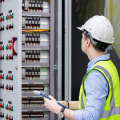
In the realm of industrial operations, industrial panels serve as critical components that facilitate the control and distribution of electrical power. These panels are not merely functional; they are integral to the safety and efficiency of various industrial processes. From manufacturing plants to energy facilities, the role of these panels cannot be overstated. They house essential electrical components, including circuit breakers, relays, and control systems, which are vital for maintaining operational integrity. However, the effectiveness of an industrial panel installation hinges significantly on proper ventilation.
Without adequate airflow, heat generated by electrical components can accumulate, leading to overheating and potential failure. This not only jeopardizes the performance of the panel but also poses serious safety risks, including fire hazards. Therefore, understanding the importance of ventilation in industrial panel setups is crucial for ensuring longevity and reliability. Moreover, proper ventilation contributes to energy efficiency by allowing systems to operate within their optimal temperature ranges. This can lead to reduced energy costs and extended equipment lifespan.
As industries continue to evolve and demand higher performance from their electrical systems, prioritizing ventilation in industrial panel installations becomes increasingly essential. In this article, we will explore effective strategies for ensuring proper ventilation in industrial panels, highlighting best practices that can enhance both safety and efficiency.
The Role of Ventilation in Industrial Panel Installation
Proper ventilation is a critical aspect of industrial panel installation, as it directly impacts the performance and longevity of the equipment housed within these panels. Without adequate airflow, heat can build up, leading to overheating and potential failure of electrical components. This section explores the importance of ventilation in industrial panels and how to ensure optimal conditions for your installations.Importance of Ventilation
- Heat Dissipation: Industrial panels often contain high-powered electrical devices that generate significant heat during operation.
Effective ventilation helps dissipate this heat, maintaining a safe operating temperature.
- Equipment Longevity: Overheating can shorten the lifespan of electrical components. By ensuring proper ventilation, you can enhance the durability and reliability of your equipment.
- Safety Considerations: Poorly ventilated panels can pose safety risks, including fire hazards. Adequate airflow reduces the risk of ignition and ensures compliance with safety regulations.
- Design Considerations: During the design phase, consider the placement of vents and fans to facilitate optimal airflow. Ensure that there are no obstructions that could impede ventilation.
- Use of Cooling Systems: In environments where heat generation is particularly high, integrating cooling systems such as air conditioning or specialized cooling fans can be beneficial.
- Regular Maintenance: Schedule routine inspections to ensure that ventilation systems are functioning correctly.
Clean filters and vents to prevent dust buildup that can restrict airflow.
Key Factors to Consider for Proper Ventilation
Ensuring proper ventilation during industrial panel installation is crucial for maintaining optimal performance and safety. Several key factors must be considered to achieve effective ventilation.- Panel Location: The placement of the industrial panel significantly affects airflow. Panels should be installed in areas with minimal obstructions to allow for free movement of air.
Avoiding corners or enclosed spaces can help facilitate better ventilation.
- Ambient Temperature: The surrounding temperature plays a vital role in the efficiency of the panel. High ambient temperatures can lead to overheating, which may compromise the panel's functionality. It is essential to monitor and control the temperature in the installation area, possibly using cooling systems or heat exchangers.
- Airflow Requirements: Understanding the specific airflow needs of the industrial panel is critical. Each panel has a recommended airflow rate that must be maintained to ensure proper cooling.
This can be achieved through natural ventilation, mechanical ventilation systems, or a combination of both.
- Humidity Levels: High humidity can lead to condensation within the panel, potentially causing electrical failures. Installing dehumidifiers or ensuring adequate drainage can help manage moisture levels effectively.
- Maintenance Access: Ensure that there is sufficient space around the panel for maintenance activities. This not only aids in regular upkeep but also allows for better airflow around the unit.
Types of Ventilation Systems for Industrial Panels
When it comes to industrial panel installation, ensuring proper ventilation is crucial for maintaining optimal performance and longevity of the equipment. There are two primary types of ventilation systems to consider: mechanical ventilation and natural ventilation.Mechanical Ventilation
Mechanical ventilation systems utilize fans and blowers to actively circulate air within the industrial panel environment.This method is particularly effective in areas where heat generation is significant, as it can quickly remove hot air and replace it with cooler air. Some common types of mechanical ventilation systems include:
- Exhaust Fans: These fans expel hot air from the panel, creating a negative pressure that draws in cooler air from outside.
- Supply Fans: These introduce fresh air into the panel, ensuring a constant flow of cool air.
- HVAC Systems: Heating, Ventilation, and Air Conditioning systems can be integrated to maintain a controlled environment, especially in sensitive applications.
Natural Ventilation
Natural ventilation, on the other hand, relies on passive airflow through openings such as windows, vents, or louvers. This method is often more energy-efficient and cost-effective but may not provide sufficient cooling in high-heat environments. Key features of natural ventilation include:- Stack Effect: Warm air rises and escapes through higher openings, allowing cooler air to enter from lower openings.
- Cross Ventilation: This occurs when air flows through the space from one side to another, promoting effective cooling.
- Wind-Driven Ventilation: Utilizing prevailing winds to enhance airflow through strategically placed openings.
In many cases, a combination of both systems may provide the best results, ensuring that the industrial panels operate efficiently while minimizing energy consumption.
Best Practices for Ensuring Adequate Ventilation
Ensuring adequate ventilation during industrial panel installation is crucial for maintaining equipment efficiency and safety. Here are some best practices to follow:- Assess the Environment: Before installation, evaluate the workspace for potential airflow obstructions. Identify areas where heat may accumulate and ensure that there is a clear path for air circulation.
- Utilize Ventilation Systems: Implement mechanical ventilation systems such as exhaust fans or air conditioning units to facilitate air movement. These systems can help regulate temperature and remove harmful fumes generated during installation.
- Incorporate Natural Ventilation: If possible, take advantage of natural ventilation by opening windows or doors to allow fresh air to flow in.
This can be particularly effective in large, open spaces.
- Monitor Temperature and Humidity: Use thermometers and hygrometers to keep track of temperature and humidity levels. Maintaining optimal conditions can prevent overheating of equipment and ensure a safe working environment.
- Install Panels with Airflow Considerations: When positioning industrial panels, ensure that there is sufficient space around them for air to circulate freely. Avoid placing panels too close to walls or other equipment that may block airflow.
- Regular Maintenance: Schedule routine checks on ventilation systems to ensure they are functioning properly. Clean filters and ducts regularly to prevent dust buildup, which can hinder airflow.
Common Mistakes to Avoid in Ventilation Setup
When it comes to industrial panel installation, ensuring proper ventilation is crucial for maintaining optimal performance and longevity of the equipment.However, there are several common mistakes that can compromise the effectiveness of your ventilation setup. Here are some pitfalls to avoid:
- Inadequate Airflow: One of the most frequent errors is not providing sufficient airflow around the industrial panel. Ensure that there is enough space for air to circulate freely, as restricted airflow can lead to overheating and equipment failure.
- Ignoring Manufacturer Guidelines: Each industrial panel comes with specific ventilation requirements outlined by the manufacturer. Failing to adhere to these guidelines can result in improper installation and potential damage.
Always consult the documentation before proceeding.
- Improper Placement of Vents: The placement of vents is critical. Avoid positioning them in areas where they may be blocked by other equipment or structures. Instead, ensure that vents are strategically located to facilitate optimal air exchange.
- Neglecting Regular Maintenance: Ventilation systems require regular maintenance to function effectively. Dust and debris can accumulate over time, obstructing airflow.
Schedule routine inspections and cleanings to keep your system in top shape.
- Overlooking Temperature Monitoring: Failing to monitor the temperature within the panel can lead to overheating issues. Implement temperature sensors that alert you when conditions exceed safe limits, allowing for timely interventions.
FAQs About Ventilation for Industrial Panels
When it comes to industrial panel installation, ensuring proper ventilation is crucial for the longevity and efficiency of the equipment. Here are some frequently asked questions regarding ventilation:- Why is ventilation important for industrial panels?
Proper ventilation helps to dissipate heat generated by electrical components, preventing overheating and potential failures.It also reduces humidity levels, which can lead to corrosion and other damage.
- What are the signs of inadequate ventilation?
Common signs include excessive heat buildup, condensation inside the panel, and frequent tripping of circuit breakers. If you notice these issues, it may be time to reassess your ventilation strategy. - How can I improve ventilation in my industrial panel?
Consider installing fans, vents, or air conditioning units specifically designed for electrical enclosures. Additionally, ensure that there is adequate space around the panel for air circulation. - Are there specific codes or standards for ventilation in industrial panels?
Yes, various industry standards such as NEMA (National Electrical Manufacturers Association) provide guidelines on ventilation requirements based on the type of equipment and its environment. Always consult these standards during industrial panel installation.
Conclusion: The Importance of Proper Ventilation in Industrial Panel Installations
In conclusion, ensuring proper ventilation during industrial panel installations is not just a best practice; it is a critical component that can significantly impact the performance and longevity of the equipment.As we have discussed, inadequate ventilation can lead to overheating, which in turn can cause equipment failure and increased maintenance costs.To summarize the key points:
- Heat Management: Proper ventilation helps dissipate heat generated by electrical components, maintaining optimal operating temperatures.
- Moisture Control: Adequate airflow reduces humidity levels, preventing corrosion and damage to sensitive electronic parts.
- Air Quality: Good ventilation ensures that dust and contaminants are minimized, which is essential for the reliability of industrial panels.
- Compliance with Standards: Many industry regulations require specific ventilation standards to ensure safety and efficiency.
- Natural Ventilation: Utilize openings and vents to allow for passive airflow.
- Mechanical Ventilation: Implement fans or blowers to enhance air circulation, especially in enclosed spaces.
- Thermal Management Systems: Invest in systems designed specifically for heat dissipation, such as heat exchangers or cooling units.