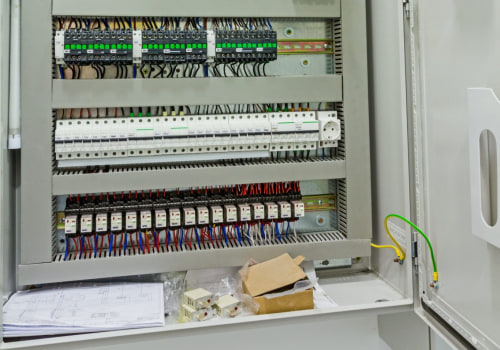
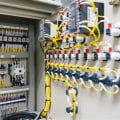
Industrial panels are essential components in various sectors, serving as the backbone for electrical distribution, control systems, and automation processes. These panels are designed to house electrical components such as circuit breakers, relays, and control devices, ensuring that operations run smoothly and safely. Understanding what an industrial panel is and its functionalities is crucial for businesses looking to optimize their operations. There are several types of industrial panels, each tailored to meet specific operational needs. For instance, control panels are used to manage machinery and processes, while distribution panels focus on distributing electrical power throughout a facility.
Additionally, motor control centers are specialized panels that control electric motors, providing a centralized location for monitoring and managing motor functions. Each type of panel comes with unique features that cater to different industrial requirements. When considering industrial panel installation, it’s important to recognize the various features that can enhance functionality and safety. Features such as environmental protection, customizable layouts, and advanced monitoring systems can significantly impact the efficiency of operations. As industries evolve, the demand for customized solutions grows, prompting manufacturers to offer tailored options that align with specific operational needs.
This customization not only improves performance but also ensures compliance with industry standards and regulations.
The Importance of Customization in Industrial Panel Installation
Customization in industrial panel installation is not just a luxury; it is a necessity that can significantly impact operational efficiency and safety. Each industry has unique requirements, and a one-size-fits-all approach often falls short. By tailoring industrial panels to specific needs, businesses can ensure that their systems operate at peak performance.Benefits of Customized Industrial Panels
- Improved Efficiency: Customized panels can be designed to optimize workflow and reduce downtime. By integrating specific components that align with operational processes, companies can enhance productivity.
- Enhanced Safety: Safety is paramount in industrial settings.
Custom panels can include features such as emergency shut-off switches and safety interlocks tailored to the specific hazards of the environment, thereby minimizing risks.
- Compliance with Industry Standards: Different industries have varying regulations and standards. Customized panels can be built to meet these specific compliance requirements, ensuring that businesses avoid costly fines and legal issues.
- Scalability: As businesses grow, their needs evolve. Customized industrial panels can be designed with scalability in mind, allowing for easy upgrades and modifications without the need for complete overhauls.
Investing in customized solutions is a strategic move that pays dividends in safety, efficiency, and compliance.
Factors to Consider When Customizing Industrial Panels
When considering customization of industrial panels, several key factors must be taken into account to ensure that the final product meets specific operational needs and regulatory standards.Size and Dimensions
The first factor is the size and dimensions of the panel. Industrial environments often have unique spatial constraints, so it is crucial to measure the installation area accurately. Custom panels can be designed to fit snugly into available spaces, optimizing both functionality and aesthetics.Material Selection
The choice of material is another critical aspect. Different materials offer varying levels of durability, resistance to environmental factors, and weight considerations.For instance, stainless steel may be preferred for its corrosion resistance in harsh environments, while aluminum might be chosen for its lightweight properties.
Functionality Requirements
Functionality is paramount when customizing industrial panels. This includes determining the necessary features such as:- Control interfaces: Touchscreens, buttons, or remote access capabilities.
- Integration: Compatibility with existing systems and machinery.
- Safety features: Emergency shut-off switches or alarms.
Regulatory Compliance
Lastly, compliance with industry regulations cannot be overlooked. Depending on the application, there may be specific standards that the panel must meet, such as electrical safety codes or environmental regulations. Engaging with a knowledgeable supplier can help navigate these requirements effectively.In summary, customizing industrial panels involves careful consideration of size, material, functionality, and regulatory compliance.By addressing these factors, businesses can ensure that their industrial panel installation not only meets their immediate needs but also supports long-term operational efficiency.
Common Customization Options for Industrial Panels
When it comes to industrial panel installation, customization is key to ensuring that the panels meet specific operational needs and requirements. Various options are available for tailoring industrial panels, allowing businesses to enhance functionality, efficiency, and safety.Design Modifications
One of the primary customization options involves design modifications. This can include:- Size Adjustments: Panels can be manufactured in various sizes to fit unique spaces or equipment configurations.
- Material Selection: Depending on the environment, panels can be made from different materials such as stainless steel, aluminum, or plastic composites to withstand specific conditions.
- Color and Finish: Custom colors and finishes can be applied to match branding or improve visibility in a workspace.
Additional Features
Beyond basic design, additional features can significantly enhance the functionality of industrial panels. Some popular options include:- Integrated Displays: Touchscreens or LED displays can be incorporated for real-time monitoring and control.
- Custom Switches and Controls: Specific types of switches, buttons, or control mechanisms can be added based on user preferences.
- Safety Features: Emergency stop buttons, alarms, and other safety mechanisms can be integrated to comply with industry regulations.
Technology Integrations
The integration of advanced technology is another critical aspect of customization.Options include:
- IOT Connectivity: Panels can be equipped with sensors and connectivity options for remote monitoring and data collection.
- Automation Features: Custom panels can support automation systems, allowing for seamless operation within larger manufacturing processes.
- Software Compatibility: Ensuring that the panel is compatible with existing software systems for data management and operational efficiency.
The Process of Customizing and Installing Industrial Panels
Customizing and installing industrial panels is a meticulous process that requires careful planning and execution. The following steps outline the essential phases involved in this process, ensuring that the final installation meets specific operational needs.- Assessment of Requirements: Begin by evaluating the specific needs of your facility. This includes understanding the operational environment, load requirements, and any regulatory standards that must be met.
- Design Phase: Collaborate with engineers and designers to create a customized panel layout.
This phase should consider factors such as space constraints, accessibility, and future scalability.
- Material Selection: Choose appropriate materials based on durability, insulation properties, and compatibility with existing systems. High-quality materials can significantly enhance the longevity of the installation.
- Fabrication: Once the design is finalized, proceed with the fabrication of the industrial panels. This step may involve cutting, welding, and assembling components according to the specifications outlined in the design phase.
- Quality Control: Implement rigorous quality control measures during fabrication to ensure that all components meet industry standards and specifications. This step is crucial for preventing issues during installation.
- Installation Preparation: Before installation, prepare the site by ensuring that all necessary tools and equipment are available.
Clear any obstacles that may hinder the installation process.
- Installation: Follow best practices during installation to ensure safety and efficiency. This includes securing panels properly, connecting electrical components accurately, and conducting tests to verify functionality.
- Final Inspection: After installation, conduct a thorough inspection to ensure everything is functioning as intended. Address any discrepancies immediately to avoid future complications.
Case Studies: Successful Custom Industrial Panel Installations
Custom industrial panel installations have proven to be a game-changer for various industries, showcasing how tailored solutions can meet specific operational needs. Here are some notable case studies that highlight the effectiveness of customized industrial panels.Case Study 1: Automotive Manufacturing
In an automotive manufacturing plant, the existing control panels were not equipped to handle the increased automation demands. The company collaborated with a panel manufacturer to design a custom industrial panel that integrated advanced monitoring systems and real-time data analytics. This installation not only improved operational efficiency but also reduced downtime by 30%, demonstrating the impact of tailored solutions on productivity.Case Study 2: Food Processing Facility
A food processing facility faced challenges with compliance and safety regulations.They required a panel that could withstand harsh cleaning processes while maintaining precise temperature controls. By customizing their industrial panel with stainless steel enclosures and enhanced sealing, they achieved both compliance and operational reliability. The result was a significant reduction in maintenance costs and an increase in product quality.
Case Study 3: Renewable Energy Sector
A renewable energy company needed a robust solution for their solar panel installations.They opted for customized industrial panels that included integrated inverters and monitoring systems tailored to their specific energy output requirements. This customization led to a 15% increase in energy efficiency, proving that bespoke solutions can drive sustainability goals.
Conclusion
These case studies illustrate that industrial panel installation is not a one-size-fits-all approach. By investing in customized solutions, companies can address unique challenges, enhance operational efficiency, and achieve significant cost savings.The success stories from various sectors underscore the importance of tailoring industrial panels to meet specific needs and requirements.
Frequently Asked Questions About Industrial Panel Customization
When considering industrial panel customization, many questions arise regarding the specifics of installation and troubleshooting. Here are some frequently asked questions that can help clarify these concerns:- Can industrial panels be tailored to specific applications?
Yes, industrial panels can be customized to meet the unique requirements of various applications. This includes adjustments in size, configuration, and functionality to ensure optimal performance in your specific environment. - What factors should be considered during customization?
Key factors include the intended use of the panel, environmental conditions (such as temperature and humidity), and compliance with industry standards. Additionally, consider the integration with existing systems and any future scalability needs. - How does customization affect installation?
Customized panels may require specialized installation techniques or additional components.It is crucial to work with experienced professionals who understand the nuances of industrial panel installation to ensure a seamless process.
- What are common troubleshooting issues with customized panels?
Common issues may include connectivity problems, incorrect configurations, or compatibility issues with other equipment. Regular maintenance and monitoring can help identify these problems early. - Is support available for customized panels post-installation?
Most manufacturers offer ongoing support for customized panels, including troubleshooting assistance and maintenance services. It’s advisable to inquire about these services during the initial consultation.
Conclusion: Tailoring Industrial Panels to Meet Your Needs
In conclusion, the ability to customize industrial panels is not just a luxury but a necessity for many businesses aiming to optimize their operations. Throughout this article, we have explored how tailored solutions can significantly enhance the efficiency and functionality of industrial panel installations.Custom industrial panels can be designed to meet specific requirements, including:- Size and Configuration: Panels can be manufactured in various sizes and layouts to fit unique spaces and equipment.
- Material Selection: Depending on the environment, panels can be made from materials that resist corrosion, heat, or other harsh conditions.
- Functional Features: Customization allows for the integration of specific features such as advanced monitoring systems, user interfaces, and safety mechanisms.
- Aesthetic Considerations: Businesses can choose colors and finishes that align with their branding while maintaining functionality.
A well-designed panel not only improves operational efficiency but also enhances safety and compliance with industry standards. By investing in customized solutions, companies can ensure that their systems are not only effective but also adaptable to future needs.Ultimately, the decision to customize industrial panels should be guided by a thorough assessment of operational requirements and future growth potential. Engaging with experienced manufacturers who understand the nuances of industrial panel installation will lead to solutions that are both practical and innovative, setting the stage for long-term success.