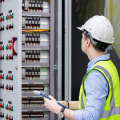
In the realm of modern industry, industrial panels play a pivotal role in ensuring operational efficiency and safety. These panels serve as the central hub for controlling and monitoring various electrical systems, machinery, and processes across diverse sectors such as manufacturing, energy, and automation. Understanding what an industrial panel is and its significance can greatly enhance the effectiveness of any industrial operation. At its core, an industrial panel is a pre-assembled unit that houses electrical components such as circuit breakers, relays, and control systems. The installation of industrial panels is crucial for streamlining workflows and safeguarding equipment from potential hazards.
By providing a structured environment for electrical connections, these panels not only facilitate easier maintenance but also contribute to the overall safety of the workplace. The purpose of industrial panels extends beyond mere functionality; they are integral to optimizing performance and ensuring compliance with industry standards. As industries evolve and embrace advanced technologies, the demand for sophisticated panel solutions continues to grow. This article will delve deeper into the various purposes of industrial panels and explore best practices for their installation, highlighting how they can transform operational capabilities.
What is an Industrial Panel?
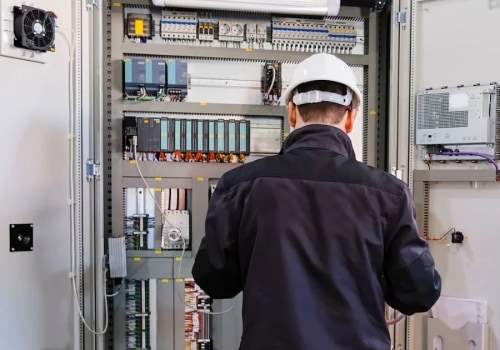
An industrial panel is a crucial component in various industrial settings, serving as a centralized hub for controlling and distributing electrical power. These panels are designed to manage the flow of electricity, ensuring that machinery and equipment operate efficiently and safely.Understanding the different types of industrial panels is essential for effective industrial panel installation and maintenance.
Types of Industrial Panels
- Control Panels: These panels are used to manage and control machinery operations. They often include switches, buttons, and indicators that allow operators to monitor performance and make adjustments as needed.
- Distribution Panels: These panels distribute electrical power to various circuits within a facility. They play a vital role in ensuring that power is allocated efficiently and safely across different areas of an industrial site.
- Motor Control Centers (MCCs): MCCs are specialized panels that control multiple motors from a single location. They provide protection, control, and monitoring for electric motors, making them essential in manufacturing environments.
- Switchgear: This type of panel is used to control, protect, and isolate electrical equipment.
Switchgear is critical for ensuring the safety of electrical systems by preventing overloads and short circuits.
- Power Distribution: Ensuring that electrical power is distributed evenly across various systems.
- Monitoring: Providing real-time data on electrical usage, which helps in identifying issues before they escalate.
- Control: Allowing operators to start, stop, or adjust machinery as needed.
- Protection: Safeguarding equipment from electrical faults through circuit breakers and fuses.
The Purpose of Industrial Panels
Industrial panels serve a multitude of critical functions in various industrial settings, primarily focusing on safety, control, monitoring, and efficiency. Understanding these purposes is essential for anyone involved in industrial panel installation or maintenance.Safety
- One of the foremost purposes of industrial panels is to enhance safety within the workplace. They house circuit breakers and fuses that protect electrical circuits from overloads and short circuits, thereby preventing potential hazards.
- Additionally, industrial panels often include emergency shut-off switches that allow for quick disconnection of power in case of an emergency, ensuring the safety of personnel and equipment.
Control
- Industrial panels provide centralized control over various machinery and processes.
Operators can manage multiple systems from a single location, streamlining operations and reducing the risk of human error.
- These panels often feature programmable logic controllers (PLCs) that automate processes, allowing for precise control over production lines and machinery.
Monitoring
- Another vital function of industrial panels is monitoring. They are equipped with gauges, meters, and digital displays that provide real-time data on system performance, helping operators identify issues before they escalate.
- This monitoring capability is crucial for maintaining optimal operational conditions and ensuring compliance with industry regulations.
Efficiency
- By integrating various functions into a single panel, industrial panels contribute to overall operational efficiency. They reduce the need for multiple control points, which can complicate processes and lead to inefficiencies.
- Moreover, modern industrial panels can be designed to optimize energy consumption, further enhancing efficiency and reducing operational costs.
Key Components of Industrial Panels
Industrial panels are integral to the functionality and safety of various industrial systems.Understanding the key components of these panels is essential for effective industrial panel installation and maintenance. Below are some of the primary parts found in industrial panels:
- Circuit Breakers: These devices protect electrical circuits from overloads and short circuits. They automatically interrupt the flow of electricity when a fault is detected, preventing damage to equipment and reducing fire hazards.
- Relays: Relays are electromagnetic switches that control the flow of electricity in a circuit. They allow low-power signals to control larger loads, making them crucial for automation and control systems.
- Contactors: Similar to relays, contactors are used to switch electrical circuits on and off.
They are designed to handle higher currents and are often used in motor control applications.
- Fuses: Fuses serve as a safety device that protects electrical circuits by melting and breaking the circuit when excessive current flows through them. They are essential for preventing equipment damage.
- Terminal Blocks: These components provide a convenient way to connect wires within the panel. They help organize connections and ensure safe, reliable electrical connections.
- Power Supplies: Power supplies convert electrical energy from one form to another, ensuring that all components within the panel receive the correct voltage and current needed for operation.
Industrial Panel Installation Process
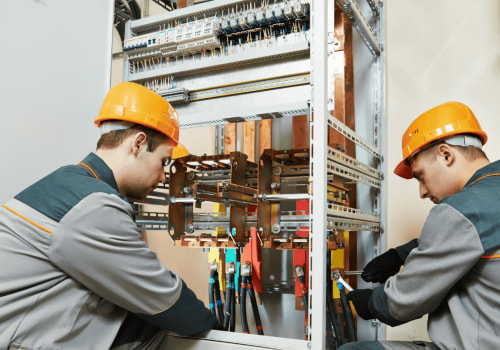
Installing an industrial panel is a critical process that requires careful planning and execution to ensure safety and functionality.Below is a step-by-step guide to help you navigate the industrial panel installation process.
- Preparation and Planning:
- Assess the installation site for any potential hazards.
- Gather all necessary tools and materials, including the industrial panel, mounting hardware, and safety equipment.
- Review the manufacturer's instructions and local electrical codes to ensure compliance.
- Power Shutdown:
- Before beginning the installation, ensure that the power supply to the area is completely shut off to prevent electrical shock.
- Use a voltage tester to confirm that there is no electrical current in the wires you will be working with.
- Mounting the Panel:
- Select an appropriate location for the panel, ensuring it is easily accessible for maintenance.
- Securely mount the panel to the wall or structure using appropriate fasteners, ensuring it is level and stable.
- Wiring Connections:
- Carefully connect the incoming power supply wires to the designated terminals in the panel.
- Follow color codes and wiring diagrams provided by the manufacturer to ensure correct connections.
- Grounding:
- Establish a proper grounding connection to prevent electrical faults and enhance safety.
- Use a grounding rod or connect to an existing grounding system as per local regulations.
- Final Checks:
- Double-check all connections and ensure that there are no loose wires or exposed conductors.
- Replace any covers or panels that were removed during installation.
- Power Restoration:
- Once everything is securely in place, restore power to the area.
- Test the panel functionality by operating connected devices and monitoring for any irregularities.
Common Challenges in Industrial Panel Installation
Installing industrial panels can be a complex process, often fraught with various challenges that can hinder efficiency and safety. Understanding these challenges is crucial for successful installation and long-term operation.Common Challenges
- Site Conditions: The physical environment where the installation takes place can present significant obstacles.
Factors such as limited space, uneven surfaces, or existing infrastructure can complicate the installation process.
- Electrical Compatibility: Ensuring that the new industrial panel is compatible with existing electrical systems is vital. Mismatched voltages or frequencies can lead to operational failures or safety hazards.
- Regulatory Compliance: Adhering to local codes and regulations is essential. Failure to comply can result in fines or the need for costly rework.
- Technical Expertise: The installation of industrial panels often requires specialized knowledge. A lack of skilled personnel can lead to improper installation, which may compromise safety and functionality.
- Supply Chain Issues: Delays in obtaining necessary components can stall the installation process.
It's important to have a reliable supply chain to ensure all parts are available when needed.
Overcoming Installation Challenges
To mitigate these challenges, consider the following strategies:- Conduct a Thorough Site Assessment: Before installation, perform a detailed evaluation of the site to identify potential issues and plan accordingly.
- Engage Qualified Professionals: Hiring experienced technicians who understand the intricacies of industrial panel installation can significantly reduce risks.
- Ensure Compliance: Stay updated on local regulations and ensure that all installations meet these standards to avoid future complications.
- Plan for Supply Chain Management: Establish relationships with reliable suppliers to minimize delays in obtaining necessary materials.
Maintenance and Safety Considerations for Industrial Panels
Regular maintenance of industrial panels is crucial for ensuring their longevity and optimal performance. Neglecting maintenance can lead to equipment failures, safety hazards, and costly downtime. To maintain industrial panels effectively, consider implementing the following practices:- Routine Inspections: Conduct regular inspections to identify any signs of wear, corrosion, or damage. Look for loose connections, frayed wires, and signs of overheating.
- Cleaning: Keep the panels clean and free from dust and debris.
Accumulated dirt can obstruct ventilation and lead to overheating.
- Testing: Regularly test the functionality of circuit breakers, fuses, and other components to ensure they are operating correctly.
- Documentation: Maintain a log of all maintenance activities, including inspections, repairs, and replacements. This documentation can help track performance trends and identify recurring issues.
- Power Down: Always ensure that the power is turned off before performing any maintenance or inspections on the panel.
- Use Personal Protective Equipment (PPE): Wear appropriate PPE such as gloves, goggles, and insulated tools to protect against electrical hazards.
- Follow Manufacturer Guidelines: Refer to the manufacturer’s instructions for specific maintenance procedures and safety recommendations.
- Training: Ensure that all personnel involved in the installation and maintenance of industrial panels are properly trained in safety protocols and emergency procedures.
FAQs About Industrial Panels and Their Installation
When it comes to industrial panel installation, many questions arise regarding their functionality, safety, and maintenance. Here are some frequently asked questions that can help clarify common doubts:What is an industrial panel?
An industrial panel is a crucial component in various industrial settings, serving as a centralized hub for controlling and monitoring electrical systems.These panels house circuit breakers, switches, and other control devices that manage the flow of electricity to different machinery and equipment.
Why is proper installation important?
Proper installation of industrial panels is vital for several reasons:- Safety: Incorrect installation can lead to electrical hazards, including short circuits and fires.
- Efficiency: A well-installed panel ensures optimal performance of machinery, reducing downtime and maintenance costs.
- Compliance: Adhering to local codes and regulations is essential to avoid legal issues and ensure workplace safety.
What are the common materials used in industrial panels?
Industrial panels are typically made from durable materials that can withstand harsh environments. Common materials include:- Steel: Offers strength and durability, often used for outdoor installations.
- Aluminum: Lightweight and resistant to corrosion, making it suitable for various applications.
- Fiberglass: Provides excellent insulation properties and is often used in chemical processing environments.
How often should industrial panels be inspected?
Regular inspections are crucial for maintaining the integrity of industrial panels. It is recommended to conduct inspections at least once a year, or more frequently if the panel is subjected to heavy use or harsh conditions. During these inspections, look for signs of wear, corrosion, or any loose connections that could pose safety risks.If you have more specific questions about industrial panel installation, consulting with a qualified electrician or industry expert can provide tailored guidance based on your unique needs.Conclusion: The Importance of Proper Industrial Panel Installation
In conclusion, understanding the purpose of an industrial panel and ensuring its proper installation is crucial for the efficiency and safety of industrial operations.Throughout this article, we have explored the various functions that industrial panels serve, including their role in controlling machinery, protecting electrical systems, and facilitating communication between different components of an industrial setup.Proper industrial panel installation not only enhances operational efficiency but also minimizes the risk of electrical hazards. When installed correctly, these panels can significantly reduce downtime and maintenance costs, leading to a more productive work environment. Here are some key takeaways regarding the importance of proper installation:
- Safety: A well-installed industrial panel ensures that all electrical connections are secure, reducing the risk of short circuits and electrical fires.
- Compliance: Adhering to industry standards and regulations during installation helps avoid legal issues and ensures that the facility meets safety codes.
- Efficiency: Properly installed panels optimize the performance of machinery and equipment, leading to improved productivity.
- Longevity: Quality installation practices extend the lifespan of industrial panels, saving costs on replacements and repairs.
By recognizing the significance of these installations, companies can better prepare themselves for future challenges in an ever-evolving industrial landscape.