In the realm of modern manufacturing and industrial operations, industrial panels play a pivotal role in ensuring efficiency, safety, and reliability. These panels serve as the nerve center for controlling various processes, from electrical distribution to automation systems. Understanding the significance of industrial panel installation is crucial for businesses aiming to optimize their operations and maintain compliance with industry standards. At their core, industrial panels are designed to house essential components that facilitate the management of electrical systems and machinery. They are not merely boxes filled with wires; rather, they are sophisticated assemblies that integrate various elements such as circuit breakers, relays, and control devices.
Each component within an industrial panel is meticulously selected to meet specific operational requirements, making it vital for professionals to grasp the intricacies involved in their design and installation. The importance of these panels extends beyond mere functionality. Properly installed industrial panels contribute significantly to workplace safety by minimizing the risk of electrical hazards and ensuring that machinery operates within safe parameters. As industries continue to evolve with advancements in technology, the demand for well-designed and efficiently installed industrial panels will only grow, underscoring the need for a comprehensive understanding of their main components.
What is an Industrial Panel?
An industrial panel is a crucial component in various industrial applications, serving as a centralized unit for controlling and monitoring electrical systems. These panels are designed to house electrical components, such as circuit breakers, relays, and control devices, ensuring safe and efficient operation of machinery and equipment.Industrial panels can be categorized into several types, each tailored to specific functions and environments:- Control Panels: These panels manage the operation of machinery by controlling motors, sensors, and other devices.
They often include programmable logic controllers (PLCs) for automation.
- Power Distribution Panels: These are designed to distribute electrical power to various circuits within a facility. They ensure that power is allocated efficiently and safely.
- Motor Control Centers (MCCs): MCCs are specialized panels that control multiple motors from a single location. They provide protection and control for electric motors.
- Switchgear Panels: These panels are used to control, protect, and isolate electrical equipment. They are essential for managing high-voltage systems.
Understanding these different types helps in selecting the right panel for industrial panel installation, ensuring optimal performance and safety in industrial settings.
Main Components of an Industrial Panel
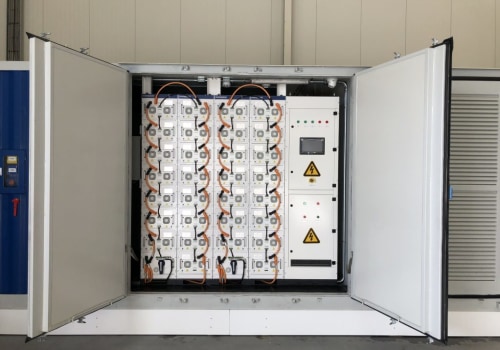
Understanding the main components of an industrial panel is crucial for anyone involved in industrial panel installation. Each part plays a significant role in ensuring the panel functions effectively and safely. Below are the primary components that make up an industrial panel:- Enclosure: The enclosure is the outer shell of the industrial panel, designed to protect internal components from environmental factors such as dust, moisture, and physical damage. It is typically made from durable materials like steel or aluminum.
- Power Supply: This component converts incoming electrical power to the appropriate voltage and current required by the panel's internal devices.
A reliable power supply is essential for maintaining consistent operation.
- Control Devices: These include switches, relays, and contactors that manage the flow of electricity within the panel. They allow operators to control machinery and processes efficiently.
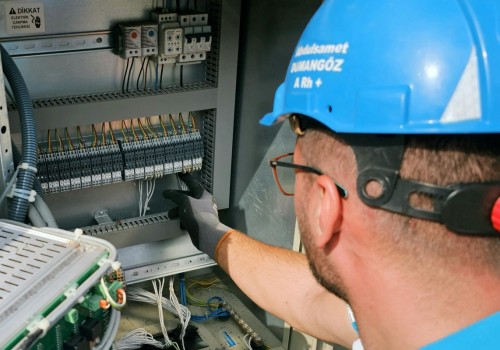
- Wiring and Terminals: Proper wiring is critical for connecting all components within the panel. Terminals provide a secure connection point for wires, ensuring safe and reliable electrical flow.
- Protection Devices: Fuses and circuit breakers are vital for safeguarding the panel against overloads and short circuits. They help prevent damage to both the panel and connected equipment.
- Indicators and Displays: These components provide visual feedback on the status of the system, such as power levels or operational alerts.
They are essential for monitoring performance and troubleshooting issues.
Electrical Components in Industrial Panels
In the realm of industrial panel installation, understanding the electrical components is crucial for ensuring both safety and functionality. These components work together to manage electrical power distribution, protect equipment, and facilitate control processes.Circuit Breakers
One of the most vital components in an industrial panel is the circuit breaker. These devices serve as automatic switches that protect electrical circuits from overloads and short circuits.When excessive current flows through a circuit, the circuit breaker interrupts the flow, preventing potential damage to equipment and reducing fire hazards. There are various types of circuit breakers, including:
- Thermal Circuit Breakers: These use heat to detect overloads.
- Magnetic Circuit Breakers: These respond to sudden surges in current.
- Ground Fault Circuit Interrupters (GFCIs): These protect against ground faults by shutting off power when a fault is detected.
Relays
Relays are another essential component found in industrial panels. They act as electrically operated switches that allow low-power signals to control larger loads. Relays enhance the functionality of industrial panels by enabling automation and remote control of machinery.Key functions of relays include:
- Control Circuits: Relays can manage multiple circuits simultaneously, improving efficiency.
- Safety Interlocks: They ensure that certain conditions are met before machinery operates, enhancing safety.
- Signal Amplification: Relays can amplify signals to control larger devices or systems.
Mechanical Components of Industrial Panels
When discussing industrial panel installation, understanding the mechanical components is crucial for ensuring durability and functionality. The primary mechanical components include enclosures and mounting hardware, both of which play significant roles in the overall performance of the panel.Enclosures
- Purpose: Enclosures protect the internal components of industrial panels from environmental factors such as dust, moisture, and extreme temperatures. They are designed to meet specific industry standards, ensuring safety and reliability.
- Materials: Common materials used for enclosures include steel, aluminum, and plastic.
Each material offers different benefits; for instance, steel provides strength and durability, while aluminum is lightweight and resistant to corrosion.
- Types: There are various types of enclosures available, including NEMA-rated enclosures that specify protection levels against environmental conditions. Selecting the right type is essential based on the application and location of installation.
Mounting Hardware
- Functionality: Mounting hardware is essential for securely attaching the industrial panel to walls or other structures. This ensures stability during operation and minimizes vibrations that could affect performance.
- Components: Typical mounting hardware includes brackets, screws, and anchors. Each component must be chosen based on the weight of the panel and the surface it will be mounted on.
- Installation Considerations: Proper installation of mounting hardware is critical.
It should be done according to manufacturer specifications to ensure safety and compliance with local regulations.
Control Systems in Industrial Panels
In the realm of industrial panel installation, control systems play a pivotal role in ensuring efficient automation and operational reliability. These systems are primarily composed of Programmable Logic Controllers (PLCs) and Human-Machine Interfaces (HMIs), which work in tandem to facilitate seamless communication between machinery and operators.Programmable Logic Controllers (PLCs)
PLCs are specialized computers designed for industrial environments, capable of handling multiple inputs and outputs to control machinery and processes. They execute pre-programmed instructions to automate tasks, making them essential for enhancing productivity.Key features of PLCs include:
- Robustness: Built to withstand harsh conditions, including extreme temperatures and vibrations.
- Flexibility: Easily reprogrammed to adapt to changing operational needs.
- Real-time processing: Capable of processing data instantaneously, ensuring timely responses to system changes.
Human-Machine Interfaces (HMIs)
HMIs serve as the bridge between operators and machines, providing a user-friendly interface for monitoring and controlling industrial processes. They display critical information such as system status, alarms, and performance metrics, allowing operators to make informed decisions quickly. The integration of HMIs into industrial panels enhances operational efficiency through:- Intuitive design: Simplifies complex data into easily understandable visuals.
- Remote access: Enables operators to monitor systems from various locations, improving response times.
- Error reduction: Minimizes human error by providing clear instructions and alerts.
Installation Process for Industrial Panels
Installing industrial panels requires careful planning and execution to ensure both safety and functionality.Below is a detailed step-by-step guide to the industrial panel installation process, along with best practices to follow.
- Preparation and Planning:
- Assess the installation site for any potential hazards.
- Gather all necessary tools and materials, including panels, mounting hardware, and safety equipment.
- Review the manufacturer's guidelines and local building codes to ensure compliance.
- Site Layout:
- Mark the locations where the panels will be installed.
- Ensure that there is adequate space for maintenance and operation.
- Mounting the Panels:
- Securely attach the mounting brackets to the wall or structure using appropriate fasteners.
- Lift the panels into place, ensuring they align with the marked locations.
- Tighten all connections to prevent movement or vibration during operation.
- Electrical Connections:
- Follow electrical codes when connecting power sources to the panels.
- Use qualified personnel for any electrical work to ensure safety and compliance.
- Final Inspection:
- Conduct a thorough inspection of the installation to check for any loose connections or misalignments.
- Test all functionalities of the panels before putting them into operation.
- Always wear appropriate personal protective equipment (PPE) during installation.
- Work in teams when handling large or heavy panels to minimize risk of injury.
- Document each step of the installation process for future reference and compliance checks.
Common Challenges in Industrial Panel Installation
Installing an industrial panel can be a complex process, often fraught with challenges that can lead to delays and increased costs. Understanding these challenges is crucial for a successful installation.Common Challenges
- Electrical Compatibility: One of the primary issues is ensuring that the panel is compatible with existing electrical systems. Mismatched voltages or phases can lead to equipment failure.
- Space Constraints: Industrial environments often have limited space, making it difficult to install panels without obstructing other equipment or workflows.
- Regulatory Compliance: Adhering to local codes and regulations can be challenging, especially in industries with stringent safety standards.
- Environmental Factors: Conditions such as humidity, temperature fluctuations, and exposure to chemicals can affect the installation process and the longevity of the panel.
Troubleshooting Installation Issues
If issues arise during installation, it’s essential to troubleshoot effectively. Start by reviewing the installation manual and verifying that all components are present and correctly configured.Common troubleshooting steps include:
- Checking all electrical connections for tightness and proper alignment.
- Testing the panel with a multimeter to ensure it operates within specified parameters.
- Inspecting for physical obstructions that may hinder installation.
Common Mistakes to Avoid
Avoiding common mistakes can save time and resources. Here are some pitfalls to watch out for:- Neglecting Pre-Installation Planning: Failing to plan can lead to unexpected complications. Always conduct a thorough site assessment before beginning installation.
- Ignoring Manufacturer Guidelines: Each panel comes with specific instructions that should not be overlooked. Following these guidelines ensures optimal performance and safety.
- Underestimating Time Requirements: Rushing through the installation process can lead to errors.
Allocate sufficient time for each phase of the project.
FAQs About Industrial Panel Installation
When it comes to industrial panel installation, several questions frequently arise. Below are some of the most common queries and their answers to help clarify your understanding.What is an industrial panel?
An industrial panel is a crucial component in various industrial settings, serving as a control interface for machinery and electrical systems. These panels house essential components such as circuit breakers, relays, and control switches, ensuring safe and efficient operation.What are the key components of an industrial panel?
- Enclosure: Protects internal components from environmental factors.
- Power Supply: Provides the necessary voltage and current for operation.
- Control Devices: Includes switches, buttons, and indicators for user interaction.
- Circuit Protection: Features like fuses and circuit breakers to prevent overloads.
- Wiring and Terminals: Connects all components securely.
How long does installation typically take?
The duration of industrial panel installation can vary based on several factors, including the complexity of the system and the experience of the installation team. Generally, installations can take anywhere from a few hours to several days.What maintenance is required for industrial panels?
Regular maintenance is essential to ensure the longevity and efficiency of industrial panels.Key maintenance tasks include:
- Visual Inspections: Check for signs of wear or damage.
- Cleansing: Remove dust and debris that can affect performance.
- Testing: Regularly test circuit breakers and other components to ensure they function correctly.
- Updating: Keep software and firmware up to date if applicable.
Conclusion: The Importance of Understanding Industrial Panels
In conclusion, understanding the components and installation processes of industrial panels is crucial for anyone involved in industrial operations. These panels serve as the backbone of electrical systems, ensuring safety, efficiency, and reliability in various applications. Throughout this article, we have explored the essential components of industrial panels, including:- Enclosures: Protecting internal components from environmental factors.
- Busbars: Facilitating the distribution of electrical power.
- Disconnect switches: Allowing safe maintenance and operation.
- Control devices: Enabling monitoring and management of electrical systems.
This knowledge empowers technicians and engineers to make informed decisions that can lead to improved operational efficiency and reduced downtime. Ultimately, investing time in learning about industrial panels is an investment in safety, efficiency, and long-term success. Whether you are a seasoned professional or new to the field, a solid grasp of these concepts will enhance your capabilities and contribute to the overall effectiveness of your industrial operations.