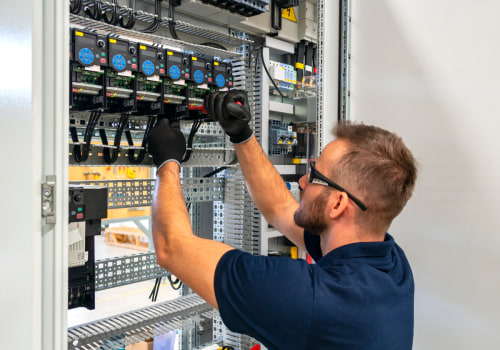
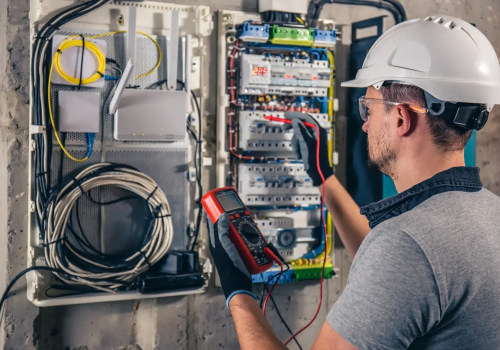
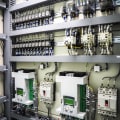
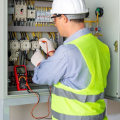
In the realm of modern industry, industrial panels serve as the backbone of electrical systems, providing essential control and distribution of power. These panels are not merely functional components; they are critical to ensuring safety, efficiency, and reliability in various applications, from manufacturing plants to commercial facilities. Understanding the significance of industrial panel installation is crucial for anyone involved in facility management or electrical engineering. Industrial panels come in various types, each designed to meet specific operational needs. For instance, control panels manage machinery operations, while distribution panels ensure that electrical power is efficiently routed to different parts of a facility.
The choice of panel type can significantly impact the overall performance and safety of industrial operations. As industries evolve and technology advances, the importance of selecting the right panel and ensuring its proper installation cannot be overstated. This article will delve into the common maintenance tasks necessary for keeping these vital components in optimal condition. Regular maintenance not only extends the lifespan of industrial panels but also enhances their performance, reducing the risk of costly downtime and ensuring compliance with safety regulations. By understanding these maintenance tasks, facility managers can better safeguard their operations and maintain a seamless workflow.
Key Components of Industrial Panels
Understanding the key components of industrial panels is essential for effective maintenance and operation.Each part plays a vital role in ensuring the panel functions correctly and safely.
- Enclosure: The enclosure protects the internal components from environmental factors such as dust, moisture, and physical damage. It is typically made from durable materials like steel or aluminum.
- Power Supply: This component converts incoming electrical power to the appropriate voltage and current required by the panel's devices. Regular checks on the power supply can prevent unexpected failures.
- Control Devices: These include switches, relays, and contactors that manage the flow of electricity within the panel. Ensuring these devices are functioning properly is crucial for operational efficiency.
- Wiring and Terminals: Proper wiring is essential for safe and efficient operation.
Inspecting connections and terminals regularly can help identify potential issues before they escalate.
- Indicators and Meters: These components provide real-time feedback on the panel's performance, such as voltage levels and current flow. Keeping these instruments calibrated ensures accurate readings.
Common Maintenance Tasks for Industrial Panels
Maintaining industrial panels is crucial for ensuring their longevity and optimal performance.Regular maintenance tasks can prevent costly downtime and enhance safety in industrial environments. Here are some common maintenance tasks that should be performed:
- Visual Inspections: Conduct routine visual inspections to check for any signs of wear, damage, or corrosion. Look for loose connections, frayed wires, or any physical deformities in the panel.
- Cleaning: Dust and debris can accumulate on industrial panels, affecting their functionality. Use a soft brush or vacuum to remove dust from the surface and ensure that vents are clear to promote proper airflow.
- Tightening Connections: Over time, electrical connections can loosen due to thermal expansion and contraction.
Regularly check and tighten all connections to maintain a secure electrical flow.
- Testing Components: Periodically test circuit breakers, fuses, and other components to ensure they are functioning correctly. This can help identify potential issues before they lead to failures.
- Thermal Imaging: Utilize thermal imaging technology to detect hotspots that may indicate electrical problems. This proactive approach can help prevent equipment failure.
- Documentation: Keep detailed records of all maintenance activities, including inspections, repairs, and replacements. This documentation is essential for tracking the panel's condition over time and for compliance with safety regulations.
Frequency of Maintenance Tasks
Maintaining an industrial panel is crucial for ensuring its longevity and optimal performance.The frequency of maintenance tasks can vary based on several factors, including the type of panel, its usage, and the environment in which it operates. Below is a general guideline for how often various maintenance tasks should be performed.
Daily Maintenance
- Visual Inspections: Conduct daily visual inspections to check for any obvious signs of wear, damage, or overheating.
- Cleanliness: Ensure that the panel is free from dust and debris, which can affect performance.
Weekly Maintenance
- Tightening Connections: Check and tighten all electrical connections to prevent loose contacts that can lead to failures.
- Functional Testing: Perform functional tests on critical components to ensure they are operating correctly.
Monthly Maintenance
- Thermal Imaging: Use thermal imaging to identify hot spots that may indicate potential issues.
- Lubrication: Lubricate moving parts as necessary to reduce friction and wear.
Quarterly Maintenance
- Comprehensive Inspection: Conduct a thorough inspection of all components, including circuit breakers and fuses.
- Software Updates: If applicable, ensure that any software controlling the panel is updated to the latest version.
Annual Maintenance
- Professional Evaluation: Hire a qualified technician to perform a detailed evaluation of the panel’s performance and safety compliance.
- Replacement of Worn Parts: Replace any components that show significant wear or are nearing the end of their lifespan.
Tools and Equipment Needed for Maintenance
Maintaining an industrial panel requires a specific set of tools and equipment to ensure that the system operates efficiently and safely. Below is a comprehensive list of essential tools and equipment needed for effective maintenance.- Multimeter: This tool is crucial for measuring voltage, current, and resistance.
It helps in diagnosing electrical issues within the panel.
- Screwdrivers: A variety of screwdrivers, including flathead and Phillips, are necessary for tightening or loosening screws on panel components.
- Wrenches: Adjustable wrenches and socket sets are important for securing connections and fittings.
- Wire Strippers: These are essential for preparing wires for connections, ensuring a clean and secure fit.
- Insulation Resistance Tester: This tool checks the insulation integrity of electrical components, helping to prevent failures.
- Cable Ties and Clips: Used for organizing and securing cables within the panel to prevent tangling and damage.
- Personal Protective Equipment (PPE): Safety glasses, gloves, and hard hats are vital to protect technicians during maintenance tasks.
- Cleaning Supplies: Dust brushes, vacuum cleaners, and lint-free cloths help keep the panel clean from dust and debris that can affect performance.
- Labeling Tools: A label maker or markers can assist in clearly identifying wires and components, which is crucial during troubleshooting.
Safety Considerations During Maintenance
When it comes to industrial panel installation, ensuring safety during maintenance tasks is paramount. The complexity of these systems requires that all personnel adhere to strict safety protocols to prevent accidents and injuries.Safety Tips for Panel Maintenance
- Conduct a Risk Assessment: Before starting any maintenance work, assess the potential hazards associated with the panel and surrounding equipment.
- Lockout/Tagout Procedures: Always implement lockout/tagout (LOTO) procedures to ensure that the panel is de-energized and cannot be accidentally turned on during maintenance.
- Use Proper Tools: Ensure that all tools used are appropriate for the task and in good working condition to avoid accidents.
Safe Practices in Industrial Settings
- Wear Personal Protective Equipment (PPE): Always wear the necessary PPE, including gloves, goggles, and hard hats, to protect against electrical hazards and physical injuries.
- Maintain a Clean Work Area: Keep the maintenance area free of clutter and obstacles to reduce the risk of trips and falls.
- Stay Informed: Regularly update training on safety protocols and emergency procedures related to industrial panel maintenance.
Safety Equipment for Maintenance Tasks
The right safety equipment is essential for protecting workers during maintenance tasks. Consider the following:- Insulated Tools: Use insulated tools specifically designed for electrical work to minimize shock risks.
- Voltage Detectors: Employ voltage detectors to confirm that circuits are de-energized before beginning any work.
- First Aid Kits: Ensure that a well-stocked first aid kit is readily available in case of emergencies.
Troubleshooting Common Issues with Industrial Panels
When it comes to industrial panel installation, understanding how to troubleshoot common issues is essential for maintaining optimal performance. Here are some frequent problems you may encounter and how to address them:- Power Failures: If the panel is not receiving power, check the main circuit breaker and ensure that all connections are secure.
Inspect fuses for any signs of damage or blown components.
- Overheating: Overheating can lead to equipment failure. Ensure that the panel is adequately ventilated and that cooling fans are operational. Regularly clean dust and debris from vents.
- Faulty Displays: If the display on the panel is malfunctioning, verify that the connections are intact. A reset may also resolve temporary glitches.
- Communication Errors: For panels that communicate with other devices, check for loose wiring or interference in signal transmission.
Updating firmware can also help resolve compatibility issues.
- Identify Symptoms: Document any unusual behavior or error messages displayed on the panel.
- Consult Documentation: Refer to the manufacturer’s manual for specific troubleshooting steps related to your model.
- Perform Tests: Use multimeters and other diagnostic tools to test electrical components and connections.
- Seek Professional Help: If problems persist after your attempts, consider contacting a qualified technician for further assistance.
When to Seek Professional Help
While regular maintenance of your industrial panel is crucial for optimal performance, there are specific situations where seeking professional help becomes necessary. Understanding these scenarios can save you time, money, and potential safety hazards.Signs You Need Professional Help
- Frequent Malfunctions: If your industrial panel is experiencing frequent breakdowns or malfunctions, it may indicate underlying issues that require expert diagnosis.
- Unusual Noises: Any strange sounds, such as buzzing or clicking, can be a sign of electrical problems. These should be addressed immediately by a professional.
- Visible Damage: Signs of physical damage, such as burnt components or frayed wires, necessitate immediate attention from a qualified technician.
- Increased Energy Costs: A sudden spike in energy bills can indicate inefficiencies in your panel's operation, which may require expert evaluation.
- Compliance Issues: If your panel does not meet current safety standards or regulations, hiring a professional for an upgrade or repair is essential.
When to Hire Experts
If you encounter any of the signs mentioned above, it’s advisable to consult with a professional. Additionally, consider hiring experts in the following situations:- Complex Installations: For new installations or upgrades that involve intricate systems, professional installation ensures compliance with safety standards and optimal functionality.
- Lack of Expertise: If you or your team lack the necessary skills to troubleshoot or repair issues effectively, it’s best to leave it to the professionals.
- Safety Concerns: When dealing with high-voltage systems or hazardous materials, professional intervention is crucial to ensure safety and compliance with regulations.
Don’t hesitate to reach out for expert assistance when faced with complex issues or signs of malfunction.
Conclusion: The Importance of Regular Maintenance for Industrial Panels
In conclusion, the significance of regular maintenance for industrial panels cannot be overstated. As we have discussed, these panels are critical components in various industrial settings, ensuring the safe and efficient operation of machinery and electrical systems. Neglecting their upkeep can lead to serious consequences, including equipment failure, safety hazards, and costly downtime.To maintain optimal performance, it is essential to adhere to a structured maintenance schedule. This includes:- Routine Inspections: Regularly check for signs of wear, corrosion, or damage to ensure all components are functioning correctly.
- Cleaning: Keep the panels free from dust and debris that can obstruct airflow and lead to overheating.
- Testing: Conduct periodic tests on circuit breakers and other protective devices to confirm they are operational.
- Updating Software: Ensure that any software controlling the panels is up-to-date to protect against vulnerabilities.
Furthermore, investing in regular maintenance not only safeguards equipment but also promotes a culture of safety within the workplace.Ultimately, prioritizing the maintenance of industrial panels is a proactive approach that pays dividends in reliability and performance. As industries continue to evolve, staying ahead with proper maintenance practices will ensure that your operations remain smooth and uninterrupted.