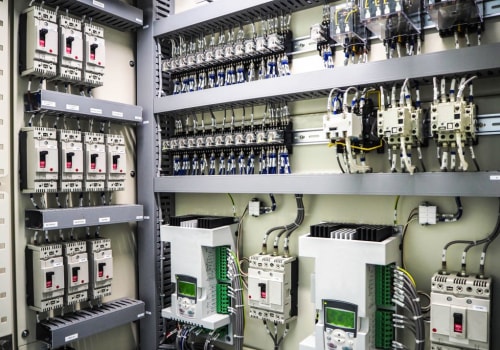
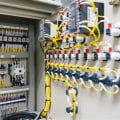
In the realm of industrial operations, industrial panels serve as critical components that facilitate the control and distribution of electrical power. These panels are not merely functional; they embody the backbone of safety and efficiency in various industrial settings. Understanding the intricacies of industrial panel installation is essential for ensuring that these systems operate optimally. However, just as important is the knowledge surrounding their eventual decommissioning, a process that must be approached with care and precision. The significance of industrial panels extends beyond their initial setup.
They play a vital role in maintaining operational integrity, safeguarding equipment, and protecting personnel from electrical hazards. As industries evolve and technology advances, there comes a time when these panels must be decommissioned to make way for newer, more efficient systems. This transition is not merely a matter of replacing old equipment; it involves a comprehensive understanding of safety protocols, regulatory compliance, and environmental considerations. Decommissioning an industrial panel is a multifaceted process that requires meticulous planning and execution. It is crucial to recognize that improper handling can lead to serious safety risks and potential legal ramifications.
Therefore, grasping the importance of both installation and decommissioning phases is essential for anyone involved in industrial operations. By delving into the steps involved in this process, we can ensure that safety remains paramount while also adhering to industry standards.
Assessing the Need for Decommissioning an Industrial Panel
Decommissioning an industrial panel is a critical decision that should not be taken lightly. Understanding when to decommission an industrial panel involves recognizing various signs of wear and potential failure. Timely assessment can prevent safety hazards and costly downtime.One of the primary indicators that it may be time to decommission an industrial panel is the presence of signs of panel failure.These signs can include:
- Frequent tripping of circuit breakers: If circuit breakers are tripping more often than usual, it may indicate underlying issues within the panel.
- Visible damage: Cracks, burns, or corrosion on the panel can compromise its integrity and functionality.
- Unusual noises: Humming, buzzing, or popping sounds can signal electrical problems that require immediate attention.
- Overheating: If the panel feels excessively hot to the touch, it may be a sign of electrical overload or component failure.
- Electrical connections: Loose or corroded connections can lead to inefficiencies and increase the risk of failure.
- Component wear: Check for signs of wear on fuses, relays, and other components that may need replacement.
- Compliance with regulations: Ensure that the panel meets current safety standards and regulations; outdated panels may need decommissioning to comply with new laws.
Planning the Decommissioning Process
Decommissioning an industrial panel requires meticulous planning to ensure safety, compliance, and efficiency. A well-structured decommissioning plan is essential for guiding the process and minimizing risks.Here are the key steps involved in planning the decommissioning:
- Assessment of Current Systems: Begin by evaluating the existing industrial panel systems. Identify all components, including wiring, circuit breakers, and control systems. This assessment will help determine what can be salvaged and what needs to be disposed of.
- Regulatory Compliance: Familiarize yourself with local, state, and federal regulations regarding the decommissioning of industrial equipment. Ensure that your plan adheres to these regulations to avoid legal issues.
- Safety Measures: Safety should be a top priority during the decommissioning process.
Develop a comprehensive safety plan that includes:
- Personal Protective Equipment (PPE): Ensure all personnel involved are equipped with appropriate PPE such as gloves, helmets, and eye protection.
- Lockout/Tagout Procedures: Implement lockout/tagout procedures to prevent accidental energization of equipment during decommissioning.
- Emergency Response Plan: Prepare an emergency response plan that outlines procedures for potential accidents or hazardous material exposure.
- Resource Allocation: Determine the resources required for the decommissioning process, including manpower, tools, and disposal services. Allocate these resources effectively to ensure a smooth operation.
- Timeline Development: Create a detailed timeline for the decommissioning process. This should include milestones for each phase of the project to keep it on track.
Safety Precautions Before Decommissioning
Before initiating the decommissioning of an industrial panel, it is crucial to implement a series of safety precautions to ensure the well-being of all personnel involved and to protect the equipment. These precautions can significantly reduce the risk of accidents and injuries.Personal Protective Equipment (PPE)
- Hard Hats: Protects against head injuries from falling objects.
- Safety Glasses: Shields eyes from dust, debris, and potential electrical arcs.
- Gloves: Insulated gloves are essential for handling electrical components safely.
- Steel-Toed Boots: Provides foot protection against heavy equipment and materials.
- High-Visibility Vests: Ensures that workers are easily seen in busy environments.
Electrical Safety Measures
Prior to decommissioning, it is vital to follow strict electrical safety measures.This includes:
- Power Disconnection: Ensure that all power sources to the industrial panel are completely disconnected. This includes turning off circuit breakers and removing fuses where applicable.
- Lockout/Tagout Procedures: Implement lockout/tagout (LOTO) procedures to prevent accidental re-energization of the panel during decommissioning. This involves placing locks on switches and tagging them to indicate that maintenance is in progress.
- Testing for Voltage: Use a multimeter or voltage tester to confirm that no electrical current is present before beginning any work on the panel.
Step-by-Step Guide to Decommissioning an Industrial Panel
Decommissioning an industrial panel is a critical process that requires careful planning and execution to ensure safety and compliance with regulations.Below is a step-by-step guide to effectively decommission an industrial panel.
- Preparation and Planning
- Conduct a thorough assessment of the panel's current condition and its operational history.
- Gather all necessary documentation, including schematics, maintenance records, and safety data sheets.
- Notify relevant personnel about the decommissioning schedule to ensure minimal disruption.
- Safety Measures
- Ensure that all safety protocols are in place, including personal protective equipment (PPE) for workers.
- Isolate the panel from the power supply by turning off all relevant circuit breakers and locking them out to prevent accidental re-energization.
- Disconnecting Components
- Carefully disconnect all electrical connections, taking care to label wires for potential future use or reference.
- Remove any auxiliary devices such as sensors, relays, or communication modules that are attached to the panel.
- Physical Removal
- Once all components are disconnected, proceed to remove the panel from its mounting location.
- If necessary, use appropriate lifting equipment to safely lower the panel without causing damage or injury.
- Disposal and Recycling
- Follow local regulations for disposing of electronic waste and hazardous materials.
- Consider recycling components where possible to minimize environmental impact.
Post-Decommissioning Procedures and Best Practices
Once the decommissioning of an industrial panel is complete, it is crucial to follow specific post-decommissioning procedures to ensure safety, compliance, and environmental responsibility. Here are the key steps to consider:1.Safety Assessment
Before proceeding with any further actions, conduct a thorough safety assessment of the area where the industrial panel was located. This includes:- Checking for any residual electrical hazards.
- Ensuring that all components have been properly disconnected.
- Assessing the site for any potential environmental risks.
2.Disposal and Recycling Options
After ensuring safety, consider the following options for disposing of or recycling the decommissioned industrial panels:- Recycling: Many components of industrial panels can be recycled. Metals, plastics, and circuit boards often have significant value and can be processed by specialized recycling facilities.
- Hazardous Waste Disposal: If the panels contain hazardous materials, such as certain types of insulation or chemicals, they must be disposed of according to local regulations.
Engage a licensed hazardous waste disposal service to handle these materials safely.
- Donation or Resale: If the panels are still functional, consider donating them to educational institutions or reselling them through industrial surplus channels.
3.Documentation and Reporting
Maintain detailed records of the decommissioning process, including:- The methods used for disposal or recycling.
- Any hazardous materials handled and their disposal documentation.
- A summary report outlining the entire decommissioning process for future reference.
4.Best Practices for Future Installations
To enhance efficiency and sustainability in future installations, consider implementing these best practices:- Design for Decommissioning: When planning new installations, design systems that facilitate easier decommissioning in the future.
- Sustainability Considerations: Choose materials that are recyclable or have a lower environmental impact.
- Training and Awareness: Ensure that all personnel involved in installation and decommissioning are trained on best practices and safety protocols.
Frequently Asked Questions About Industrial Panel Decommissioning
Decommissioning an industrial panel can raise several questions, especially for those unfamiliar with the process. Below are some frequently asked questions that can help clarify common concerns.What is the first step in decommissioning an industrial panel?
The first step involves conducting a thorough assessment of the panel's current condition and its operational history. This includes reviewing any maintenance records and identifying potential hazards associated with the panel's removal.How do I ensure safety during the decommissioning process?
Safety is paramount when decommissioning an industrial panel. Here are some key safety measures to consider:- Disconnect power: Ensure that all power sources are disconnected before beginning any work.
- Use personal protective equipment (PPE): Wear appropriate PPE such as gloves, goggles, and hard hats.
- Follow lockout/tagout procedures: Implement lockout/tagout protocols to prevent accidental re-energization of the panel.
What are common issues encountered during panel removal?
During the decommissioning process, several issues may arise:- Corrosion or damage: Panels may be corroded or damaged, making removal more challenging.
- Unexpected wiring configurations: Complex wiring can complicate disconnection and removal.
- Environmental concerns: Proper disposal of hazardous materials must be addressed to comply with regulations.
How can I troubleshoot decommissioning issues?
If you encounter problems during the decommissioning process, consider these troubleshooting tips:- Consult documentation: Refer to the panel's installation and maintenance manuals for guidance.
- Seek expert advice: If issues persist, consult with professionals who specialize in industrial panel decommissioning.
- Document everything: Keep detailed records of any issues encountered and how they were resolved for future reference.
Conclusion: Key Takeaways on Industrial Panel Decommissioning
In conclusion, the decommissioning of an industrial panel is a critical process that requires careful planning and execution.Understanding the steps involved not only ensures safety but also promotes environmental responsibility and compliance with regulations. Here are the key takeaways regarding the decommissioning process:
- Assessment and Planning: Before any physical work begins, a thorough assessment of the existing panel is essential. This includes evaluating its condition, understanding its components, and determining the necessary tools and personnel required for safe removal.
- Safety Protocols: Implementing strict safety measures is paramount. This involves ensuring that all personnel are trained in safety procedures, using appropriate personal protective equipment (PPE), and following lockout/tagout (LOTO) protocols to prevent accidental energization.
- Disconnection: Properly disconnecting the panel from power sources is a vital step. This should be done by qualified electricians who can ensure that all electrical connections are safely terminated.
- Removal and Disposal: Once disconnected, the physical removal of the panel should be conducted with care.
Components should be sorted for recycling or disposal according to local regulations, minimizing environmental impact.
- Documentation: Keeping detailed records of the decommissioning process is important for compliance and future reference. This includes documenting the condition of the panel, disposal methods used, and any incidents that occurred during the process.