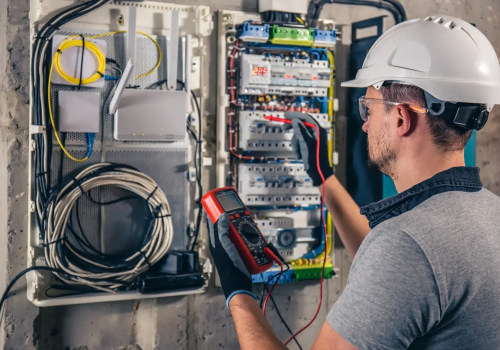
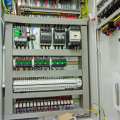
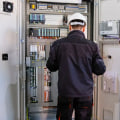
The process of industrial panel installation is a critical component in the infrastructure of various industries, ranging from manufacturing to energy production. These panels serve as the backbone for electrical distribution, control systems, and automation processes, ensuring that operations run smoothly and efficiently. Understanding the intricacies of installing these panels is essential for businesses looking to optimize their workflows and maintain safety standards. However, as industries evolve and expand, the need to adapt becomes paramount. This raises an important question: can industrial panels be relocated or reconfigured after their initial installation? The answer is not straightforward, as it depends on several factors including the type of panel, its installation environment, and the specific requirements of the operation.
Relocating or reconfiguring these panels can offer significant advantages, such as improved accessibility, enhanced functionality, and better alignment with new operational goals. In this article, we will delve deeper into the possibilities and considerations surrounding the relocation and reconfiguration of industrial panels. By exploring these options, businesses can make informed decisions that not only enhance their operational efficiency but also ensure compliance with safety regulations. Whether you are contemplating a move to a new facility or simply looking to optimize your current setup, understanding the nuances of industrial panel installation will be crucial in navigating these changes effectively.
What is an Industrial Panel?
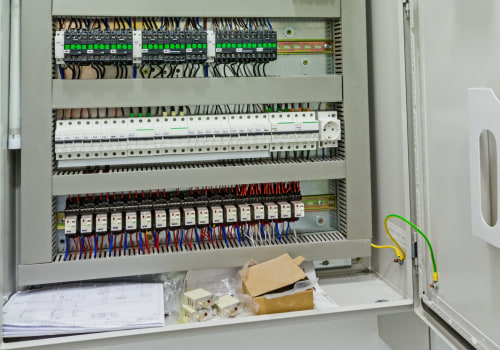
An industrial panel is a crucial component in various industrial settings, serving as a centralized hub for controlling and monitoring electrical systems. These panels are designed to house electrical components such as circuit breakers, switches, and relays, ensuring safe and efficient operation of machinery and equipment.There are several types of industrial panels, each tailored to specific applications:- Control Panels: Used to manage and control machinery operations, these panels often include programmable logic controllers (PLCs) and human-machine interfaces (HMIs).
- Power Distribution Panels: These panels distribute electrical power to various circuits within a facility, ensuring that each area receives the necessary voltage and current.
- Motor Control Centers (MCCs): Designed for controlling electric motors, MCCs provide a centralized location for motor starters, overload relays, and other related equipment.
- Instrumentation Panels: These panels monitor and display data from sensors and instruments, allowing operators to track performance metrics in real-time.
- Safety: By consolidating electrical components in a single location, industrial panels help minimize the risk of electrical hazards.
- Efficiency: They streamline operations by providing easy access to controls and monitoring systems, which can enhance productivity.
- Maintenance: Industrial panels facilitate easier troubleshooting and maintenance by allowing technicians to quickly identify issues within the system.
This knowledge is essential for making informed decisions regarding industrial panel installation.
The Importance of Proper Installation
Proper industrial panel installation is critical for ensuring the functionality, safety, and longevity of the equipment. When installed correctly, industrial panels can operate efficiently, minimizing downtime and maintenance costs. Conversely, improper installation can lead to a range of issues, including electrical failures, safety hazards, and reduced performance.One of the primary benefits of adhering to best practices during installation is enhanced safety. Industrial panels often house high-voltage components that can pose serious risks if not handled correctly.Ensuring that panels are installed according to manufacturer specifications and local codes helps mitigate these risks.
Best Practices for Installation
- Site Assessment: Before installation, conduct a thorough site assessment to identify any environmental factors that could affect the panel's performance.
- Follow Manufacturer Guidelines: Always adhere to the manufacturer's installation instructions, as they provide essential information tailored to the specific panel model.
- Use Quality Materials: Invest in high-quality materials and components to ensure durability and reliability.
- Professional Installation: Whenever possible, hire qualified professionals who have experience with industrial panel installations. Their expertise can prevent costly mistakes.
- Regular Inspections: After installation, schedule regular inspections to ensure that the panel remains in optimal condition and complies with safety standards.
Can Industrial Panels Be Relocated?
Relocating industrial panels after installation is indeed possible, but several factors must be considered to determine the feasibility and complexity of the process.Understanding these factors can help businesses make informed decisions about their industrial panel installation and future modifications.
Factors Influencing Relocation Feasibility:
- Type of Panel: Different types of industrial panels, such as electrical, control, or automation panels, may have varying degrees of complexity when it comes to relocation. For instance, electrical panels often require careful handling due to their connections and potential hazards.
- Wiring and Connections: The existing wiring and connections play a crucial role in the relocation process. If the panel is hardwired into the system, it may require significant rewiring to move it to a new location.
- Structural Considerations: The new location must meet structural requirements, including adequate space, support, and accessibility for maintenance. This may involve modifications to the facility itself.
- Compliance and Regulations: Depending on the industry, there may be specific regulations governing the relocation of industrial panels.
Ensuring compliance with local codes is essential to avoid legal issues.
The Relocation Process:
- Assessment: Begin with a thorough assessment of the current installation and the proposed new location. This includes evaluating the panel's specifications and any necessary modifications.
- Planning: Develop a detailed plan that outlines the steps required for relocation, including timelines, resources needed, and potential downtime.
- Disconnection: Safely disconnect all power sources and wiring from the panel. This step is critical to ensure safety during the move.
- Physical Move: Carefully transport the panel to its new location. This may require specialized equipment or personnel trained in handling heavy or sensitive equipment.
- Reinstallation: Reconnect all wiring and ensure that the panel is securely mounted in its new position.
Conduct thorough testing to confirm that all systems are operational.
Factors Influencing Relocation Feasibility
When considering the relocation of an industrial panel, several critical factors come into play that can significantly influence the feasibility of such a move. Understanding these factors is essential for ensuring a smooth transition and maintaining operational efficiency.Site Conditions
The physical environment where the industrial panel is installed plays a crucial role in its relocation. Key site conditions to consider include:- Space Availability: Adequate space must be available at the new location to accommodate the panel and any associated equipment.
- Access: The ease of access to the current and new locations can affect the logistics of moving heavy equipment.
- Environmental Factors: Conditions such as temperature, humidity, and exposure to elements can impact the panel's performance and longevity.
Panel Design Considerations
The design of the industrial panel itself can also dictate how easily it can be relocated.Important design aspects include:
- Modularity: Panels designed with modular components are generally easier to disassemble and reassemble, facilitating relocation.
- Weight and Size: Heavier and larger panels may require specialized equipment for transport, complicating the relocation process.
- Wiring and Connections: The complexity of wiring and connections can affect how quickly and efficiently a panel can be moved.
Regulatory Compliance
Finally, compliance with local regulations and industry standards is paramount when relocating an industrial panel. This may involve:- Permits: Securing necessary permits for installation at the new site.
- Safety Standards: Ensuring that the relocated panel meets all safety codes and regulations applicable to its new location.
Reconfiguring Industrial Panels: Is It Possible?
When it comes to industrial panel installation, one common question arises: can these panels be reconfigured after they have been installed? The answer is yes, but the process involves careful planning and consideration of several factors.Reconfiguring industrial panels
is not only possible but often necessary as operational needs evolve. Whether due to changes in production processes, technological upgrades, or space optimization, the ability to adapt these systems can significantly enhance efficiency and productivity.The Reconfiguration Process
The reconfiguration process typically involves the following steps:- Assessment: Evaluate the current setup and identify the reasons for reconfiguration.
This includes understanding the new requirements and how they differ from the existing configuration.
- Planning: Develop a detailed plan that outlines the changes needed. This may involve redesigning the layout, updating software, or integrating new components.
- Implementation: Execute the reconfiguration plan. This step may require specialized skills, especially if electrical or software modifications are involved.
- Testing: After reconfiguration, thorough testing is essential to ensure that all systems function correctly and meet safety standards.
Additionally, any modifications should comply with industry regulations and safety standards to avoid potential hazards.In conclusion, while reconfiguring an industrial panel is feasible, it requires a strategic approach to ensure that the changes align with operational goals and maintain system integrity. Engaging with professionals who specialize in industrial panel installation can facilitate a smoother transition and help mitigate risks associated with reconfiguration.
Best Practices for Relocation and Reconfiguration
Relocating or reconfiguring industrial panels requires careful planning and execution to ensure safety and efficiency. Here are some best practices to follow:Planning the Relocation
- Assess the Current Setup: Before moving any equipment, conduct a thorough assessment of the existing panel installation. Understand the wiring, connections, and any dependencies that may affect the relocation.
- Develop a Detailed Plan: Create a comprehensive plan that outlines the steps for relocation or reconfiguration.
Include timelines, required tools, and personnel involved in the process.
- Consult with Experts: If necessary, consult with electrical engineers or technicians who specialize in industrial panel installation. Their expertise can help identify potential challenges and solutions.
Safety Measures
- Power Down: Always ensure that power is completely shut off before beginning any work on the panels. This is crucial for preventing electrical hazards.
- Use Personal Protective Equipment (PPE): Equip all personnel involved in the relocation with appropriate PPE, such as gloves, helmets, and safety glasses.
- Follow Lockout/Tagout Procedures: Implement lockout/tagout procedures to prevent accidental energization of the panels during the move.
Reconfiguration Tips
- Document Existing Configurations: Take photographs and notes of the current panel setup before disassembly. This documentation will serve as a reference for reconfiguration.
- Test Connections: After relocating or reconfiguring the panels, conduct thorough testing of all connections to ensure functionality and safety.
- Update Schematics: Revise any electrical schematics or diagrams to reflect changes made during the relocation or reconfiguration process.
Common FAQs About Industrial Panel Installation and Relocation
When considering industrial panel installation, many facility managers and operators have questions about the potential for relocation or reconfiguration after the initial setup.Here are some common FAQs that address these concerns:
Can an industrial panel be relocated after installation?
Yes, an industrial panel can be relocated after installation. However, the process requires careful planning and execution to ensure that all electrical connections, safety standards, and operational requirements are met. It is advisable to consult with a qualified technician to assess the feasibility of the move and to execute it safely.What factors should be considered when relocating an industrial panel?
- Electrical Connections: Ensure that all wiring is properly disconnected and reconnected at the new location.
- Space Requirements: The new location must accommodate the panel's size and any necessary clearance for maintenance.
- Compliance: Verify that the new installation meets local codes and regulations.
- Operational Impact: Consider how the relocation may affect workflow and equipment operation.
What are common issues faced during panel relocation?
Some common issues that may arise during the relocation of an industrial panel include:- Downtime: The process may require temporary shutdowns, impacting production schedules.
- Compatibility: New locations may have different environmental conditions that could affect panel performance.
- Unexpected Costs: Additional expenses may arise from unforeseen complications or necessary upgrades.
Conclusion: Key Takeaways on Industrial Panel Relocation and Reconfiguration
In conclusion, the relocation and reconfiguration of industrial panels after installation is not only feasible but often necessary to adapt to changing operational needs.Throughout this article, we have explored several critical aspects that underscore the importance of careful planning and execution in the process.Key Takeaways:
- Assessment of Needs: Before initiating any relocation or reconfiguration, it is essential to assess the current and future needs of your operations. Understanding how the industrial panel fits into your overall workflow can guide effective decision-making.
- Compliance and Safety: Ensuring that any changes comply with local regulations and safety standards is paramount. This includes electrical codes and industry-specific guidelines that govern panel installations.
- Professional Expertise: Engaging qualified professionals for the relocation or reconfiguration process can mitigate risks associated with improper handling. Their expertise ensures that the installation remains safe and efficient.
- Documentation: Keeping thorough documentation of the original installation and any subsequent changes is crucial.
This not only aids in future modifications but also serves as a reference for compliance audits.
- Cost Considerations: While relocating or reconfiguring an industrial panel may incur costs, it is often a worthwhile investment that can lead to increased efficiency and productivity in the long run.