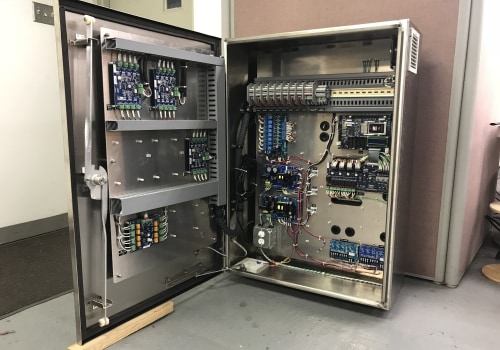
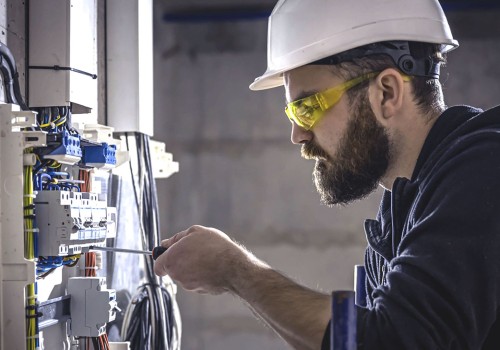
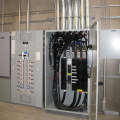
The process of industrial panel installation is a critical component in the setup of any manufacturing or processing facility. These panels serve as the nerve center for controlling machinery, monitoring systems, and ensuring safety protocols are followed. Understanding the intricacies of industrial panels is essential for anyone involved in their installation, as it lays the groundwork for operational efficiency and safety in the workplace. Once an industrial panel is installed, the importance of testing functionality cannot be overstated. This step is vital to ensure that all components are working as intended and that the panel can handle the demands of its operational environment.
Testing not only verifies that the installation was successful but also helps identify any potential issues that could lead to costly downtime or safety hazards in the future. Moreover, a thorough understanding of the industrial panel overview allows technicians to perform more effective tests. Familiarity with the panel's design, wiring, and intended functions enables a more comprehensive evaluation of its performance. By prioritizing testing after installation, businesses can safeguard their investments and enhance overall productivity.
Pre-Testing Preparations
Before diving into the testing of an industrial panel installation, it is crucial to conduct thorough pre-testing preparations. This ensures not only the accuracy of the tests but also the safety of personnel involved in the process.Pre-Testing Checklist
- Verify that all components of the panel are installed correctly according to the manufacturer's specifications.
- Ensure that all connections, including power and ground, are secure and properly insulated.
- Check for any visible signs of damage or wear on the panel and its components.
- Confirm that all necessary documentation, such as wiring diagrams and installation manuals, is available for reference.
Safety Measures
- Personal Protective Equipment (PPE): Ensure that all personnel wear appropriate PPE, including gloves, safety glasses, and hard hats.
- Lockout/Tagout Procedures: Implement lockout/tagout procedures to prevent accidental energization of the panel during testing.
- Emergency Protocols: Familiarize all team members with emergency shutdown procedures and locations of emergency equipment.
Tools Needed for Testing
Having the right tools on hand is essential for effective testing.Below is a list of recommended tools:
- Multimeter: For measuring voltage, current, and resistance to ensure proper electrical function.
- Insulation Resistance Tester: To check the integrity of insulation on wires and components.
- Clamp Meter: Useful for measuring current without disconnecting circuits.
- Screwdrivers and Wrenches: For making any necessary adjustments or securing connections during testing.
Visual Inspection of the Installed Panel
Conducting a thorough visual inspection of the installed industrial panel is crucial to ensure its functionality and safety. This process involves checking various components and connections to identify any potential installation errors that could lead to operational issues.Visual Inspection Steps
- Check for Physical Damage: Inspect the panel enclosure for any signs of dents, scratches, or corrosion that may have occurred during installation.
- Verify Component Alignment: Ensure that all components, such as circuit breakers and relays, are properly aligned and securely mounted within the panel.
- Examine Wiring Connections: Look for loose or frayed wires. All connections should be tight and free from corrosion.
- Inspect Labels and Markings: Confirm that all labels are clear and correctly placed, indicating the function of each component for easy identification.
- Check Grounding: Ensure that the grounding connections are secure and comply with local electrical codes.
What to Look For in an Industrial Panel
During your inspection, pay attention to the following key aspects:- Wire Management: Cables should be neatly organized and secured to prevent wear and tear over time.
- Heat Dissipation: Ensure there is adequate space around components for airflow to prevent overheating.
- Accessibility: The panel should be easily accessible for maintenance without obstruction from other equipment.
Common Installation Errors
A few common installation errors to watch out for include:- Poorly Secured Components: Loose components can lead to vibrations that may cause further damage over time.
- Incorrect Wiring: Miswired connections can result in short circuits or equipment failure.
- Lack of Compliance with Standards: Ensure that the installation meets all relevant safety standards and regulations.
Electrical Testing Procedures
After the installation of an industrial panel, it is crucial to conduct thorough electrical testing procedures to ensure that the panel operates correctly and safely.These tests help identify any potential issues that could lead to equipment failure or safety hazards.
Electrical Testing Methods
There are several key methods used in electrical testing:- Voltage Checks: This involves measuring the voltage at various points within the panel to ensure that it meets the specified requirements. Use a multimeter to check both AC and DC voltages, ensuring they align with the panel's design specifications.
- Continuity Tests: Continuity testing is essential for verifying that all connections within the panel are secure and functioning. This test checks for any breaks in the circuit that could prevent electrical flow. A continuity tester or multimeter can be used for this purpose.
- Insulation Resistance Testing: This test measures the resistance of insulation materials within the panel.
A low insulation resistance reading may indicate potential leakage paths, which can lead to short circuits or equipment damage.
Functional Testing of Control Systems
After the industrial panel installation is complete, it is crucial to conduct thorough functional testing of the control systems to ensure they operate as intended. This process involves several key methods and checks that help verify the operational integrity of the panel.Functional Testing Methods
There are various methods to perform functional tests on control systems:- Visual Inspection: Begin with a detailed visual inspection of the panel.
Check for any loose connections, signs of damage, or improper wiring that could affect functionality.
- Power-Up Tests: Once the visual inspection is complete, power up the system. Monitor for any abnormal sounds or indicators that suggest issues.
- Input/Output Verification: Test all input and output devices connected to the control system. This includes sensors, switches, and actuators. Ensure that each device responds correctly to commands.
- Control Logic Testing: Validate the control logic by simulating various operational scenarios.
This helps confirm that the system behaves as expected under different conditions.
Control System Checks
In addition to functional testing methods, specific checks should be performed:- Signal Integrity: Use diagnostic tools to check signal integrity across communication lines. Ensure that signals are transmitted without distortion.
- Error Logging: Review error logs generated by the control system. Address any logged errors before proceeding with further tests.
- Safety Interlocks: Test all safety interlocks and emergency stop functions to ensure they operate correctly in case of a fault.
Operational Tests
Finally, conduct operational tests to assess the overall performance of the control system:- Load Testing: Apply load conditions similar to actual operating scenarios. Monitor how the system responds under these conditions.
- User Interface Functionality: Test the user interface for ease of use and responsiveness.
Ensure that operators can easily interact with the system.
Load Testing and Performance Evaluation
After the installation of an industrial panel, it is crucial to conduct load testing and performance evaluation to ensure that the panel can handle its intended operational demands. This process not only verifies the functionality of the panel but also identifies any potential issues that could arise during normal operation.Load Testing Procedures
The first step in load testing is to establish a baseline for the panel's performance. This involves:- Identifying Load Requirements: Determine the maximum load the panel is designed to handle based on its specifications.
- Gradual Load Application: Apply loads incrementally, starting from zero up to the maximum specified load. This helps in observing how the panel reacts under increasing stress.
- Monitoring Performance: During the load application, monitor key parameters such as voltage, current, and temperature to ensure they remain within acceptable limits.
Performance Evaluation Criteria
Once load testing is complete, performance evaluation criteria should be applied to assess the panel's overall functionality:- Stability: Check for any fluctuations in output or unexpected behavior under load.
- Heat Dissipation: Ensure that the panel does not overheat during operation, which could indicate inadequate cooling or design flaws.
- Response Time: Evaluate how quickly the panel responds to changes in load conditions.
Stress Tests for Panels
In addition to standard load testing, conducting stress tests can provide further insights into the panel's durability and reliability:- Overload Testing: Temporarily apply loads exceeding the maximum rating to observe how the panel handles extreme conditions.
- Cyclic Loading: Subject the panel to repeated loading and unloading cycles to simulate real-world operational conditions.
- Aging Tests: Run the panel continuously over an extended period to assess long-term performance and identify any degradation in functionality.
Documenting Test Results and Findings
After the installation of an industrial panel, it is crucial to meticulously document all test results and findings.This documentation serves multiple purposes, including ensuring compliance with industry standards, facilitating future maintenance, and providing a reference for troubleshooting.
Importance of Test Result Documentation
- Compliance: Many industries are governed by strict regulations that require detailed records of equipment testing. Proper documentation can help demonstrate compliance during audits.
- Future Reference: Well-documented test results allow technicians to quickly assess the performance of the panel over time, making it easier to identify any deviations from expected performance.
- Troubleshooting: In the event of a malfunction, having a comprehensive record of previous tests can significantly expedite the troubleshooting process.
Reporting Findings
When reporting findings, it is essential to include:
- Date and Time: Always note when the tests were conducted.
- Test Conditions: Document the environmental conditions during testing, such as temperature and humidity, as these can affect performance.
- Test Procedures: Clearly outline the procedures followed during testing to ensure consistency in future evaluations.
- Results: Provide detailed results, including any anomalies or unexpected outcomes.
- Recommendations: If any issues were identified, include recommendations for corrective actions or further monitoring.
Common Issues and Troubleshooting Tips
After the industrial panel installation, it’s crucial to monitor its performance closely. Various issues can arise that may affect functionality, and being aware of these can save time and resources.Here are some common problems and troubleshooting tips to address them effectively.
- Power Supply Issues: One of the most frequent problems is an inadequate power supply. Ensure that the panel is receiving the correct voltage and that all connections are secure. If the panel does not power on, check for blown fuses or tripped circuit breakers.
- Faulty Wiring: Improper wiring can lead to malfunctions. Inspect all wiring for signs of damage or incorrect connections.
Use a multimeter to test continuity and ensure that all wires are connected according to the schematic.
- Overheating: If the panel is overheating, it may indicate insufficient ventilation or overloading. Check that the panel is installed in a well-ventilated area and that it is not exceeding its rated capacity. Consider adding cooling fans if necessary.
- Software Glitches: For panels with programmable logic controllers (PLCs), software issues can arise post-installation. Ensure that the firmware is up to date and that all settings are configured correctly.
Restarting the system can sometimes resolve temporary glitches.
FAQs About Industrial Panel Testing After Installation
Testing the functionality of an industrial panel after installation is crucial to ensure safety, efficiency, and reliability. Here are some frequently asked questions regarding this process:- What are the key tests performed on an industrial panel? Common tests include visual inspections, functional testing, voltage testing, and load testing. Each of these tests helps identify potential issues that could affect performance.
- How long does the testing process take? The duration of testing can vary based on the complexity of the panel and the number of tests required.
Typically, it can take anywhere from a few hours to a couple of days.
- What should I do if a test fails? If a test fails, it is essential to conduct a thorough investigation to determine the cause. This may involve checking wiring connections, component functionality, or even consulting with the manufacturer for support.
- Are there specific standards for testing industrial panels? Yes, there are industry standards such as NEMA and IEC that outline testing procedures and safety requirements. Adhering to these standards ensures compliance and enhances safety.
- Can I perform these tests myself? While some basic tests can be conducted by trained personnel, it is advisable to have a qualified technician perform comprehensive testing to ensure accuracy and safety.
Conclusion: Ensuring Optimal Performance of Industrial Panels
In conclusion, the successful installation of industrial panels is only the beginning of ensuring their optimal performance.Thorough testing is essential to confirm that all components function correctly and meet safety standards. By following a systematic approach to testing, operators can identify potential issues before they escalate into costly problems. Key testing procedures include:
- Visual Inspection: Begin with a detailed visual inspection to check for any obvious signs of damage or improper installation.
- Functional Testing: Verify that all controls, indicators, and alarms operate as intended. This includes testing the response of the panel under various operational conditions.
- Electrical Testing: Conduct tests such as insulation resistance and continuity checks to ensure electrical integrity and safety.
- Load Testing: Simulate operational loads to assess how the panel performs under real-world conditions, ensuring it can handle the expected demands.
By prioritizing these practices, businesses can ensure that their industrial panels operate efficiently and reliably, contributing to overall productivity and success.