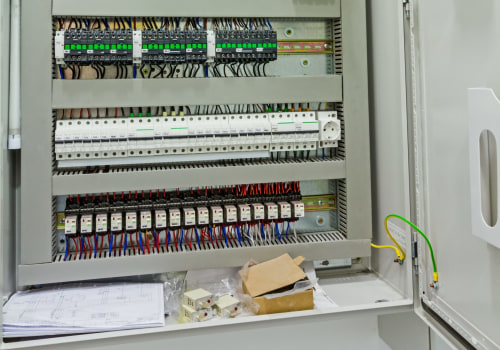
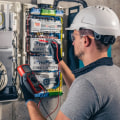
In the realm of industrial operations, industrial panels serve as the backbone for managing and controlling various electrical systems. These panels are essential components that house critical electrical equipment, including circuit breakers, relays, and control devices. Understanding what an industrial panel is and its various types is fundamental for anyone involved in industrial panel installation. From control panels that manage machinery to distribution panels that ensure power is efficiently allocated, each type plays a unique role in maintaining operational efficiency. The significance of industrial panels extends beyond mere functionality; they are pivotal in ensuring safety and compliance with industry standards.
Properly organized and labeled panels not only facilitate easier troubleshooting but also enhance the overall safety of the work environment. For instance, a well-labeled panel can prevent accidents by clearly indicating the purpose of each component, thereby reducing the risk of human error during maintenance or operation. Moreover, understanding the components of an industrial panel is crucial for effective installation and management. Key elements such as terminal blocks, fuses, and indicators must be arranged logically to optimize performance and accessibility. As we delve deeper into the intricacies of industrial panel installation, it becomes clear that proper labeling and organization are not just best practices; they are essential for ensuring reliability and safety in industrial settings.
Importance of Proper Labeling in Industrial Panels
Proper labeling in industrial panel installation is crucial for several reasons, primarily revolving around safety, efficiency, and compliance with industry standards.When panels are clearly labeled, it significantly reduces the risk of accidents and errors during operation and maintenance.
Importance of Labeling:
- Safety: Clear labels help technicians quickly identify circuits, components, and emergency shut-off points. This is vital in preventing electrical hazards and ensuring that personnel can respond swiftly in emergencies.
- Efficiency: Well-organized labels streamline troubleshooting and maintenance processes. Technicians can easily locate the necessary components without wasting time deciphering unclear markings.
- Compliance: Many industries are governed by strict regulations that mandate proper labeling. Adhering to these standards not only ensures legal compliance but also enhances the credibility of the organization.
Benefits of Proper Labeling:
- Prevention of Errors: Mislabeling or lack of labeling can lead to incorrect connections, which may cause equipment failure or even catastrophic incidents.
Proper labeling minimizes these risks.
- Enhanced Training: New employees can quickly learn the layout and function of the panel when labels are clear and consistent, reducing the learning curve and improving overall productivity.
- Improved Maintenance: Regular maintenance checks become more efficient when technicians can easily identify components that require attention, leading to better upkeep of equipment.
Labeling Standards:
Following established labeling standards, such as those set by the National Electrical Manufacturers Association (NEMA) or the Institute of Electrical and Electronics Engineers (IEEE), ensures that labels are not only informative but also universally understood. These standards provide guidelines on color coding, font size, and placement, which are essential for maintaining consistency across all panels.In conclusion, investing time and resources into proper labeling during industrial panel installation pays off significantly in terms of safety, efficiency, and compliance. By adhering to best practices in labeling, organizations can foster a safer working environment while enhancing operational effectiveness.
Best Practices for Labeling Industrial Panels
Labeling industrial panels effectively is crucial for ensuring safety, efficiency, and ease of maintenance. Here are some best practices to consider when labeling your industrial panels:- Choose the Right Materials: Use durable materials that can withstand the environmental conditions of your facility.
Options like laminated labels, vinyl stickers, or metal tags are ideal for longevity.
- Font Size and Style: Select a font size that is easily readable from a distance. A minimum of 1 inch in height is recommended for critical information. Use clear, sans-serif fonts to enhance readability.
- Color Coding: Implement a color-coding system to categorize different types of panels or functions. For example, use red for emergency shut-offs, green for operational controls, and blue for informational labels.
This visual differentiation aids quick identification.
- Placement Strategies: Position labels at eye level whenever possible to ensure they are easily visible. Avoid placing them in areas that may be obstructed by equipment or other components.
- Consistent Terminology: Use standardized terms and abbreviations across all labels to prevent confusion. Ensure that all personnel are trained on these terms to maintain consistency.
- Regular Maintenance: Schedule periodic inspections of labels to check for wear and tear. Replace any damaged or faded labels promptly to maintain clarity.
Organizing Components within Industrial Panels
Effectively organizing components within an industrial panel is crucial for ensuring both functionality and safety.A well-structured layout not only enhances accessibility but also simplifies maintenance and troubleshooting. Here are some strategies to consider when planning your panel layout:
- Prioritize Accessibility: Arrange components based on their frequency of use. Place the most commonly accessed items, such as circuit breakers and control devices, at eye level or within easy reach.
- Group Similar Components: Organize components by function. For example, keep all power supplies together and group control devices in a separate section.
This logical arrangement helps technicians quickly locate the necessary parts during maintenance.
- Utilize Vertical Space: Make the most of the panel's height by stacking components vertically. Use mounting brackets or shelves to create additional levels, ensuring that heavier items are placed lower to maintain stability.
- Label Clearly: Implement a clear labeling system for all components. Use durable labels that can withstand environmental conditions, and ensure they are legible from a distance. This practice not only aids in quick identification but also complies with safety regulations.
- Consider Wiring Layout: Plan your wiring carefully to avoid clutter.
Use cable ties or conduits to keep wires organized and out of the way, reducing the risk of accidental disconnections or shorts.
Tools and Software for Labeling and Organization
Ensuring proper labeling and organization of an industrial panel installation is crucial for both safety and efficiency. Utilizing the right tools and software can significantly enhance this process.Labeling Tools for Industrial Panels
Manual labeling tools are essential for creating clear and durable labels. Some popular options include:- Label Makers: Devices like handheld label makers allow for quick printing of labels that can withstand harsh industrial environments.
- Heat Shrink Tubing: This method provides a professional finish and protects labels from moisture and abrasion.
- Permanent Markers: For quick fixes or temporary labels, high-quality permanent markers can be used, though they may not be as durable as printed options.
Software for Panel Organization
In addition to physical tools, various software solutions can streamline the organization of industrial panels:- CAD Software: Programs like AutoCAD or SolidWorks allow for precise design layouts, ensuring that all components are accurately represented and labeled.
- Labeling Software: Specialized software such as BarTender or NiceLabel can automate the creation of labels, integrating with databases to ensure accuracy and consistency.
Technology in Panel Installation
The integration of technology in panel installation has revolutionized how labeling and organization are approached.For instance:
- RFID Technology: This allows for real-time tracking of components within the panel, making it easier to manage inventory and ensure everything is correctly labeled.
- Mobile Apps: Applications designed for field technicians can provide instant access to panel layouts and labeling guidelines, enhancing communication and reducing errors during installation.
Common Mistakes to Avoid in Labeling and Organization
When it comes to industrial panel installation, proper labeling and organization are crucial for ensuring safety and efficiency. However, there are several common mistakes that can lead to confusion and operational issues. Here are some pitfalls to avoid:- Inconsistent Labeling: One of the most frequent errors is using inconsistent labeling formats. This can create confusion among technicians who may not be familiar with the specific abbreviations or symbols used.
Always adhere to a standardized labeling system that is clear and universally understood.
- Neglecting to Update Labels: As systems evolve, components may be added or removed. Failing to update labels accordingly can lead to miscommunication and errors during maintenance or troubleshooting. Regularly review and update labels to reflect the current state of the panel.
- Overcrowding Information: While it’s important to provide detailed information, overcrowding labels with excessive data can make them difficult to read. Focus on essential information and consider using color coding or symbols to convey additional details without cluttering the label.
- Ignoring Safety Standards: Compliance with safety standards is non-negotiable.
Ensure that all labels meet industry regulations, including those related to electrical hazards and emergency shut-off procedures. This not only enhances safety but also aids in regulatory compliance.
- Poor Organization of Components: A disorganized panel can lead to inefficiencies during installation and maintenance. Group similar components together and use clear pathways for wiring to facilitate easy access and troubleshooting.
FAQs about Industrial Panel Installation and Labeling
When it comes to industrial panel installation, several frequently asked questions arise regarding proper labeling and organization.Here are some common queries and their answers:
What is the importance of labeling in industrial panels?
Labeling is crucial for several reasons:- Safety: Clear labels help prevent accidents by ensuring that personnel can quickly identify circuits and components.
- Maintenance: Proper labels facilitate easier troubleshooting and maintenance, reducing downtime.
- Compliance: Many regulations require specific labeling standards to ensure safety and operational efficiency.
What should I include on my labels?
Labels should be comprehensive yet concise. Consider including the following:- Circuit numbers: Clearly indicate which circuit each label corresponds to.
- Function descriptions: Briefly describe the function of each component or circuit.
- Voltage ratings: Include voltage information to ensure safe handling.
- Date of installation: This helps track maintenance schedules.
How can I ensure my labels are durable?
To ensure longevity, use high-quality materials that can withstand environmental factors such as moisture, heat, and chemicals. Consider using:- Vinyl labels: These are resistant to wear and tear.
- Laminated labels: Adding a laminate layer can protect against fading and damage.
What are some tips for organizing an industrial panel?
A well-organized panel enhances functionality and safety. Here are some tips:- Group similar components: Keep related circuits and devices together to simplify troubleshooting.
- Avoid overcrowding: Ensure there is enough space for airflow and maintenance access.
- Use color coding: Implement a color-coding system for quick identification of different functions or voltages.
Conclusion: Key Takeaways for Successful Industrial Panel Installation
In conclusion, ensuring proper labeling and organization during industrial panel installation is crucial for the overall efficiency and safety of electrical systems.By adhering to best practices, you can significantly reduce the risk of errors and enhance the maintainability of the panel.Key takeaways include:
- Consistent Labeling: Use clear and consistent labeling for all wires, terminals, and components. This practice not only aids in troubleshooting but also facilitates future upgrades or modifications.
- Organized Layout: Plan the layout of the panel meticulously. An organized arrangement of components minimizes confusion and allows for easier access during maintenance.
- Documentation: Maintain comprehensive documentation that includes wiring diagrams, component specifications, and installation procedures. This documentation serves as a valuable reference for technicians and engineers.
- Regular Audits: Conduct regular audits of the panel to ensure that labeling remains intact and that the organization is maintained over time.
This proactive approach helps identify potential issues before they escalate.