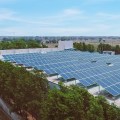
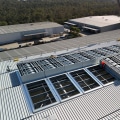
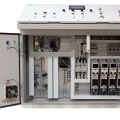
In the realm of modern industry, industrial panel installation plays a pivotal role in ensuring the efficient operation of electrical systems. These panels serve as the central hub for managing power distribution, control systems, and safety mechanisms across various sectors, including manufacturing, construction, and energy. Understanding what industrial panel installation entails is crucial for professionals in these fields, as it encompasses not only the technical aspects of assembly and wiring but also the adherence to stringent safety standards. The significance of safety in industrial panel installation cannot be overstated. With high voltages and complex circuitry involved, the potential hazards are numerous, ranging from electrical shocks to fire risks.
Therefore, implementing comprehensive safety precautions is essential to protect both workers and equipment. This includes proper training for personnel, use of personal protective equipment (PPE), and adherence to local and national electrical codes. Moreover, a well-executed installation not only enhances operational efficiency but also minimizes downtime and maintenance costs. By prioritizing safety during the installation process, companies can foster a culture of responsibility and care that extends beyond the installation phase. As we delve deeper into this topic, we will explore specific safety measures that should be taken during industrial panel installation, ensuring that both the integrity of the system and the well-being of workers are maintained.
Pre-Installation Safety Measures
Before commencing industrial panel installation, it is crucial to implement a series of pre-installation safety measures to ensure a safe working environment.These measures not only protect the workers but also safeguard the equipment and the integrity of the installation process.
Site Assessment
- Conduct a thorough site assessment to identify potential hazards such as overhead power lines, uneven ground, or nearby traffic.
- Ensure that the installation area is free from debris and obstacles that could pose risks during the installation.
- Evaluate environmental conditions, including weather forecasts, to avoid working in adverse conditions that could compromise safety.
Equipment Checks
- Inspect all tools and equipment for functionality and safety compliance. This includes checking for any signs of wear or damage.
- Ensure that all electrical tools are properly grounded and that extension cords are in good condition to prevent electrical hazards.
- Verify that personal protective equipment (PPE) such as helmets, gloves, goggles, and steel-toed boots are available and in good condition for all workers involved in the installation.
Safety Checklist
- Create a detailed safety checklist that includes all necessary precautions and equipment checks before starting the installation.
- Review the checklist with all team members to ensure everyone understands their roles and responsibilities regarding safety.
- Establish clear communication protocols among team members to report any safety concerns immediately during the installation process.
Personal Protective Equipment (PPE)
When it comes to industrial panel installation, ensuring the safety of workers is paramount. One of the most effective ways to protect personnel is through the use of appropriate personal protective equipment (PPE). This section outlines the essential PPE requirements that should be adhered to during the installation process.- Hard Hats: To protect against head injuries from falling objects, all workers should wear hard hats that meet the safety standards set by OSHA.
- Safety Glasses: Eye protection is crucial, especially when cutting or drilling into panels.
Safety glasses or goggles should be worn to prevent debris from causing eye injuries.
- Gloves: Depending on the materials being handled, appropriate gloves should be used. Cut-resistant gloves are recommended when working with sharp edges, while insulated gloves are necessary when dealing with electrical components.
- Steel-Toed Boots: To protect feet from heavy equipment and falling objects, steel-toed boots are essential. These boots should also have slip-resistant soles to prevent falls on slippery surfaces.
- High-Visibility Clothing: Workers should wear high-visibility vests or clothing, especially in environments where they are near moving vehicles or machinery. This ensures they are easily seen by others on site.
- Hearing Protection: In areas with high noise levels, such as those involving heavy machinery, earplugs or earmuffs should be used to prevent hearing loss.
Workers should be encouraged to inspect their equipment before each use and report any damage immediately. By prioritizing the use of PPE, companies can significantly reduce the risk of accidents and injuries during industrial panel installation.
Electrical Safety Precautions
When it comes to industrial panel installation, ensuring electrical safety is paramount. The installation process involves working with high-voltage systems, which can pose significant risks if proper precautions are not taken. Here are some essential safety measures to consider:- De-energize Equipment: Before beginning any installation work, ensure that all electrical equipment is de-energized.
This includes turning off circuit breakers and using lockout/tagout (LOTO) procedures to prevent accidental re-energization.
- Use Personal Protective Equipment (PPE): Always wear appropriate PPE, such as insulated gloves, safety glasses, and flame-resistant clothing. This gear protects against electrical shocks and potential arc flashes.
- Verify Voltage Levels: Use a multimeter or voltage tester to confirm that the panel and surrounding equipment are not live. This step is crucial in preventing electrical hazards during installation.
- Maintain a Safe Work Environment: Ensure that the workspace is dry and free from clutter. Wet or damp conditions can increase the risk of electrical shock, while a disorganized area can lead to accidents.
- Follow Manufacturer Guidelines: Adhere strictly to the manufacturer’s instructions for installation.
These guidelines often include specific safety measures tailored to the equipment being installed.
- Conduct Regular Safety Training: Ensure that all personnel involved in the installation process are trained in electrical safety protocols. Regular training sessions can help reinforce safe practices and keep everyone informed about potential hazards.
Working at Heights: Safety Protocols
When it comes to industrial panel installation, working at heights presents unique challenges and risks that must be addressed through stringent safety protocols. Ensuring the safety of workers during these installations is paramount, as falls are one of the leading causes of injuries in the construction industry.Fall Protection Measures
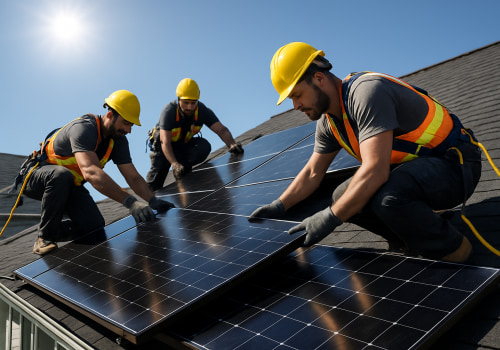
- Personal Protective Equipment (PPE): Workers should always wear appropriate PPE, including hard hats, safety harnesses, and non-slip footwear.
A full-body harness is essential when working at heights above six feet.
- Guardrails and Safety Nets: Installing guardrails around elevated work areas can provide a physical barrier against falls. Additionally, safety nets can be used to catch workers in case of a fall.
- Scaffolding and Ladders: Ensure that all scaffolding is erected according to manufacturer specifications and local regulations. Ladders should be inspected for stability and integrity before use.
- Training and Awareness: All personnel involved in industrial panel installation should undergo training on fall hazards and the proper use of fall protection equipment. Regular safety meetings can reinforce these protocols.
Emergency Preparedness
- Rescue Plans: Develop and communicate a rescue plan for workers who may fall while working at heights.
This plan should include immediate response procedures and designated rescue personnel.
- First Aid Training: Ensure that team members are trained in first aid and CPR, particularly those working at heights, to respond effectively in case of an emergency.
Handling Heavy Equipment and Materials Safely
When it comes to industrial panel installation, the safe handling of heavy equipment and materials is paramount to ensure the well-being of all personnel involved. The following guidelines can help minimize risks and promote a safer working environment.- Conduct a Risk Assessment: Before beginning any installation, perform a thorough risk assessment to identify potential hazards associated with heavy equipment and materials. This includes evaluating the workspace, equipment condition, and the experience level of the personnel involved.
- Use Proper Lifting Techniques: When lifting heavy materials, always use your legs instead of your back.
Keep the load close to your body and avoid twisting while lifting. If a load is too heavy, use mechanical aids such as forklifts or hoists.
- Wear Appropriate Personal Protective Equipment (PPE): Ensure that all workers are equipped with the necessary PPE, including hard hats, steel-toed boots, gloves, and eye protection. This gear is essential for protecting against potential injuries during the handling of heavy materials.
- Implement Team Lifting: For particularly heavy or awkwardly shaped items, always use team lifting techniques. Designate a leader to coordinate the lift and ensure that everyone is aware of their role in the process.
- Maintain Clear Communication: Establish clear communication protocols among team members when handling heavy equipment.
Use hand signals or two-way radios to ensure everyone is aware of movements and potential hazards.
- Regular Equipment Maintenance: Ensure that all lifting equipment is regularly inspected and maintained. Faulty equipment can lead to accidents, so it’s crucial to address any issues before they become serious problems.
Emergency Procedures and First Aid
During industrial panel installation, having well-defined emergency procedures is crucial to ensure the safety of all personnel involved. These procedures should be clearly communicated to every team member before commencing work.Here are some key components to consider:
- Emergency Contact Information: Ensure that all workers have access to emergency contact numbers, including local emergency services and on-site safety personnel.
- Evacuation Routes: Clearly mark and communicate evacuation routes in case of an emergency. Conduct regular drills to familiarize everyone with these routes.
- Incident Reporting: Establish a protocol for reporting accidents or near misses. This should include who to notify and how to document the incident.
Here are some important aspects of first aid preparedness:
- First Aid Kits: Ensure that fully stocked first aid kits are readily available at the installation site. These kits should be easily accessible and regularly checked for expired items.
- Trained Personnel: Designate individuals who are trained in first aid and CPR. It’s beneficial to have more than one person trained, especially in larger teams.
- First Aid Training: Regularly schedule first aid training sessions for all employees involved in the installation process. This not only equips them with necessary skills but also fosters a culture of safety.
This proactive approach not only protects workers but also enhances overall project efficiency and morale.
Training and Certification Requirements
Ensuring safety during industrial panel installation begins with proper training and certification of the personnel involved. Workers must be equipped with the necessary skills and knowledge to handle the complexities of electrical systems and adhere to safety protocols.Training for Industrial Panel Installation
- Electrical Safety Training: Installers should undergo comprehensive training that covers electrical safety standards, including lockout/tagout procedures, to prevent accidental energization of equipment.
- Hands-On Experience: Practical training sessions are essential. Workers should participate in supervised installations to gain real-world experience in handling tools and equipment safely.
- Understanding Codes and Standards: Familiarity with local, state, and national electrical codes is crucial. Training programs should include instruction on the National Electrical Code (NEC) and any relevant industry standards.
Certification Requirements for Installers
- Nationally Recognized Certifications: Installers should obtain certifications from recognized organizations such as the National Institute for Certification in Engineering Technologies (NICET) or the International Association of Electrical Inspectors (IAEI).
- Continuing Education: To maintain their certifications, installers must engage in ongoing education.
This ensures they stay updated on the latest technologies, safety practices, and regulatory changes.
- Specialized Training Programs: Depending on the specific type of industrial panel being installed, additional specialized training may be required. This could include training on programmable logic controllers (PLCs) or advanced power distribution systems.
Common Safety Violations and How to Avoid Them
During industrial panel installation, several common safety violations can jeopardize the well-being of workers and the integrity of the installation process. Recognizing these violations is crucial for maintaining a safe work environment.- Inadequate Personal Protective Equipment (PPE): One of the most frequent violations is the failure to wear appropriate PPE. Workers should always don hard hats, gloves, safety glasses, and steel-toed boots to protect against potential hazards.
- Improper Use of Tools: Using tools that are not suited for the task or are in poor condition can lead to accidents.
Regularly inspect tools and ensure they are used according to manufacturer guidelines.
- Lack of Lockout/Tagout Procedures: Failing to implement lockout/tagout procedures can result in accidental energization of equipment during installation. Always ensure that machinery is properly shut down and locked out before beginning work.
- Ignoring Electrical Safety Protocols: Electrical hazards are prevalent in panel installations. Workers must be trained to recognize these risks and follow proper electrical safety protocols, including maintaining a safe distance from live wires.
- Improper Lifting Techniques: Many injuries occur due to improper lifting techniques when handling heavy panels. Workers should be trained in safe lifting practices or use mechanical aids to prevent strain and injury.
- Conduct Regular Safety Training: Regular training sessions can keep safety protocols fresh in workers' minds and help them recognize potential hazards.
- Establish Clear Safety Protocols: Develop and communicate clear safety guidelines specific to industrial panel installation.
Ensure all workers understand their roles in maintaining safety.
- Perform Safety Audits: Regular audits can help identify areas where safety practices may be lacking. Use these audits to improve training and equipment usage.
- Encourage Reporting of Unsafe Conditions: Foster an environment where workers feel comfortable reporting unsafe conditions without fear of reprisal. This proactive approach can help address issues before they lead to accidents.
Conclusion: Prioritizing Safety in Industrial Panel Installation
In conclusion, prioritizing safety during industrial panel installation is not just a regulatory requirement but a fundamental aspect of ensuring the well-being of all personnel involved. Throughout this article, we have explored various safety precautions that must be adhered to in order to mitigate risks associated with electrical installations.To summarize, here are the key safety measures that should always be implemented:- Proper Training: Ensure that all personnel involved in the installation process are adequately trained and certified to handle electrical equipment.
- Personal Protective Equipment (PPE): Utilize appropriate PPE such as gloves, helmets, and eye protection to safeguard against potential hazards.
- Site Assessment: Conduct a thorough risk assessment of the installation site to identify and address any potential dangers before work begins.
- Lockout/Tagout Procedures: Implement lockout/tagout protocols to prevent accidental energization of equipment during installation.
- Use of Tools: Ensure that all tools and equipment are in good working condition and suitable for the specific tasks at hand.
- Emergency Preparedness: Establish clear emergency procedures and ensure that all team members are familiar with them in case of an incident.
Ultimately, fostering a culture of safety not only protects workers but also enhances operational efficiency and project success. Remember, safety is a shared responsibility that requires commitment from everyone involved in the installation process.